























Jalisco on edge after El Mencho’s fall: who is feeling the immediate impact and how recovery will unfold

The death of Nemesio Oseguera, known as El Mencho, has produced an immediate shock that lands first on residents, public servants and businesses in jalisco. Security forces suffered heavy losses, cities such as Puerto Vallarta burned into the headlines and schools and commerce face a staggered return to routine — a disrupted recovery that leaders say will begin this week but that leaves several local flashpoints unresolved.
Who bears the brunt now in Jalisco
Local and federal authorities have signaled a phased recovery: economic activity is set to restart fully on Tuesday and classes will resume in much of the state on Wednesday. The governor warned, however, that Puerto Vallarta remains a special case and that the decision to lift the highest alert depends on conditions at the next state security meeting. The government of Jalisco has said there are no current reports of road blockages statewide, but the human and commercial damage is concentrated where the violence was fiercest.
What happened during and after the operation (key facts)
An operation by security forces resulted in the death of Nemesio Oseguera, alias El Mencho, the head of the Cartel Jalisco Nueva Generación. Officials have said the United States participated in the operation only by providing information. The action prompted an immediate and violent reaction from criminal groups across multiple states.
Casualties, arrests, burned property and prison escapes
The operation and the ensuing violence left heavy losses on multiple sides: 25 agents of the Guardia Nacional died, alongside a worker from the Fiscalía de Jalisco, the custodio of Puerto Vallarta and a civilian woman. At least 30 presumed members of criminal groups were also killed and about 70 people were detained during unrest that spread beyond Jalisco. In Puerto Vallarta alone authorities documented roughly 200 vehicles burned and dozens of businesses set on fire. In the wake of the operation 23 inmates escaped from the prison of Ixtapa, north of Puerto Vallarta.
National response, investigations and public messaging
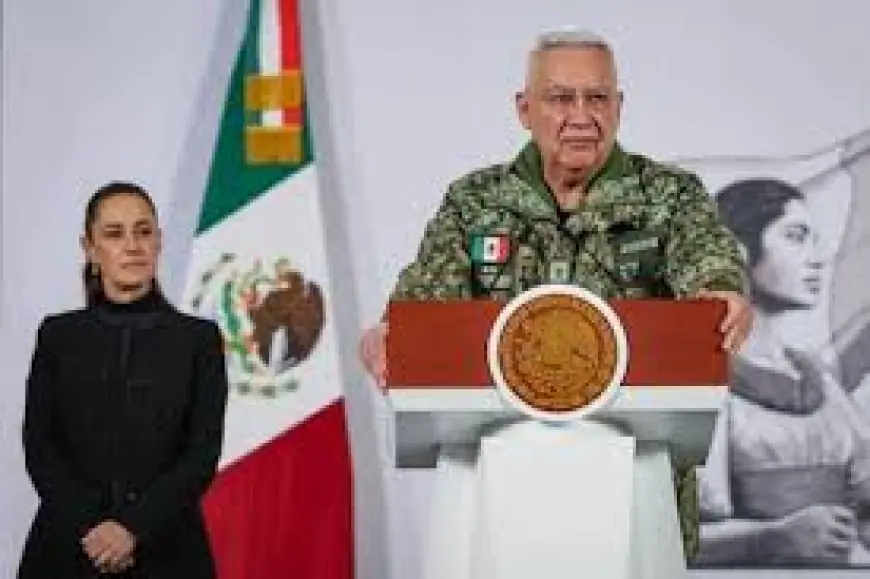
The Attorney General opened 57 investigation files covering violence in 14 states. National leaders have pushed a message of calm and said roads affected by blockages have been cleared. Officials described the broader significance of the operation as a turning point in strategy toward organized crime, framing the outcome as a break with a non-confrontational approach that had been in practice. A military official summarized the confrontation with organized criminal groups as intensely violent and provided details about how the target was located.
Operational details revealed
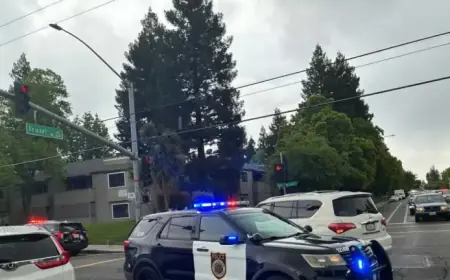
Officials have outlined that El Mencho had been hiding in cabins in the Sierra of Jalisco with about a dozen escorts; a visit by one of his partners helped security forces track him down, and special forces carried out the operation that led to his death. Photographs of violent incidents circulated after the action, showing the localized intensity of the backlash and the visible damage in affected areas.
- Economic activity: scheduled to restart fully on Tuesday in much of the state.
- Education: in-person classes planned to resume Wednesday in parts of the state; some areas already announced a Tuesday restart.
- Security toll: 25 Guardia Nacional agents killed; additional deaths include a fiscal worker, a custodio and a civilian woman; at least 30 presumed criminals killed and ~70 detained.
- Property damage: roughly 200 cars burned in Puerto Vallarta and dozens of commercial fires across several states.
- Legal follow-up: 57 investigation files opened spanning 14 states; 23 inmates escaped from Ixtapa prison after the operation.
Here's the part that matters for residents and local businesses: officials are pushing a quick return to daily life, but several indicators — burned infrastructure, escaped inmates and concentrated damage in Puerto Vallarta — mean recovery will be uneven and conditional on security developments.
It's easy to overlook, but the sheer number of investigation files opened across 14 states and the confirmed escape of 23 inmates point to a wide geographic ripple effect rather than an isolated incident; resolving those threads will determine how stable the recovery becomes.
The real question now is how authorities will translate the declared restoration of normality into sustained security on the ground, especially in tourism-dependent pockets and neighborhoods that suffered the worst violence. Recent statements and the restart calendar give a near-term roadmap, but many of the operational details and long-term consequences remain unclear in the provided context.