






















Paypal Stock: Market Shock and a Short-Term Rally After Takeover Chatter Sends Shares Higher

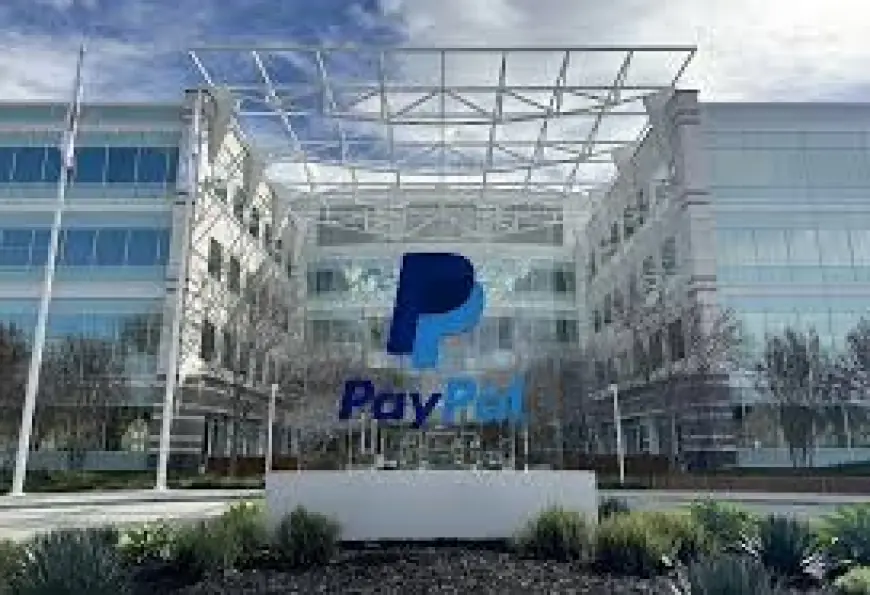
Why this matters now: After a steep decline in value and a painful earnings quarter, paypal stock moved sharply on Monday when takeover chatter surfaced, creating a sudden re-rating opportunity for investors and potential buyers. The swings — from an intraday high to a smaller, later gain — highlight how buyout stories can spark outsized moves even while the broader financial sector tumbled.
Market momentum and the outlier rally
One account put the midday climb at 6. 1% in Monday trading, while another noted a peak up to 9. 7% before the gain settled to 6. 2% as of 2: 00 p. m. EDT. Much of the financial sector was plunging the same day, which made PayPal’s advance stand out and fed speculation that takeover chatter was driving aggressive buying in an otherwise weak tape.
Paypal Stock: the price action and intraday math
- Midday climb cited at 6. 1% in one update.
- Intraday high recorded at as much as 9. 7% in another account, retreating to a 6. 2% gain by 2: 00 p. m. EDT.
- Ticker noted in coverage: PYPL / NASDAQ: PYPL.
What sparked the lift: takeover chatter and who might move
A report said takeover interest has surfaced: one large competitor is considering buying the company outright, while other parties may be eyeing specific parts. That chatter appears to have triggered the intraday volatility and the differing percentage tallies in coverage. PayPal’s portfolio contains several identifiable assets that could be attractive to suitors, including an original branded one-click checkout for e-commerce transactions, the Venmo peer-to-peer payments platform, PayPal Credit lending, and the Braintree merchant-acquiring and payment-processing business.
Recent financial pain and leadership change
PayPal’s tumble followed a Q4 earnings report characterized in coverage as disastrous: the company missed both revenue and adjusted earnings expectations, and it provided weaker-than-expected guidance. That update also included the announcement that former CEO Alex Chriss would step down after two-and-a-half years, with comments that his turnaround plan failed to gain traction. The stock is down 86. 5% from its all-time high and another 28. 7% so far this year; it currently trades at about 8. 2 times earnings. While guidance included a slight decline in earnings per share for 2026, coverage noted this outcome is far from a total implosion.
Implications for investors and asset strategy
Here’s the part that matters: takeover interest can change the calculus quickly — investors may receive a reprieve through a sale of the entire business or by divestitures of specific assets. At the same time, commentary in the coverage warned that hopes for a standalone turnaround without a sale appear distant and unlikely to materialize anytime soon, if at all.
What’s easy to miss is how fragmented value can be: with distinct subsidiaries that could be sold separately, different bidders may value pieces far differently than a buyer of the whole company.
Promotional context and disclosure notes tied to coverage
One financial-advice write-up that analyzed the rally included a promotional pitch for a 10-stock recommendation list and used historical examples: Netflix appearing on a recommendation list on December 17, 2004, and Nvidia appearing on April 15, 2005, to illustrate outsized long-term returns. That material noted cumulative returns for the service as of February 23, 2026. The same write-up included disclosure language stating that an analyst (Billy Duberstein) and/or his clients had no position in the mentioned stocks; the publisher holds positions in and recommends PayPal and recommends specific options trades (long January 2027 $42. 50 calls on PayPal and short March 2026 $65 calls on PayPal), and it maintains a disclosure policy.
Odd access note: some coverage was gated
Attempts to view certain market coverage were interrupted by a site robot check asking visitors to click a box to confirm they are not a robot. The prompt advised ensuring the browser supports JavaScript and cookies and is not blocking them. It suggested reviewing the site’s Terms of Service and Cookie Policy for more information and, if needed, contacting a support team and providing the reference ID shown on the page. The site also promoted a subscription for global markets news. We're unable to load stories at the moment.
The real question now is whether takeover interest evolves into formal bids or structured asset sales; until that happens, price action is likely to remain sensitive to headlines and to how buyers value standalone pieces versus the whole.
Micro timeline (from coverage):
- December 17, 2004 — Netflix cited as an example on a recommendation list.
- April 15, 2005 — Nvidia cited as an example on a recommendation list.
- February 23, 2026 — date given for the promotional list’s cumulative return figure.
Interactive prompt: If you’re wondering why this keeps coming up, remember that a large price drop plus a patchwork of saleable subsidiaries is exactly the kind of setup that draws suitors — and fast-moving markets reward headlines. The real test will be whether formal bids or concrete asset-sale plans appear.