

















Supreme Court Ruling Puts $175 Billion in IEEPA Tariffs Into Legal Limbo as Administration Moves to Preserve Revenue

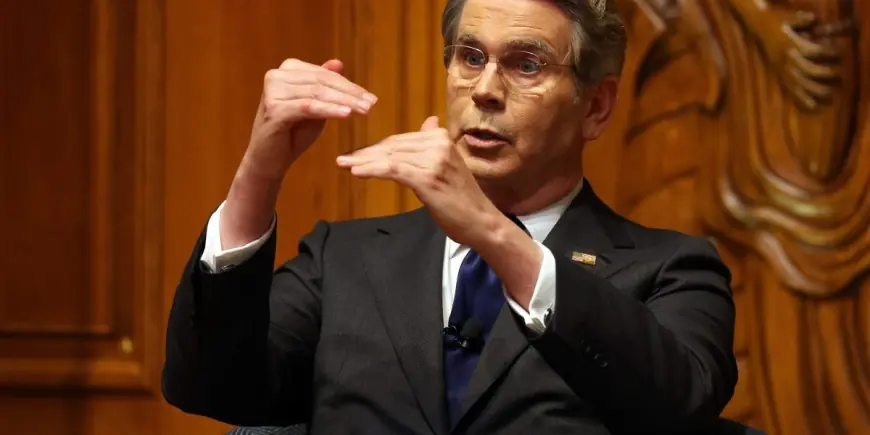
The supreme Court’s recent decision that President Trump could not use the International Emergency Economic Powers Act (IEEPA) to levy duties on trading partners has put roughly $175 billion in tariff collections at risk and sparked a rapid series of administration updates. Treasury Secretary Scott Bessent and trade officials have outlined how the dispute could play out and what tools remain to generate tariff revenue, but officials warn refunds and litigation could keep money out of consumer hands for an extended period.
Supreme Court ruling and immediate fallout
The court ruled on Friday that the Oval Office’s use of IEEPA to introduce sweeping global tariffs was unlawful. That decision prompted a weekend of updates from the White House as the administration scrambled to find new legal footing to continue collecting import duties. The ruling does not yet settle how funds already collected under IEEPA must be handled; that question is expected to move into international trade courts.
IEEPA tariffs timeline and scope
IEEPA-based tariffs were first imposed on China in February 2025. A month later those duties were extended to Canada and Mexico. Additional measures labeled the April "Liberation Day" tariffs also fell under IEEPA authority. The timing and breadth of those moves are central to the current dispute over whether collections must be refunded.
Money in limbo: $175 billion and the refund calculation
Estimates of potential refunds have clustered near $175 billion. The Penn Wharton Budget Model at the University of Pennsylvania projects up to $175 billion in potential refunds, reflecting cumulative IEEPA collections of roughly $164. 7 billion by January 2026, with collections running at about $500 million per day. Precisely how much the American people are missing out on remains unsettled because IEEPA funds will need to be separated from customs duties and levies already in place under previous and new trading agreements.
Treasury response and legal trajectory
Treasury Secretary Scott Bessent spoke at the Economic Club of Dallas after the ruling, saying the Supreme Court had not ruled on how IEEPA-generated funds should be handled and that the decision on handling those funds would be pushed to international trade courts. He warned the process "could be dragged out for weeks, months, years, " and added, "I got a feeling the American people won’t see it. " Bessent also noted that using alternative authorities such as Section 232 or Section 301 provides the administration with ways to continue generating tariff revenue.
Political responses and administration posture
In a Sunday interview, U. S. Trade Representative Jamieson Greer was asked whether the administration would fight efforts to seek compensation or pay refunds; Greer said, "So it's a matter for the courts, " and added, "They created the situation, and we'll follow whatever they say to do. " The exchange reinforces that immediate resolution of refunds rests with judicial and trade adjudicative processes rather than unilateral executive action.
Business impact and fiscal implications
Optimists have suggested refunds could act as a stimulus by sending cash to U. S. importers, who might pass savings on to consumers. Few households, however, were expecting rebate checks, and Treasury officials are skeptical the cash will reach consumers quickly—if ever. UBS chief economist Paul Donovan told clients this morning that hopes for businesses to pass rebates through to customers may be naive, arguing tariff rebates will increase the U. S. fiscal deficit and act as fiscal stimulus but will be paid to U. S. importers. With new tariffs still coming in, Donovan said it seems unlikely firms will rush to lower prices for customers.
What’s next: February 23, 2026 updates and the policy landscape
On February 23, 2026, administration updates highlighted ongoing steps to preserve tariff revenue, including measures described in an announcement that a 10% levy takes effect as the administration rebuilds a tariff wall. Meanwhile, the legal question over IEEPA-collected funds is set to move through trade courts and could take a prolonged period to resolve. Recent developments indicate the dispute will evolve in litigation; details may change as those proceedings advance.