

























New Jersey Travel Restrictions Leave Residents Stranded as Blizzard Dumps Two Feet — Immediate Impact and What Communities Face

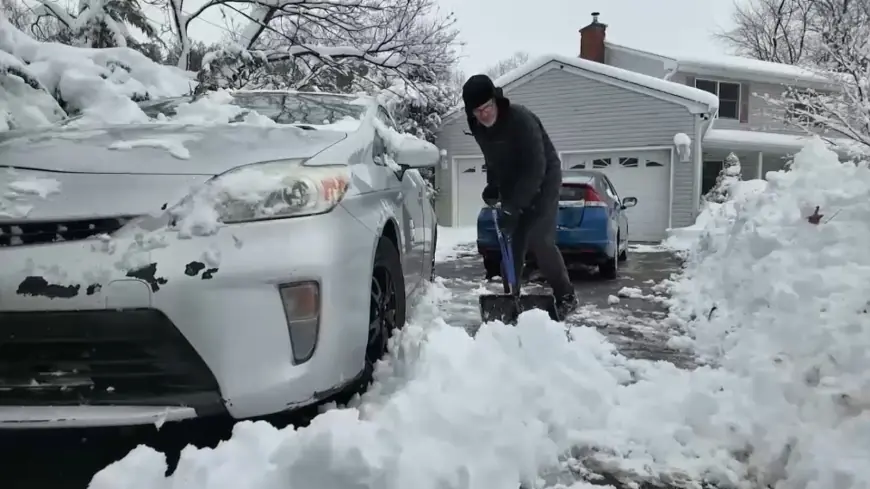
The statewide travel curbs labeled new jersey travel restrictions matter because they were the first to cover all 21 counties in three decades and directly affect dozens of communities now dealing with heavy snow, power outages and stranded households. Emergency operations are on heightened alert, utility crews and mutual‑aid teams have been mobilized, and local roads remain unpredictable even after a mandatory ban was lifted.
Who is feeling the impact first and how that translates on the ground
Communities in Central and South Jersey felt the brunt: pockets of towns report more than two feet of snow, with Freehold singled out for 26 inches. Monmouth County — including Freehold, Middletown and Colts Neck — was among the hardest hit, and residents there describe being snowed‑in with damaged power lines and no heat.
Governor Mikie Sherrill urged all New Jersey residents to stay off the roads and prepare for potentially life‑threatening conditions. Emergency staffing and resources were prioritized to lifesaving tasks: the State Emergency Operations Center shifted to Level 2 activation and is being staffed around the clock, and search-and-rescue teams with high‑wheeled vehicles and snowmobiles are on standby.
What’s easy to miss is how the combination of heavy snow and downed trees translated into both a travel freeze and an infrastructure scramble: crews are clearing major roads even as side streets remain treacherous, leaving many households without power for extended periods.
New Jersey Travel Restrictions: scope, timing and the message for motorists
The mandatory travel restriction began at 9 p. m. on Sunday and was lifted at noon on Monday, an announcement that came from the state emergency office. While the travel ban ended, officials urged drivers to avoid unnecessary travel because some roadways are still snow‑covered and visibility remains limited in places; the Garden State Parkway was reported passable but extremely slick, and many county roads had been cleared to the blacktop while side streets presented a different, more hazardous picture.
Operational response and human stories — where resources went
- Utility crews, contractors and mutual aid partners were deployed across the state; teams came from as far away as Ohio to assist with restorations.
- Numerous residents reported power outages after trees fell on lines. One resident in Freehold said she was snowed‑in on Bennington Road with no heat or electricity after a tree snapped and took down a power line off of Colt's Neck Road; another local expressed hope crews would restore service by that night.
- The State Emergency Operations Center at Level 2 is staffed continuously while search-and-rescue teams stand by; the acting state police superintendent emphasized personal safety with the blunt phrase, "Roads can wait. Your life can't. "
Timeline snapshot
- 9 p. m. Sunday — mandatory travel restriction began.
- Noon Monday — mandatory travel restriction lifted by the state emergency office.
- Ongoing — crews and mutual aid teams deployed; rescue teams on standby and warming options offered to people without heat.
Here's the part that matters: even after the formal restriction ended, hazardous conditions persisted in places where side streets remained uncleared and outages continued, so the practical advice from authorities to avoid nonessential travel still applied.
Practical notes and short takeaways for affected people
- Residents urged to stay off roads unless travel is essential — the statewide restriction was brief but conditions did not normalize immediately.
- Households without power should expect crews to be prioritized for safety and widespread restorations; mutual aid from other states has been assigned to assist.
- Warming centers were identified through the state’s 211 service for residents who need shelter while outages persist.
- Major arteries may be passable but slick; side streets can remain hazardous even after county plows reach the blacktop.
Headlines during the storm noted a state of emergency and even mentioned a possible bomb cyclone; others highlighted that New Jersey hadn’t seen a blizzard like this in years and that dramatic images showed the scope of the storm. Those descriptors underline why officials took the unusual step of restricting travel statewide for the first time covering all 21 counties in three decades.
Separately, one news site posted a notice asking readers to update outdated browsers, explaining the site uses newer technology for speed and functionality and that older browsers are not supported — a small but notable reminder about digital access during emergencies when people seek updates online.
The real test will be how quickly power and side streets are restored and whether mutual‑aid crews can keep pace with outages and stranded households. If you’re wondering why this keeps coming up: the confluence of deep snow, fallen trees and wide county coverage made this storm both a civic‑services challenge and a personal‑safety issue for many families.