


















Edwin Van Der Sar health update: symptoms he suffered, recovery and why his break matters to ex-players

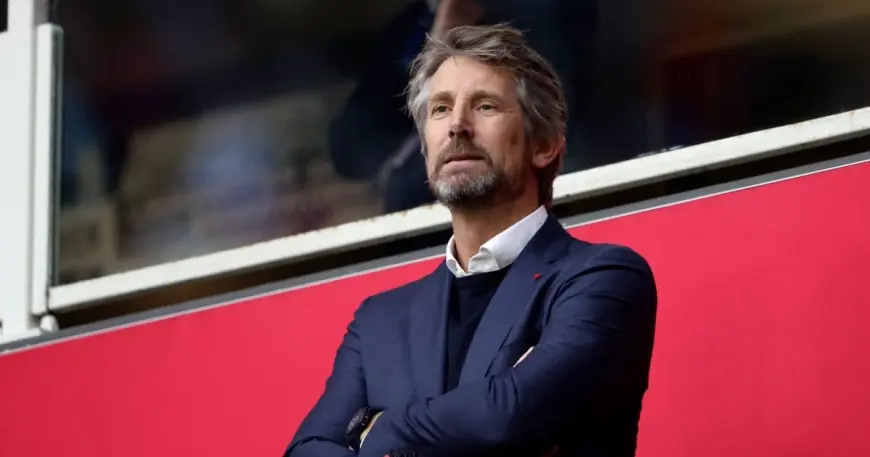
Why this matters now: For former professionals and club executives watching how high-pressure careers intersect with health, edwin van der sar’s account offers a concrete example of how stepping back from duties can affect recovery and everyday life. His description of symptoms, treatment in intensive care and a long, low-pressure convalescence reframes conversations about workload, rehabilitation and the choices senior figures make after elite sport.
Edwin Van Der Sar — what his recovery signals for former players and club staff
Here’s the part that matters for people in demanding sporting roles: van der sar highlights that removing immediate responsibilities—no phone calls, no emails, no decision-making—was part of the recovery that got him to his current condition. If you work in a club environment or manage ex-players, his case underscores how planned downtime and tailored rehabilitation can change outcomes for those coming out of high-stress positions.
It’s easy to overlook, but the combination of medical treatment and a purposeful break from work is presented as central to his progress.
What happened in July 2023 and the symptoms he described
edwin van der sar reported that the health scare occurred while on holiday in July 2023 during a sailing trip in Croatia. On the last day, staying in a hotel, he got up to use the toilet, felt dizzy and noticed his neck. He returned to the room, said he wanted the curtains closed and sat on the bed feeling unwell. His wife, Annemarie, called a doctor; he was told he had a brain haemorrhage.
The context states he was treated in intensive care and underwent a period in hospital before recovering and entering rehabilitation. The timelines for that hospital stay differ in the provided details: one account states he spent two weeks in hospital, another states he was in intensive care for three weeks—this timing is unclear in the provided context. He describes a recovery process involving rehabilitation and access to medical support and programmes fitted to him.
Career and personal background that frame the episode
Van der Sar is described as a Manchester United legend and former goalkeeper. He first signed for United in 2005 from Fulham, went on to make more than 250 appearances for the club and won four Premier League titles plus a Champions League. He retired from professional football in 2011, months before turning 41, and later took a director role at Ajax.
The context notes that the haemorrhage happened the same year he left his role at Ajax. There are two timing notes in the material: one line says he had resigned five weeks before the health scare; another describes the haemorrhage as occurring a couple of months after he resigned. That discrepancy is unclear in the provided context, but both timing details are part of the record given here.
How his lifestyle and choices since leaving Ajax are described
Van der Sar says stepping away from his Ajax director role made a difference. He explained he had wanted a rest, to take a year out from football, visit other clubs and learn. He has not adopted a markedly different outlook on life but has enjoyed simple freedoms: waking when he wants, walking the dog, swimming in the sea and going on holiday. One detail provided is that he spent two months in New Zealand with his wife Annemarie.
He has also said, in the context, “I’m OK now. I had it three years ago, ” indicating how he frames the episode in relation to his present state.
- Made more than 250 appearances for Manchester United after joining from Fulham in 2005.
- Retired from playing in 2011, shortly before his 41st birthday, then moved into an Ajax director role.
- Suffered a brain haemorrhage while on holiday in July 2023 during a sailing trip in Croatia; experienced dizziness and neck symptoms in a hotel on the final day.
- Treated in intensive care and hospitalised before rehabilitation; the context lists both two-week and three-week hospital/ICU durations (timing unclear in the provided context).
Key takeaways for stakeholders and signals that could matter going forward:
- Planned breaks from operational responsibilities are presented as helpful to recovery for senior ex-players and directors.
- Immediate symptoms can be subtle—dizziness and neck discomfort preceded the diagnosis in this account.
- Rehabilitation combined with reduced decision-making pressure is emphasised as part of his convalescence.
- One forward signal: any return to heavy club duties would likely be noticed by observers tracking his health and schedule, though the provided context does not state plans for that.
The real question now is how sporting organisations and former professionals translate examples like this into support structures for post-playing careers and high-level club roles.