























Guadalajara Crisis: Families, 40 Nayarit Children and About 1,000 Stranded After Violent Roadblocks

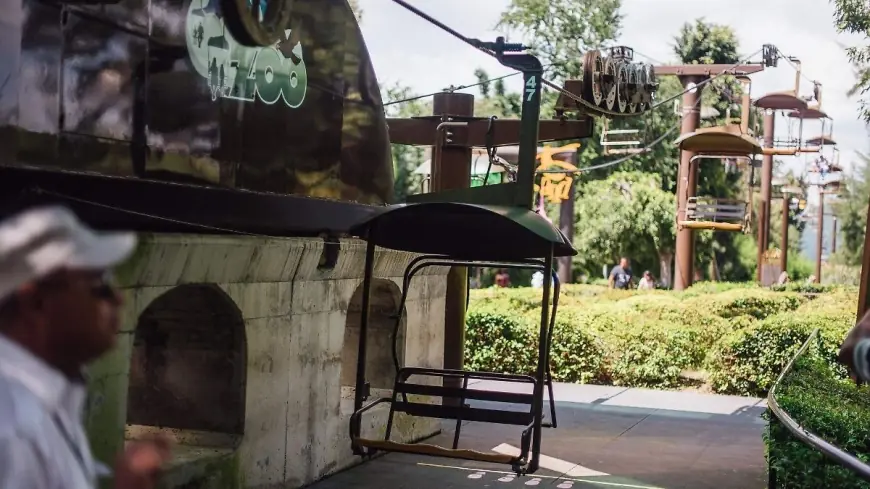
The immediate impact is local and human: families, school groups and children are the first to feel disruption as violent roadblocks forced travelers to seek refuge at the city zoo. In guadalajara parents and teenagers spent the night in the parking lot while dozens of children from Nayarit remain inside the zoo with their families; transfers are planned only when officials judge routes safe.
Immediate human toll in Guadalajara: who is here and why it matters
Here’s the part that matters: about 1, 000 people from Aguascalientes, Guanajuato, Michoacán and Zacatecas spent the night in the zoo parking after being stranded by violent blockades across the state. Separately, 40 niños nayaritas with their parents — they come from the community of San Luis de Lozada — are sheltered inside the zoo. Children, adolescents and adults are facing stress from the episode of violence; officials noted that minors can be especially vulnerable to anxiety in these circumstances.
On-the-ground picture and why travelers stayed
The disruption followed a federal operation that generated a spiral of violence and a day of high violence on Sunday in Jalisco and neighboring states; that operation resulted in the death of Nemesio Oseguera Cervantes, alias El Mencho, leader of the CJNG. Violent roadblocks left circulation halted in multiple points, so groups already in the city — particularly out-of-town excursions — chose to remain at the zoo when the park announced closure earlier in the afternoon. The park closed at 17: 00 hours; visitors were told the facility would close and only security personnel remained on site.
Shelter, services and humanitarian aid at the zoo
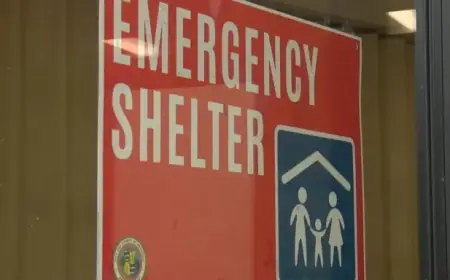
In guadalajara the temporary arrangements included drinks and food inside the facility because city stores were closed. The regional humanitarian system provided blankets, potable water and diapers, and the zoo's bathrooms were made available overnight. Authorities maintained continuous vigilance at the site to protect families while traffic on affected roads is restored.
Damage, mobility obstacles and official decisions
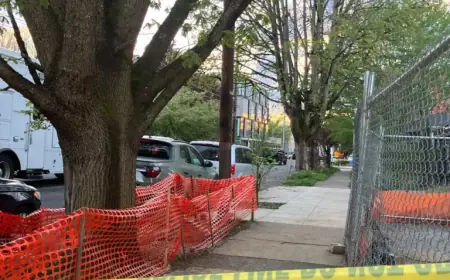
Road damage and deliberate obstructions were reported along routes: 58 burned vehicles were located, and a trench plus fallen trees are obstructing passage in some stretches. a decision to use the zoo as a temporary concentration point was taken at the State Security Table after analyzing the situation that still persists following the federal operation in Tapalpa. Several operational activities requiring in-person work will be suspended on Tuesday; mass events are suspended until further notice, and authorities will evaluate whether in-person classes will occur that day. One official indicated activities would return to normal on Tuesday. Castañeda warned that peace will not come solely from dismantling a single criminal organization. A line in the available information about a woman asking someone she trusts to transport her to Tapalpa to reunite with him is unclear in the provided context.
- About 1, 000 people from four states sheltered in the zoo parking after violent blockades halted travel.
- Forty children from San Luis de Lozada, Nayarit, remain inside the zoo with their parents; they are reported healthy and grateful for shelter.
- Humanitarian support included blankets, water and diapers; restroom facilities were opened for overnight use.
- Authorities located 58 burned vehicles and other obstructions; decisions about transfers and escorts are tied to safety assessments.
Next steps, escorts and remaining questions
Officials communicated plans for transfers only after routes are judged safe: the children and their families will be moved when authorities consider it secure. The deputy Adhán Casas communicated with the head of the Secretaría de Seguridad y Protección Ciudadana, Manasés Verdín, who committed to escort the children's vehicles as soon as they enter state territory; contacts will also be made with Jalisco authorities to request protection. Vigilance is to continue while authorities work to normalize road circulation; priority remains the safety and integrity of niñas, niños and adults on site.
What’s easy to miss is how the mix of travelers — local workers who rely on their vehicles for work, out-of-town excursions and families with minors — creates overlapping needs for shelter, logistical support and psychological care even after visible dangers subside. The real test will be whether escorts and road clearance proceed quickly enough to reunite people with destinations without exposing them to further risk.