






















Jalisco Mexico: How Nemesio Oseguera Cervantes built a mobile survival network across jalisco mexico

This profile of Nemesio Oseguera Cervantes, known as “El Mencho, ” examines the systems that let him evade capture for years in jalisco mexico and why those methods have drawn fresh attention amid linked coverage headlined "Muere ‘El Mencho’, líder del CJNG, en operativo militar" and a separate item on "Narcobloqueos y violencia en Jalisco y otros estados tras la muerte del ‘Mencho'".
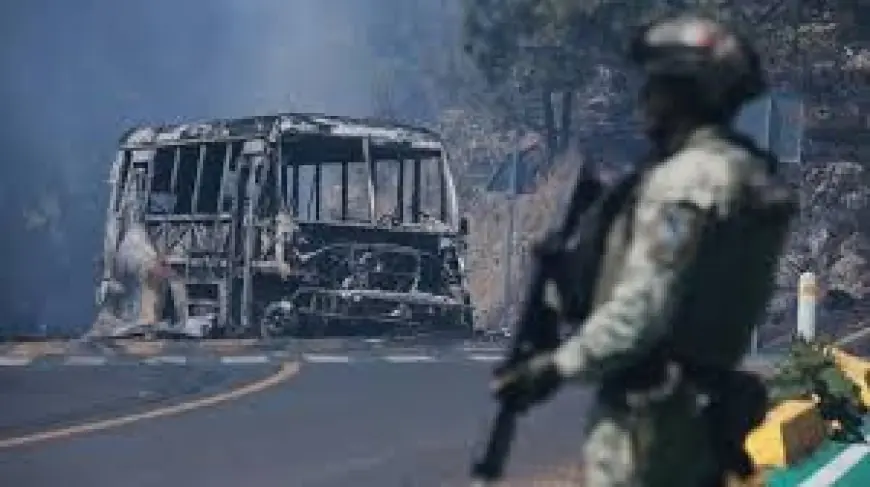
Built on mobility, strategic refuges and information networks
For more than a decade, Nemesio Oseguera Cervantes constructed more than a powerful cartel: he established a criminal survival system based on constant mobility, strategic refuges and information networks that repeatedly allowed him to evade authorities. Internal material summarized the approach bluntly: "La constante no fue la suerte, sino la anticipación. " In security circles he was described as a capo a salto de mata, forced to change location permanently but nearly always a step ahead of operations.
Located repeatedly by federal forces yet able to slip away
Security and military personnel agreed that federal forces located the leader of the Cártel Jalisco Nueva Generación on more than 20 occasions, and in each of those episodes he managed to escape. That pattern of detection followed by evasion underpinned assessments of his operational resilience and the capacity of his networks to respond to incursions.
Early warnings and compromised military communications
Internal reports pointed to early-warning alerts supplied by support networks infiltrated into local corporations and governmental structures. Those same reports said Oseguera even penetrated communications used by military and federal authorities, targeting their frequency radios in particular. The combination of informants inside institutions and compromised radio traffic helped explain how he could anticipate operations and relocate before encirclements closed.
Refuge map centered in Jalisco Mexico: Villa Purificación, Los Altos, Zapopan and Ajijic
His map of refuges concentrated mainly in Jalisco. Villa Purificación was long one of his best-known bastions: a mountainous zone with limited access, a historical CJNG presence and communities where the group had woven territorial control. In 2015 a failed federal operation in that area ended with the downing of a military helicopter, an episode that reinforced the perception that Oseguera had the capacity to respond immediately to state incursions.
Another key corridor was Los Altos de Jalisco, where the group consolidated logistical and social presence. The dispersion of ranches, rural roads and community support networks eased his mobility; security material described movements by small convoys and frequent changes of route to avoid encirclements. He was also located in Zapopan, particularly in residential zones where the CJNG is said to have operated low‑profile safe houses. Investigators flagged Ajijic on the shore of Chapala as a site of interest as well, noting the capo's affinity for stables and fine horses and a general preference for ranch‑style refuges.
Urban and rural tactics to complicate field intelligence
Authorities noted that the combination of urban residential areas like Zapopan and deep sierra strongholds allowed Oseguera to alternate environments, complicating field intelligence. The mix of metropolitan safe houses and remote ranches — including stables and hobby‑level assets such as fine horses in places like Ajijic — formed a deliberate strategy to render detection and capture more difficult while preserving immediate response options across his network.
Readers should note the context of this profile: it appeared alongside linked items headlined "Muere ‘El Mencho’, líder del CJNG, en operativo militar" and "Narcobloqueos y violencia en Jalisco y otros estados tras la muerte del ‘Mencho', " which have focused on subsequent developments.