












Early-00s Brighton: Indie Music Scene Leaves Lasting Global Impact

The early 2000s witnessed a vibrant indie music scene in Brighton, England, that left a significant legacy on the global music landscape. During this period, numerous budding musicians gathered in various venues, transforming the city’s musical identity. Brighton’s charm and unique atmosphere nurtured a diverse array of sounds that set it apart from other music scenes in the UK.
Indie Music Explosion in Brighton
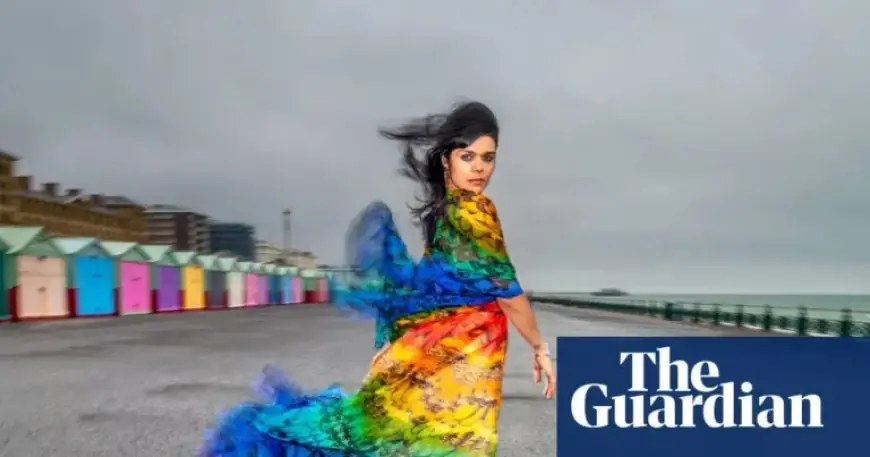
In 2002, the Free Butt pub became a cultural hub for aspiring musicians. This venue, known for its laid-back vibe, was a gathering place for artists like Natasha Khan, who later became known as Bat for Lashes. Other notable figures included Guy McKnight from Eighties Matchbox B-Line Disaster, Joe Mount of Metronomy, and Steve Ansell of Cat on Form. The nights there were electric, charged with the potential of emerging talent.
A Unique Musical Identity
Unlike other music scenes that revolved around a singular sound, Brighton’s indie bands in the early 2000s showcased a wide variety of styles. While New York City had The Strokes and London had the Libertines, Brighton provided a more eclectic blend. The bands often drew inspiration from the local environment, imbuing their music with a distinct character that resonated with listeners.
- Electrelane: Known for moody rock, they recorded their debut album, “Rock It to the Moon,” in a local studio.
- Sea Power: This band created memorable events through their Club Sea Power nights, leading to their signing with Rough Trade.
- The Pipettes: This girl group introduced a playful revival of 1960s pop, contributing to the rich tapestry of Brighton’s music scene.
A Supportive Community
Brighton stood out not just for its music but also for its inclusive community. Many influential promoters, like Lisa Lout and Anna Moulson, played crucial roles in highlighting emerging artists. Female representation was significant, exemplified through initiatives that featured female writers and musicians.
Rose Dougall of The Pipettes reflected on the collaborative spirit in Brighton. Bands regularly supported one another, fostering an atmosphere where creativity could flourish. This camaraderie was reinforced by shared venues and frequent encounters among artists.
The Legacy and Evolution
Although the indie music scene flourished in the early 2000s, changes in the city’s landscape have transformed its cultural fabric. Rising rents and the closure of iconic venues, like the Free Butt, diminished the environment that allowed musicians to thrive. As the affordable living and artistic resources dwindled, many artists began migrating to other coastal towns.
While Brighton’s music scene may have evolved, it still influences the next generation of artists. Contemporary acts like The Kooks and Dream Wife continue to emerge, drawing on the rich legacy of their predecessors.
Concluding Thoughts
Brighton’s indie music scene of the early 2000s created a template for artistic authenticity that resonates today. Its spirit lives on through the diversity of sounds and the collaboration among musicians. This vibrant enclave fostered a unique culture that celebrated differences, proving that true artistry can thrive in an environment that encourages individuality.