






















2026 Olympics Held In Which Country — Ilia Malinin’s Cathartic Gala Performance in Milan Shifts Focus to Athletes’ Stories

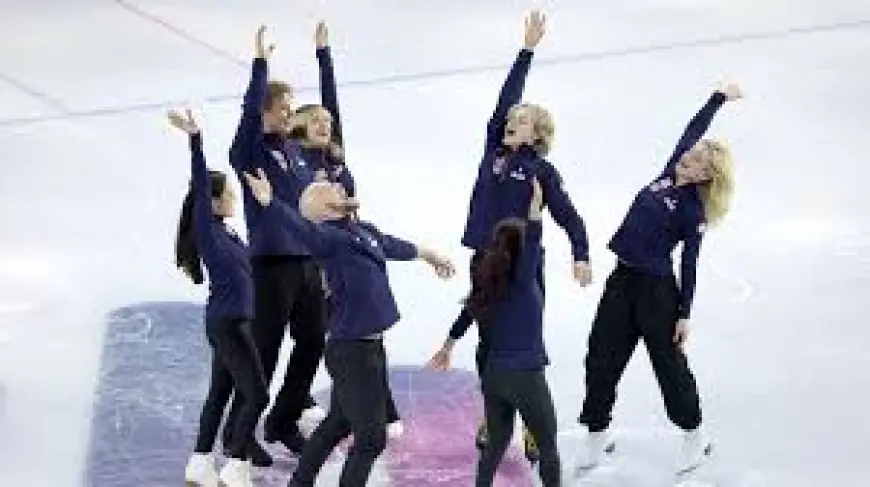
The question 2026 Olympics Held In Which Country appears in public discussion, but the most immediate coverage centers on the closing exhibition gala in Milan, where Ilia Malinin delivered a raw, theatrical routine that rewrote some of the emotional narrative from the competitive week. More than 40 skaters took the ice for a celebratory show that emphasized recovery, resilience and the human side of elite sport.
2026 Olympics Held In Which Country
While the recurring query 2026 Olympics Held In Which Country lingers, the gala in Milan offered a different kind of clarity: elite skaters using an exhibition setting to process triumph and disappointment. The event served as a capstone to the figure skating program, spotlighting performances that blended athleticism with personal storytelling rather than delivering results or scheduling updates.
Ilia Malinin’s cathartic Olympic gala routine
Ilia Malinin turned a difficult competition week into a deliberately expressive exhibition. The 21-year-old, who had helped his national team to gold but missed an individual podium after a difficult free skate, took to the ice in casual clothing — a grey hoodie and frayed jeans — and staged a performance that dramatized the pressure elite athletes face. He incorporated gestures that suggested scrolling through a phone, flinching at flashbulb-like cues, pulling his hood over his head and batting away jarring noises intended to represent public criticism. The routine included one quadruple jump and his trademark backflip finished on one foot, moves that reminded the crowd of his technical gifts even as the choreography emphasized psychological strain. The piece closed with him putting on headphones and the music cutting to immediate silence, a theatrical punctuation that conveyed a moment of private quiet after a turbulent competition week.
Gala highlights: comebacks, light-hearted moments and artistic statements
The exhibition assembled a wide range of tones and narratives. Alysa Liu, who had won both team and individual gold earlier in the Games and who had described a prior period of burnout that led her to step away from the sport, performed a joyful routine to a pop track by Zara Larsson and PinkPantheress. One of the new individual gold medalists in the men’s competition, Mikhail Shaidorov, opted for a playful entrance dressed as a recognizable animated character, delivering a light-hearted routine that contrasted with the more solemn pieces on the program.
Seasoned skaters also contributed thematic work. The opening act featured a former Olympic medalist who staged a duet with a three-dimensional projection designed to chart an athlete’s journey from first steps to the moment talent and practice coalesce. That conceptual opener set the tone for a program framed as a celebration of the sport’s arc rather than a recap of competitive standings. Another performer who had helped retain a team title for his country mounted a strong personal comeback in his exhibition routine, selecting a song whose lyrics and tone aligned with his own week of ups and downs.
What the gala reveals about the Games’ emotional aftermath
The Milan exhibition underlined how athletes use non-competitive moments to reframe their Olympic experiences. For some, the gala was an opportunity to celebrate reclaimed joy; for others, it was a controlled space to confront and process disappointment. The variety of routines — from joyful celebration to theatrical depictions of mental strain — suggested that the end of competition is often the start of a public reckoning with what the Games mean on a personal level for each skater.
Coverage of the gala concentrated on those human stories rather than on administrative questions like 2026 Olympics Held In Which Country; the event operated as a cultural capstone to the figure skating program and a reminder that, beyond medals, athletes carry complex narratives into and out of Olympic arenas. Recent updates indicate these personal storylines will remain the focal point as the sport moves from competition season into exhibition and off-ice reflection.