












Willie Colon, a Luminary of Salsa Music, Dies at 75; willie colon Remembered by Peers

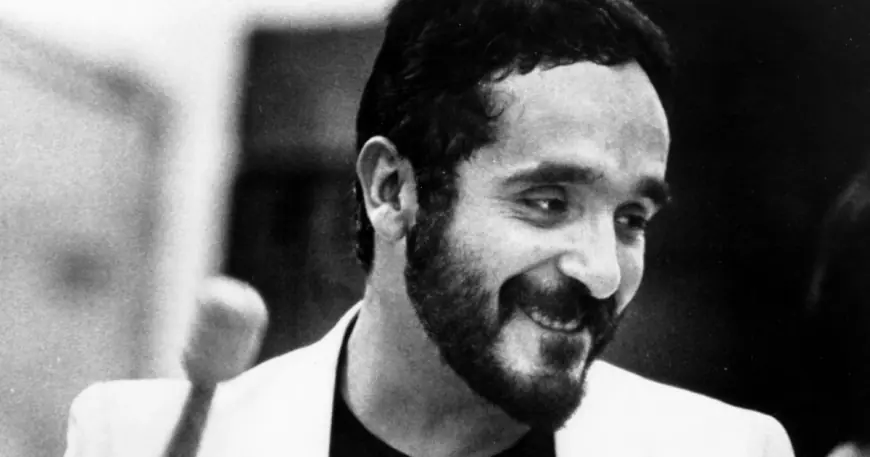
willie colon, the Puerto Rican-born musician who helped define the Nuyorican salsa movement, died Saturday at the age of 75, his family confirmed in a message posted on his social media accounts. The family wrote that "It is with profound sadness that we announce the passing of our beloved husband, father, and renowned musician, Willie Colón. He departed peacefully this morning, surrounded by his loving family. "
Death, family statement, cause
The family’s post was shared on Facebook and included a second line: "Although we mourn his absence, we also rejoice in the eternal gift of his music and the cherished memories it created, which will live on forever. " The Puerto Rican artistic community had been asking for prayers for the singer-songwriter on Friday, as he was receiving medical attention for reported respiratory complications. A cause of death has not been disclosed.
Bad Bunny's tribute in São Paulo
At his Debí Tirar Más Fotos world tour stop in São Paulo, Brazil, Bad Bunny paid tribute to the salsa legend. He said, "This music is very special. It’s the influence of all of us who grew up listening to salsa in the Caribbean. Today, one of the great legends who contributed to this beautiful genre passed away, " before moving into his song "NUEVAYoL, " which name-checks the salsa singer. He added, "From me and Los Sobrinos, we wish Willie Colón rests in peace, " and offered "Much strength to his family. "
Bad Bunny's references and performances
Bad Bunny had name-checked the veteran in the first verse of his LP Debí Tirar Más Fotos with the line, "Willie Colón, me dicen ‘еl malo, '" Benito raps, a direct reference to Colón’s 1967 debut album "El Malo. " The song "NUEVAYoL" is described as a homage to Nuyorican icons like Colón and samples Andy Montañez Rodrígue’s rendition of El Gran Combo de Puerto Rico’s "Un Verano en Nueva York" against a dembow beat. Bad Bunny had recently closed his halftime show at Super Bowl LX with flags from countries in the Americas behind him and had "conquered the Grammys stage on Sunday, " details noted in the coverage of his recent run of performances.
Mixed reactions and social media
Many fans had noted that Colón had expressed right-wing views later in life and that his social media presence across Instagram and X included criticism of Bad Bunny. Despite that tension, when "NUEVAYoL" was released Colón responded positively in a social media video: "When I heard it, I was really surprised. The push it gave to salsa and to Boricuas, it’s something we all needed, " Colón said. Tributes from peers also surfaced, with names such as Rubén Blades and Rauw Alejandro among those honoring the musician and the sentiment, "Maestro, Thank You for Your Legacy. "
Early life and musical training
William Anthony Colón Román was born on April 28, 1950, in the South Bronx of New York City. His grandmother Antonia ("Toña") instilled in him a Puerto Rican identity and taught him to speak Spanish, a language his parents had lost on the streets of New York at a time when bilingualism "wasn’t even a concept. " Formal musical education began with an elementary school flute he took home secretly. He discovered the bugle and began to master it as a hearing child at age 11, and when he encountered the trumpet at 13 he began taking lessons. At 16, he recorded his first album, "El Malo, " with Héctor Lavoe in 1967.
Collaborations and recorded legacy
With Héctor Lavoe, Willie Colón’s orchestra popularized songs such as "Calle Luna, calle Sol, " "Abuelita, " "Ah, ah, oh, no, " "Ghana’e, " "El día de mi suerte, " "La murga" and "Juana Peña, " among others. In 1969 his "Che ché colé" was noted as a pivotal moment in the Afro-Caribbean conquest of popular music in Latin America; the Ghanaian song with a Puerto Rican bomba rhythm became a salsa classic despite some resistance. In 1976 he challenged norms by producing the ballet "El baquiné de los angelitos negros, " ushering in his symphonic salsa era. He introduced Rubén Blades to the recording industry in 1977 with the album "Metiendo mano" and collaborated with him in following years.
Solo career, sales and screen work
After his recording period with Lavoe, Colón launched a solo career, releasing albums including "The Good, Bad and The Ugly" and "Solo". He launched his solo career in 1979 and amassed a discography of over 40 albums, earning nine Gold Records and five Platinum Records and selling more than eight million records worldwide. He had 16 LPs to his credit including collaborations with Lavoe, six with Blades, and four with Celia Cruz, and he was nominated eight times for Grammy Awards in the tropical music category. He also acted in film and television productions such as "Vigilante, " "The Last Fight, " "Salsa, " "Miami Vice, " and the telenovela "La Intrusa. "
Willie Colón’s death has prompted tributes across the music world and renewed attention to a career that stretched from the South Bronx to global stages.