


















Mistrial Declared in Prairieland ICE Shooting Case During Jury Selection
U.S. District Judge Mark Pittman recently declared a mistrial in a highly publicized case involving a shooting at the Prairieland ICE Detention Center in Texas. This decision came during jury selection after defense attorney MarQuetta Clayton wore a controversial T-shirt featuring images of Civil Rights activists, which the judge deemed inappropriate.
Mistrial Details and Consequences
Judge Pittman indicated that Clayton’s shirt was an attempt to influence potential jurors, a tactic he called unusual for courtroom procedures. He expressed frustration over the situation, stating, “This has to be a first in the history of American jurisprudence.” The mistrial, which is expected to cost taxpayers significant sums, will see 130 jurors summoned for a new selection process.
- Judge: Mark Pittman
- Defendants: Nine individuals connected to the shooting
- Incident: July 4 shooting of Police Lt. Thomas Gross outside the ICE facility
- Next Steps: New jury selection scheduled for the upcoming Monday
Context of the Shooting Incident
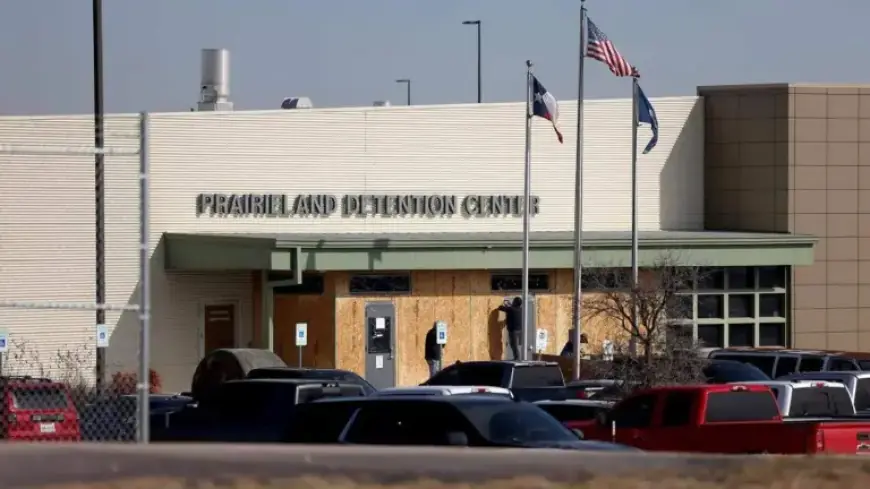
The shooting incident outside the Prairieland Detention Facility involved a group associated with protests against immigration enforcement. The defendants face serious charges, including attempted murder. Allegations suggest that Benjamin Song, a former Marine, was a key shooter, firing multiple rounds at law enforcement officers.
Background on the Incident
The conflict escalated shortly after 10:37 PM on July 4, when protesters began shooting fireworks at the detention center. This led to the arrival of law enforcement, during which Lt. Gross was shot. The government’s position frames the incident as a coordinated attack, while the defense claims the actions were part of a peaceful protest.
- Key Events:
- 10:37 PM: Group starts shooting fireworks.
- 10:58 PM: Corrections officers respond after calling 911.
- 10:59 PM: Lt. Thomas Gross is shot.
Legal Implications for Defendants
If convicted, the defendants face a range of penalties. They could serve between 10 years to life in prison on federal charges. Seven other individuals connected to this case previously pleaded guilty and await sentencing. The defendants’ defense team describes their clients as protesters advocating for detained immigrants’ rights, while the FBI classifies them as domestic terrorists.
Community Response and Perspectives
The case has drawn considerable attention, with some community members expressing concerns about the government’s portrayal of the events. Observers argue that the federal government is attempting to label protest activities as terrorism, a theme that resonates with movements across the country.
As the legal proceedings continue, both sides remain firm in their positions. This case reflects broader national tensions surrounding immigration policies and civil rights.