














How Peter Kay's green light turned a five‑minute Phoenix Nights cameo into a sustained stand‑up phenomenon

Why this matters now: peter kay's decision to let Alex Lowe continue using the Clinton Baptiste persona turned a fleeting TV appearance into a durable live-entertainment franchise — one that has kept audiences engaged, extended tours, and reshaped Lowe's career path. That single permission changed how a character was developed and how a comedian connects with crowds today.
Peter Kay's blessing and the ripple effects on Alex Lowe's career
Alex Lowe says he is eternally grateful after peter kay helped kickstart his comic career by allowing him to keep performing Clinton Baptiste once the series ended. Lowe frames that permission as pivotal: he says Peter could have refused, but instead gave him the freedom to grow the character beyond its original screen cameo. The consequence was more than a few extra gigs — it became the foundation for a very successful stand-up trajectory.
How a five‑minute sketch became a stand‑up vehicle
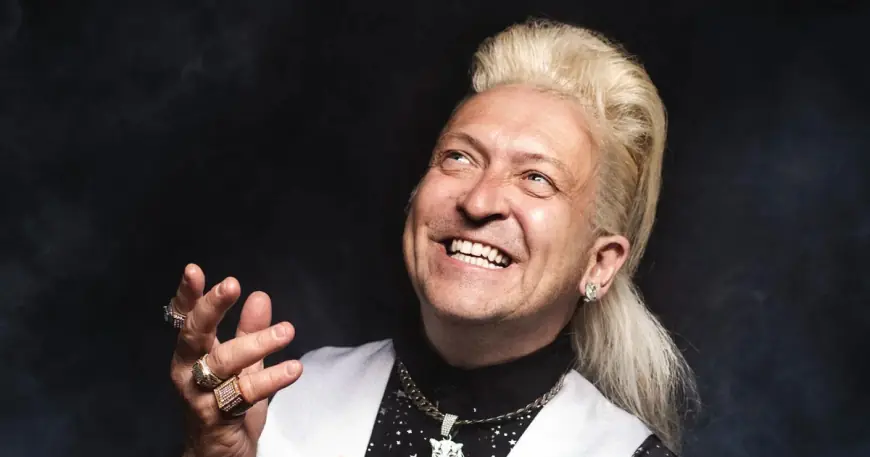
Lowe found fame playing the eccentric psychic Clinton Baptiste on the Northern comedy Phoenix Nights. The character appeared for about five minutes on the show, but resonated strongly with viewers. Over the past two decades Lowe has expanded the character’s backstory and routines so Clinton works as a live performer rather than a short TV cameo. Coverage included an image of Alex Lowe as Clinton Baptiste alongside this reporting.
Tour performance, audience reaction and the practical changes
Alex now regularly performs nationwide live shows as Clinton and those appearances have proved popular enough that his most recent tour was extended. He describes the live show as "old fashioned fun, " built from large quantities of jokes and audience readings, and notes he remains very nervous on stage — a nervousness that, he says, increases with age. Playing a distinct character also lets him push near‑the‑knuckle humour in ways a straight set might not allow; Clinton’s buffoonish persona gives Lowe license to land cheeky material that audiences forgive because it’s the character speaking.
- Clinton’s original TV run: roughly five minutes of screen time in Phoenix Nights.
- Ongoing development: Lowe has spent over two decades refining Clinton’s history and stage persona.
- Touring status: recent tour extended due to strong audience response; tour details were pointed to the Clinton Baptiste official site.
Friendship, mentorship and the possibility of a revival
Beyond permission, Lowe and Peter remain pals and keep in touch. Lowe says he still seeks Peter’s advice on material and presentation because Peter knows how to pitch jokes and make gags land. While Lowe is busy on tour, he is hopeful a Phoenix Nights revival might happen: he says he has no idea if there will be more, that the idea is raised every year, and that he would be gutted to be left out if the show returned. The future of any revival is unclear in the provided context.
Here's the part that matters: that initial green light didn’t just protect a single joke — it created a permission structure that allowed a character to be retooled for live audiences and sustained commercial touring.
Quick perspective and signals to track
What’s easy to miss is that a short TV cameo can be repurposed into a headline act when the originating creators allow it and the performer invests long term in character work. Signals that would confirm continued momentum include further tour extensions, prominent live‑venue sellouts, or clear announcements about reopening the original series; at present, those outcomes are not confirmed in the provided context.
Micro timeline embedded: • Phoenix Nights first aired 25 years ago; • the Clinton Baptiste role occupied roughly five minutes of the original show; • over the past two decades Lowe has developed the character for stand-up and extended his tour recently.
It’s easy to overlook, but the combination of mentorship, permission and patient development explains why a brief TV sketch can evolve into a long-running live phenomenon.