

























Klaebo Makes History with Sixth Olympic Gold at Milan Cortina Games

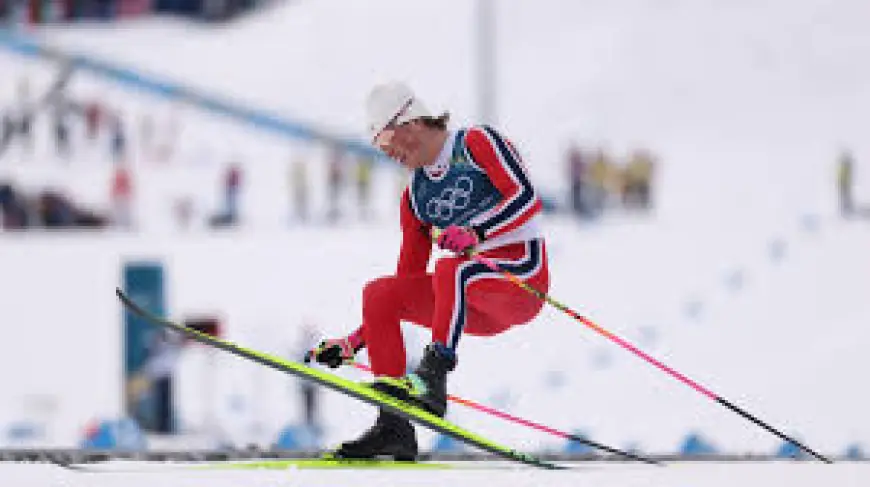
Johannes Klaebo claimed a sixth Olympic gold, a feat that made him the first athlete to reach six gold medals at the Winter Games. The milestone arrives on Day 15 of the Milan Cortina Olympics and has already generated analysis of how those six medals fit into the broader history of Olympic achievement.
Klaebo's sixth gold seals historic Winter Games milestone
With the gold that delivered his sixth top finish, Klaebo became the first athlete in Winter Games history to amass six Olympic gold medals. The numerical milestone — six golds — is the immediate cause of the new historical designation: crossing that threshold produced the designation of "first athlete" at the Winter Games with six golds.
The win occurred amid the final days of competition at the Milan Cortina Olympics, on what has been identified as Day 15 of the program. That temporal placement matters because championships reached late in a Games often shape headline narratives and legacy conversations for weeks to come.
Johannes Klaebo's 6 Gold Medals in an all-time context
An analysis headlined on the broader Olympic ranking of Klaebo's six golds appeared 11 hours ago and placed his medal total in an all-time frame. The analytical piece examines how six gold medals compare with historic Olympic performances and what Klaebo's accumulation means for lists that rank medal counts across Games.
What makes this notable is that the raw figure — six golds — now requires reassessment of where a single athlete's Winter Games tally sits relative to established benchmarks for Olympic greatness, shifting the conversation from an event-level victory to a career-level evaluation.
Gold medal moments from Day 15 of the Milan Cortina Olympics
A roundup of gold medal moments from Day 15 of the Milan Cortina Olympics was published 6 hours ago, highlighting the climax of competition and the standout wins that day. Klaebo's sixth gold was among the moments singled out, underscoring how one athlete's achievement can dominate a closing day's narrative while other final medals were also awarded.
The Day 15 coverage concentrated attention on decisive performances, with Klaebo's result changing the medal conversation for the Winter Games as a whole.
Timeline: coverage and the unfolding legacy
The sequence of public coverage shows the story evolving quickly: an early headline declaring Klaebo the first to reach six Winter Games golds was published 13 hours ago, analysis of how his six golds rank appeared 11 hours ago, and a Day 15 roundup was released 6 hours ago. That rapid cadence — three separate items over a roughly 7-hour span — illustrates how a single result can generate immediate reporting, retrospective ranking, and a day-end recap in short order.
The cause-and-effect chain is straightforward: Klaebo won a sixth gold, that sixth gold produced a historic label marking him as the first Winter Games athlete to hit six, and subsequent coverage reframed the Games' narrative to center on the significance of that total.
Milan Cortina Olympics frame the achievement
The Milan Cortina Olympics served as the venue and stage for Klaebo's milestone. The Games' schedule placed the decisive result on Day 15, ensuring the victory occurred in the final competitive window and at a point when legacy discussions are most active among athletes, teams, and observers.
The immediate measurable impacts are clear: a single athlete now carries six Winter Games golds; media and analysis pieces were published at intervals of 13, 11 and 6 hours ago to document and assess the event; and Day 15 coverage emphasized the gold medal moments that closed the program.
This sequence — victory, historic designation, and rapid retrospective analysis — compresses the competitive and narrative lifecycle into a brief period and leaves a durable mark on how the Milan Cortina Olympics will be remembered in medal-history terms.