



















Jennifer Garner Embraces a Tougher Hannah in The Last Thing He Told Me Season 2

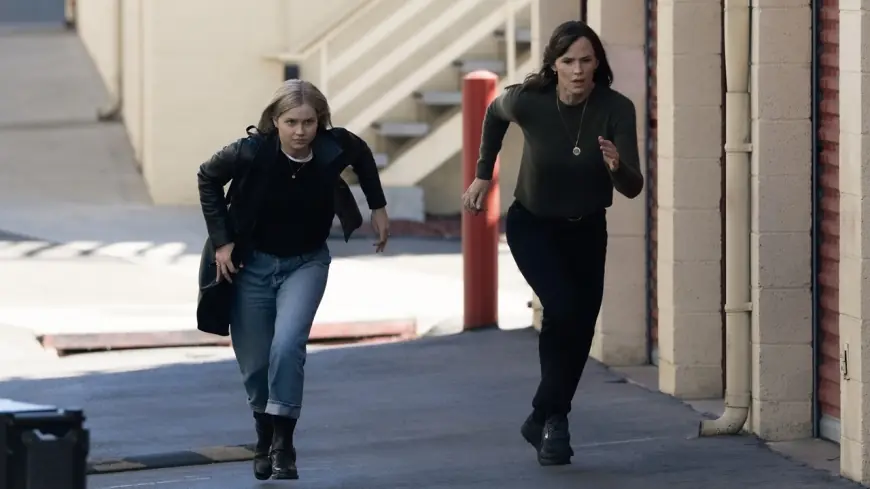
Jennifer Garner returns in the second season of the series playing Hannah Michaels, and the latest episodes lean into a grittier, more physical version of the character. That change matters because it alters the emotional stakes and reframes familiar beats from the first season.
Jennifer Garner: Hannah Gets Physical Early
One early improvement noted by a critic is that the season wastes little time letting Jennifer Garner demonstrate her physical acting. Within the opening section of the new season, the show provides space for Hannah to show fighting skills and other physicality that had been underused in previous projects. This choice foregrounds a different facet of the lead performance and signals an evolution in Hannah’s arc.
Season 2 Hones Its Storytelling
The season is described as a step up narratively. Where many adaptations extend their source material with unnecessary cliffhangers, this installment aims to refine rather than simply amplify the original formula. The new episodes revisit a brief tease from the prior season but then commit to deeper work on character development and plot mechanics rather than relying solely on shocks.
Hannah’s Prepared Life: Weapons, Training and Precautions
The story establishes that Hannah has built a life designed around the possibility of future disruption. Her preparedness includes training in fighting, actively carrying a weapon, using burner phones, maintaining bank lockboxes with untraceable cash, and stashing items in secret storage units. These details change the tone of the series and make Hannah a more proactive protagonist than she was previously.
The Campanos Plot and a Leap in Logic
Central to the season’s conflict is the dissolution of a prior agreement made at the end of season one with the father of a late wife—an arrangement that had protected Hannah and her stepdaughter Bailey from retribution by the Campanos for Owen’s betrayal. With that agreement declared void in the new season, Hannah and Bailey are forced back on the run. A critic flags this development as one of the weaker stretches: it asks viewers to accept that a crime family, stung by a betrayal almost two decades earlier, would pursue the betrayer’s daughter and a later spouse despite the time elapsed and circumstances described in the prior season.
Familiar Faces and Character Shifts
The season continues threads from the first season—Hannah’s brief encounter with Owen at a gallery returns as an early touchpoint—while also allowing distinct change in several characters. Bailey’s role remains central to Hannah’s choices, and the show attempts to avoid merely rehashing earlier material by depicting concrete transformations in behavior and readiness that stem from the events of season one.
What This Means Going Forward
The creative choice to foreground Hannah’s preparedness and physicality gives the lead more agency and offsets some of the frustration that comes from adaptations that extend for extension’s sake. That said, the series still leans on an escape-and-pursuit structure that occasionally strains plausibility, especially around motivations for renewed violence. Viewers invested in character-driven adjustments will find moments of reward; those seeking airtight plotting may still have reservations.
Overall, the second season delivers a more focused vehicle for the lead performance and adds texture to the world the characters inhabit, even as certain plot beats require a generous suspension of disbelief. Recent coverage frames this as an incremental improvement that highlights the cast’s capabilities while leaving some narrative questions unresolved.