























Cameron Boozer’s breakout season shifts Duke’s ceiling, ACC dynamics and NBA chatter

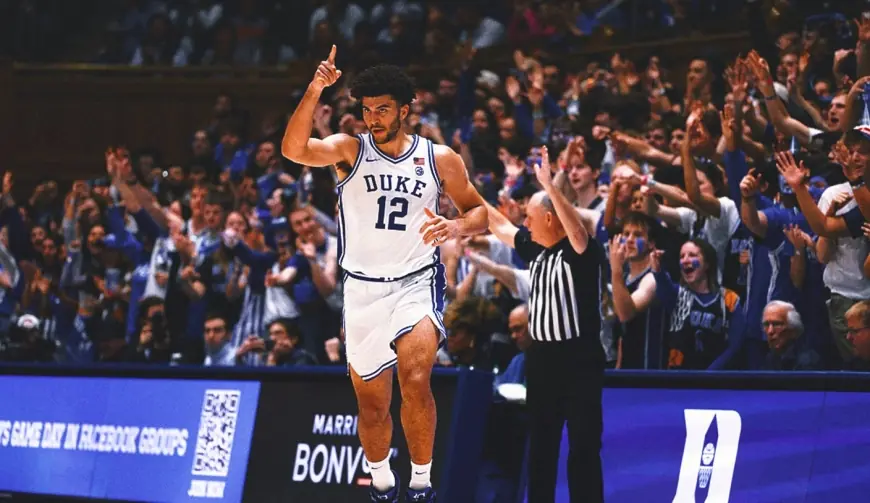
Who feels the impact first? Duke’s rotation, ACC opponents and pro scouts. cameron boozer has emerged as the engine behind a top-ranked Duke team, leading in both scoring (22. 8 points per game) and rebounding (10. 0 per game), while also drawing runaway early support for major player-of-the-year honors. That combination changes how opponents game-plan, how the team’s March positioning looks, and how conversations about the 2026 NBA Draft are framing him.
Cameron Boozer’s immediate ripple: matchups, team roles and evaluation timelines
Boozer’s dual role as primary scorer and leading rebounder forces opponents into uncomfortable choices: prioritize stopping his interior finishes and rebounding or respect his perimeter ability. His size at 6-foot-9 plus ball-handling and perimeter touch create a matchup problem inside and out. It's easy to overlook, but being the first player to lead the ACC in both categories since Marvin Bagley II in 2017 signals a rare two-way resource for Duke and elevates the stakes of each marquee game on the schedule.
Here's the part that matters for stakeholders: opponents must reallocate defensive attention; Duke’s coaches can run more permutations with him initiating offense; scouts now track him not only as a top college player but as a projected top-three NBA prospect for the 2026 class. cameron boozer’s profile is altering short-term game planning and longer-term evaluation timelines simultaneously.
Embedded snapshot: numbers, accolades and the immediate calendar
- Size and role: 6-foot-9 forward who handles the ball, initiates plays, finishes at the rim and shoots from the perimeter.
- Team production: leads Duke in scoring (22. 8) and rebounding (10. 0).
- Conference standing: leads the ACC in both scoring and rebounding; first to do so in the conference since a 2017 precedent.
- Awards and market signals: viewed as a runaway favorite for a top national player honor and topped a recent player-of-the-year ranking.
- Recruiting and draft context: No. 3 prospect in the 2025 college recruiting class and recognized as a top-three prospect for the 2026 NBA Draft.
- Immediate test: scheduled matchup with a top opponent — a No. 1 team — on Saturday at 6: 30 p. m. ET, with the season and the NCAA Tournament window accelerating evaluation.
Mini timeline:
- Regular season is ramping up and high-stakes games are becoming nightly events.
- Upcoming: a meeting with a No. 1-ranked opponent on Saturday at 6: 30 p. m. ET offers a concentrated spotlight.
- NCAA Tournament approaches, where national narratives and draft stock often crystallize.
Key takeaways:
- Opponents will be judged by how they adjust defensively to Boozer’s blend of size and playmaking.
- Duke’s rotation and offensive sets are more flexible because a single player is carrying both scoring and rebounding loads.
- High-profile matchups this stretch will shape award races and draft evaluations more than box-score volume alone.
- Expect intensified scouting and repeated on-court tests as rival teams try to expose weaknesses.
The profile is unusually complete for a college freshman: production, pedigree and prospect status are converging in a way that makes him central to both Duke’s present and the pro conversation. The real question now is how consistently he meets this workload against top-tier defenses down the stretch and in tournament conditions.
Writer’s aside: The bigger signal here is that leading a major conference in both scoring and rebounding no longer feels like an anomaly—it’s a functional shift in how modern forwards impact games when they combine ball skills with traditional size.
Recent updates indicate that Boozer’s combination of on-court role, award positioning and draft buzz has already altered opponent scouting and internal team planning; details may evolve as the season’s marquee matchups and the NCAA Tournament approach.