




















Gus Kenworthy Facing Death Threats After Anti‑ICE Post — Immediate Safety and Team Ripples at the Winter Olympics

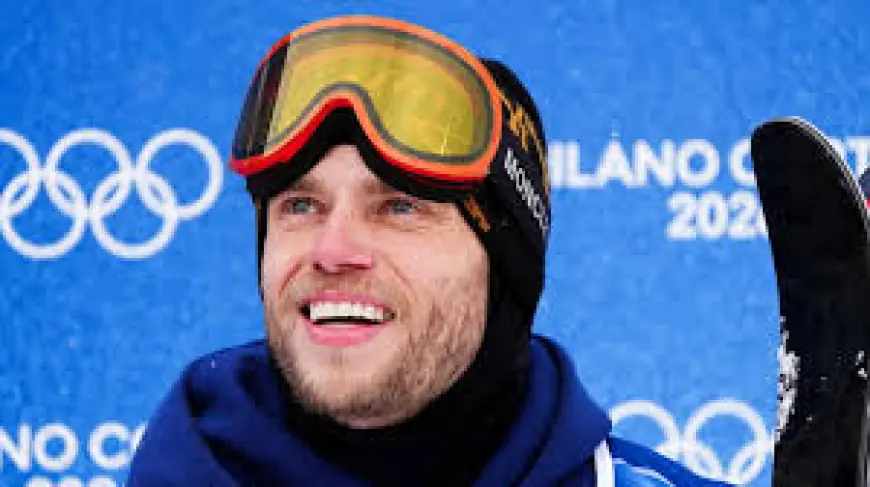
Who feels the impact first? For gus kenworthy it was personal: death threats arrived after he posted a graphic message about the US immigration enforcement agency, forcing an athlete to confront direct online hostility while competing. The same posts and the subsequent public unrest tied to recent killings by immigration agents are reshaping how athletes, teammates and event organizers think about safety and political expression at these Games.
Gus Kenworthy: the human cost — safety, scrutiny and the wider team environment
Kenworthy has described the threats as tough, violent, scary and homophobic, but said he largely took them with "a grain of salt. " The immediate consequence is heightened personal risk and added stress during competition; teammates, competitors and event staff face spillover pressure when a competitor becomes the target of hostile attention. Here's the part that matters: large‑scale protests following the killings of two US residents by immigration officers have already created a charged backdrop, and Kenworthy's post placed him in the middle of that national dispute while he was preparing to compete.
What's easy to miss is that this is not just an isolated online episode — the episode arrived amid a real‑world enforcement operation that drew both detentions and national protests, which changed the optics for anyone publicly opposing immigration enforcement at the Games.
Event details and competition context
gus kenworthy shared a graphic image on Instagram that used an expletive before the letters ICE roughly a week before he was due to compete at the Winter Olympics in Italy. He is competing at his fourth Olympics. In the halfpipe final referenced in recent coverage, Kenworthy finished sixth while an American competitor claimed gold. Another US skier who had criticized immigration enforcement placed 10th and had previously used a forehead gesture in qualifying after a public comment from the US president about him.
Background context tied to the unrest: two US residents were killed by immigration agents in a Minnesota city earlier in the year, which sparked protests nationwide. A senior immigration official called the enforcement surge an operation that detained many undocumented immigrants and said it would end; that official also stated that the agency has and will continue to have a presence in Minnesota, and cited a figure for the number arrested during the operation.
Kenworthy's competitive résumé is part of why the episode drew attention: he won an Olympic silver in ski slopestyle at the Sochi Games, later switched allegiance to represent Great Britain, and is now at his fourth Games. That sequence — medal success, a national switch, and sustained presence at multiple Olympics — means his statements carry amplified visibility on and off the snow.
- Competition outcome highlighted: Kenworthy finished sixth in the referenced halfpipe final.
- Other athlete context: an American won gold and another US skier who criticized enforcement placed 10th.
- Public unrest element: two US residents were killed by immigration officers, prompting nationwide protests.
Integrated takeaway: the immediate change is practical — athlete safety conversations now intersect with political protest and enforcement actions, altering how individuals and teams must navigate public statements and security. Athletes, event organizers and officials are the first groups affected by that shift.
The real test will be whether event protocols and team responses adapt to reduce risk without chilling athletes' willingness to speak on contentious issues. If you're wondering why this keeps coming up, it's because high‑profile competitors bring both spotlight and vulnerability when they engage with polarizing national debates.
Micro timeline (verified points):
- Sochi Games: Kenworthy won a silver medal in ski slopestyle.
- 2019: Kenworthy switched allegiance to represent Great Britain.
- Current Games: Kenworthy is competing at his fourth Olympics and finished sixth in the halfpipe final mentioned in coverage.
Editorial aside: The bigger signal here is how quickly a single social post can convert sporting performance into a security and reputational issue for an athlete at the centre of a national controversy.