













What Changes for Middle-earth: How Lord Of The Rings The Hunt For Gollum Could Recenter Characters, Tone and Franchise Strategy

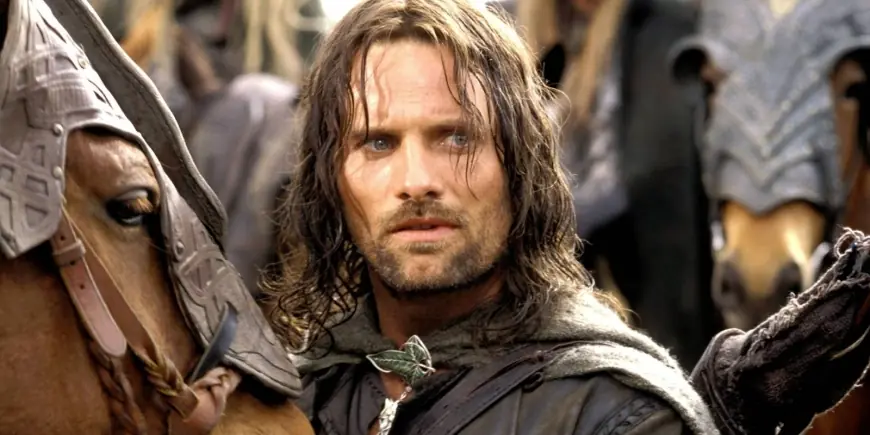
The new project lord of the rings the hunt for gollum signals a deliberate shift: moving a peripheral backstory into center stage and recasting established heroes in altered roles. That change matters because it reframes which characters carry narrative weight, leans into a psychological portrait of Gollum, and asks audiences to accept a different balance between action and interior drama.
Consequences for character focus, tone, and audience expectations
Here’s the part that matters: the creative team is positioning this film to reassign agency within familiar relationships. One lead actor indicates that Aragorn will take the frontline in the search for Gollum while Gandalf will operate more as an overseeing strategist. The screenwriter has described the picture as both an adventure and a "really strong psychological, interior story, " which signals a genre mix not used as the primary engine in earlier installments.
This combination has three practical consequences. First, the narrative center shifts from ensemble myth-making to a tighter character study tied to quest mechanics. Second, the film will likely require audiences to reorient expectations about which returning characters carry the dramatic spine. Third, emphasizing Gollum's inner life suggests extensive screen time devoted to fractured psychology rather than purely external stakes.
- Aragorn is framed as the active lead in the tracking mission while Gandalf supports from a distance.
- The focus on Sméagol/Gollum’s backstory pushes the material toward origin-story territory rather than brief flashback fragments.
- Directing and performance choices aim to preserve physicality while increasing psychological depth.
- Fans who prefer ensemble, large-scale mythology should expect a different pacing and emphasis.
What’s easy to miss is the number of original creative partners attached to this project, which reinforces that the shift is intentional rather than experimental or fragmentary.
Where Lord Of The Rings The Hunt For Gollum diverges from past installments
The project pivots on a few connected production and storytelling decisions. The director will also reprise the titular role, combining performance and helm responsibilities. The screenplay and producing credits remain tied to writers and producers who worked on the franchise’s earlier films, and the film has been described in synopsis form as an origin-focused narrative that explores Sméagol’s transformation into Gollum. Those elements together point to a biographical approach that fills in previously brief references rather than retelling established epic beats.
If you're wondering why this keeps coming up, note that the creative framing — an active ranger leading a hunt while a wizard directs from the sidelines, plus an explicitly psychological angle — alters the storytelling balance. That change affects editing, shot design, and the likely audience experience: more intimate confrontations, more interior sequences, and a different tempo compared with sprawling ensemble scenes.
- Production status: the project is set to enter production within the stated window before its scheduled release date.
- Release timing: a release date has been scheduled for late in the specified year.
- Creative continuity: key contributors from the earlier films are involved in writing and producing, while the lead performer returns as director.
Signals that will confirm whether this shift succeeds include casting decisions for returning principal roles, how the screenplay balances internal and external conflict, and early footage that demonstrates whether physical performance and psychological storytelling coexist effectively.
Key takeaways:
- The film reframes a previously incidental backstory into a lead narrative thread, changing which characters drive the plot.
- Expect a hybrid of adventure and psychological drama rather than a straight origin tale or a conventional sequel-style ensemble.
- Returning creative personnel suggest the tonal shift is deliberate and anchored to the franchise’s makers.
- Audience reception will hinge on whether the emotional depth around Gollum complements or undercuts expectations for heroic action.
The real question now is how audiences who cherish the trilogy’s original balance of spectacle and ensemble will respond to a film that foregrounds a single, troubled character and reassigns leadership among familiar heroes. Recent updates indicate production and release schedules are set, but many details remain to be revealed; those details will determine whether this represents an enriching expansion or an overreach.