























Uw Parkside Campus Closes After Threat as University Rolls Out AI Fluency Initiative Through 2028

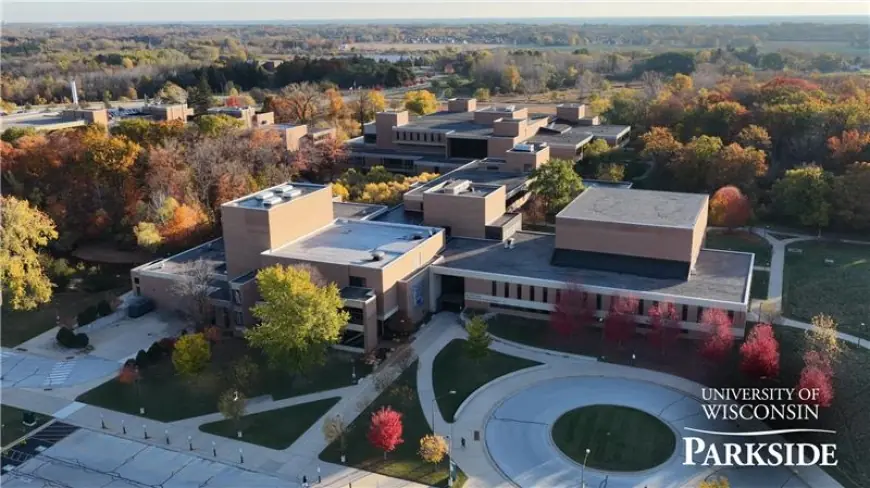
The Kenosha campus of uw parkside was closed Saturday after a reported threat prompted a campus-wide UWP Ranger Alert that ordered evacuation or sheltering in place, disrupting classes and campus operations at a university that is simultaneously launching a multi-year AI fluency program. The simultaneous safety response and academic initiative put emergency procedures and long-term planning on immediate, overlapping timelines for students and staff.
Uw Parkside: Development details
University officials issued a UWP Ranger Alert saying the campus is "currently closed" because of the threat and instructing students, faculty and staff to "evacuate immediately or shelter in place. " The Kenosha County Sheriff’s Office amplified the Ranger Alert to the broader community shortly after it was released. Authorities have not disclosed the nature of the threat, whether it originated on campus or outside it, or how long the closure will last.
The shutdown affected a public university that enrolls thousands of undergraduate and graduate students in Kenosha County. Students living in residence halls and those attending weekend programs were explicitly advised to follow emergency instructions and monitor official communications. Law enforcement presence on or near campus has been noted but not detailed publicly.
Context and escalation
The closure came as the university simultaneously announced a campus-wide initiative to achieve AI fluency for students, faculty and staff by 2028. The initiative establishes strategic partnerships with Microsoft and Kenosha-based Ordify AI and calls for integration of artificial intelligence into curriculum and campus operations. University leadership described AI fluency as extending beyond technical skill to include the ability to use AI tools critically, ethically and effectively.
The university has created an AI Fluency Task Force charged with recommending institutional policies, designing professional development programs, and identifying classroom best practices while prioritizing academic freedom and faculty choice. Provost Matt Cecil framed AI as a tool to advance teaching and learning rather than a substitute for it. Microsoft’s involvement was highlighted by Mike Egan, a General Manager with Microsoft TechSpark, who said the initiative models how institutions can prepare students to use AI responsibly and strengthen the regional workforce. Chancellor Lynn Akey emphasized that equipping graduates with AI fluency is intended to support the economic vitality of southeastern Wisconsin.
Immediate impact
The Ranger Alert and subsequent campus closure produced immediate operational consequences: scheduled classes were disrupted, campus events were curtailed, and student employment and weekend programming faced sudden interruption. Residence-hall occupants were specifically directed to follow emergency protocols, creating immediate housing-management and safety logistics for campus staff. The alert’s dual instructions—to evacuate or shelter in place—required on-the-ground decisions by students and employees, and the amplified message by the county sheriff’s office extended the emergency posture beyond campus boundaries.
At the same time, the AI fluency initiative signals near-term administrative actions. The university will convene the AI Fluency Task Force and pursue partnerships with Microsoft and Ordify AI, moving from announcement to implementation steps that include policy recommendations and professional development offerings. Those steps are expected to affect course design, faculty training, and administrative operations over the coming years.
Forward outlook
Officials have not provided a timeline for reopening the campus following the closure; additional information is expected as authorities investigate the threat. Meanwhile, the AI fluency effort has a clear milestone: the university aims to reach campus-wide AI fluency by 2028. Immediate next steps for the academic initiative include standing up the AI Fluency Task Force and beginning partnerships and curricular integration efforts with Microsoft and Ordify AI.
What makes this notable is the convergence of an urgent safety incident with a long-range academic transformation: one development demands immediate crisis response while the other sets multi-year institutional priorities. Both will shape how students, faculty and staff engage with campus operations in the months and years ahead, and both place the university’s emergency procedures and strategic planning in the spotlight as officials provide further details.