





Jennifer Garner’s Hannah Returns in Season 2 as the Show Deliberately Diverges from the Book

Season two of The Last Thing He Told Me picks up five years later and follows a storyline that the cast says will not mirror the newly published sequel exactly, with jennifer garner reprising her role at the center of a reactivated mystery. The divergence matters because the series was being filmed while the sequel was being written, a production overlap that the actors and showrunner say produced creative choices distinct from the book.
Development details
The second season opens with a five-year time jump: Owen has reappeared in a new identity and Hannah must confront the consequences of secrets that were kept from her. The sequel novel, titled The First Time I Saw Him, was published in January, but key members of the cast and creative team were already working on the show while the book was still taking shape. That concurrent timeline—filming running alongside the book’s drafting—has led the series to chart some different narrative paths.
On screen, Owen is shown living in Houston in a modest trailer and working at the port, photographing locations tied to a criminal organization that has upended his life. He reconnects briefly and silently with Hannah, leaving behind a necklace that contains a photograph of the two of them. Evidence Owen compiles is later found corrupted or erased, a concrete setback that accelerates the danger facing the family.
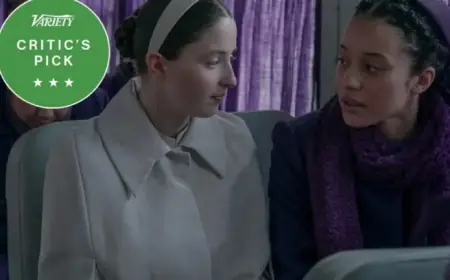
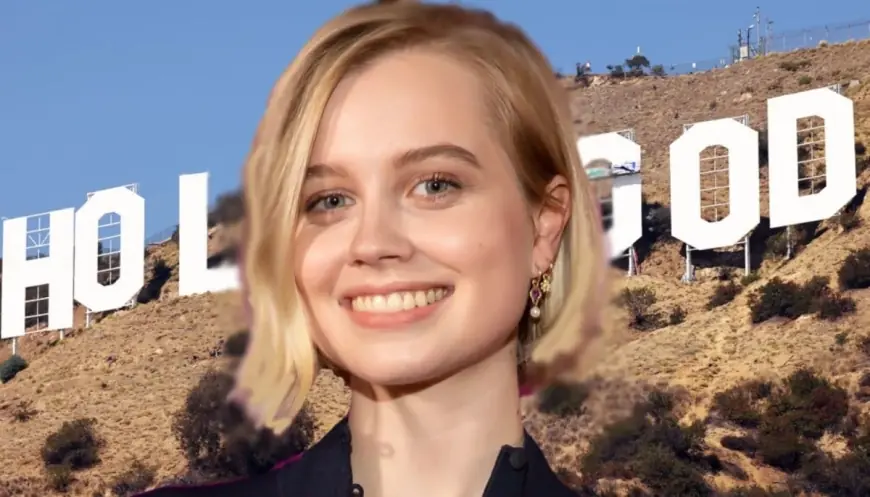
Cast and crew names anchor the production: Jennifer Garner returns as Hannah, Angourie Rice plays Bailey, Judy Greer appears as Quinn, and Nikolaj Coster-Waldau portrays Owen. Showrunner Josh Singer continued to shape the series while author Laura Dave was writing the sequel, a workflow the actors described as unusual for an adaptation.
Jennifer Garner and the series’ creative split
The unusual production rhythm—where the television writers and the novelist were effectively moving in parallel—directly produced divergent outcomes. Angourie Rice said the team was filming at the same time the book was being written, which meant the cast and crew only read the new material as it emerged. Judy Greer described a lack of complete synchronization with the author’s version, noting instances where the showrunner did not have the same answers the novel provided.
What makes this notable is that the creative separation turned the adaptation into a conversation rather than a single-source translation; actors and showrunners moved forward with decisions even as the novelist continued to develop the sequel. Greer also warned that the result contains "loads of surprises" for readers familiar with the books.
Immediate impact
The shift in approach has immediate narrative consequences. Hannah and Bailey have been folded into the family of Nicholas Bell and must navigate a fragile peace tied to a dark agreement involving mob figure Frank Campano. That arrangement leaves them exposed: surveillance images circulate within the Campano organization, Teddy Campano views photographs of a mysterious man photographing sensitive locations, and a suspicious car near Owen’s trailer signals his cover may be compromised.
On a personal level, Hannah continues to train in self-defense and to present her life as normal—organizing art exhibitions and attempting routine parenting—but the show makes clear the psychological and physical stakes are rising. Bailey receives archival photographs that link her dead mother to people connected to the Campanos, deepening the family’s entanglement with criminal forces. Owen reaches out to Detective Grady and claims he is close to definitive evidence against the Campanos, but the later corruption of his data underscores how fragile that hope has become.
Forward outlook
The confirmed signals moving forward are confined to production and publication milestones already in place: the sequel novel’s January publication and an ongoing season-two production shaped by both the television team and the author’s evolving manuscript. The cast’s remarks make clear that viewers should expect differences between the book and the screen, and Judy Greer’s comment about surprises signals intentional deviations built into the adaptation process.
For Jennifer Garner’s Hannah and the ensemble, the immediate schedule remains the series’ production arc rather than any singular plot reveal—the creative teams continued to make narrative choices while the book was released, and those choices have practical consequences on screen: Owen’s efforts to collect evidence place him at renewed risk, Hannah’s attempts at normalcy are undermined by surveillance and corruption of critical data, and Bailey’s growing ties to the Campano circle complicate any path to safety. The cast has framed the second season as a distinct reckoning with the past, shaped as much by production timing as by the story itself.