























Boeing Starliner Failure called one of NASA's worst in new report

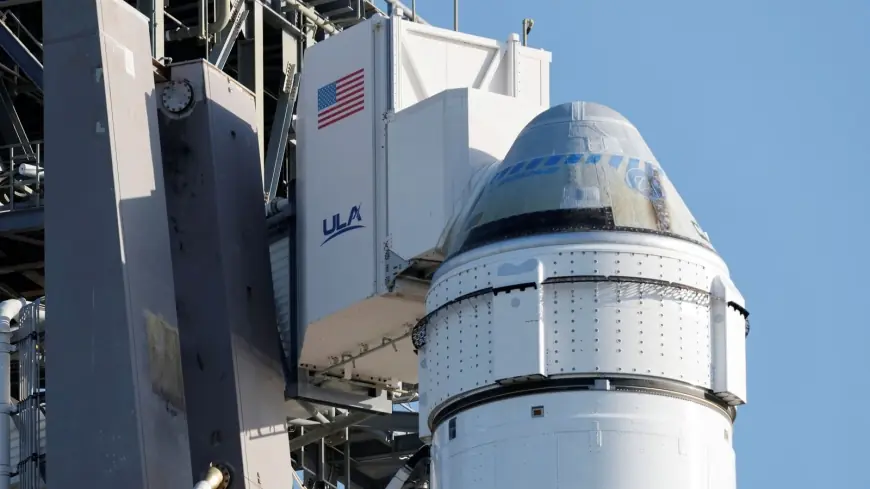
The boeing starliner failure — a botched 2024 crewed test mission that left two NASA astronauts stranded in orbit for more than nine months — has been formally designated a "Type A" mishap in a newly published report, a classification the agency reserves for its most severe accidents. The report finds hardware problems, leadership missteps and cultural breakdowns helped turn a planned short test into a months-long ordeal, prompting commitments to corrective action and leadership accountability.
Boeing Starliner Failure declared Type A
The designation of the Starliner incident as a "Type A" mishap places it on the same severity scale as past fatal shuttle disasters. That classification applies to events that cause more than $2 million in damage, the loss of a vehicle or its control, or deaths. The report notes there were no injuries and control was regained prior to docking, while also recognizing the potential for a much more serious outcome had recovery not succeeded.
What went wrong on the flight
The boeing starliner failure stemmed from multiple technical and organizational failings identified in the investigation. The crewed test flight experienced thruster failures that left the capsule dangerously out of control; the two astronauts on board managed to restart the propulsion system and manually dock with the International Space Station. Investigators flagged hardware failures, poor engineering and other technical issues, including concerns noted earlier in development work such as flammable tape on electrical systems and problems with the parachute system. The report also describes the capsule encountering thruster issues during re-entry on a later return that did not carry the crew.
Leadership accountability and next steps
NASA's new administrator criticized both the spacecraft manufacturer and the agency's own decision-making and oversight, saying mistakes will be corrected and leadership accountability enforced. The agency has accepted the report as final and says it will pursue corrective actions informed by an independent investigation that examined the mission and organizational factors. The report attributes the mission's extension from an originally planned short test into a months-long stay at the station to both technical failures and cultural problems between the contractor and the agency.
The two astronauts involved were aboard the International Space Station for months and later returned on a different vehicle. Both have since retired from the agency. The published investigation runs hundreds of pages and documents a mix of hardware issues and managerial breakdowns that the agency says it will address.
Forward look: the agency has committed to corrective measures and oversight changes aimed at addressing the engineering and cultural shortcomings identified. If those corrective steps successfully remedy the flagged hardware and oversight gaps, the path to restoring confidence in crewed test flights will be clearer; if shortcomings persist, continued scrutiny and further remediation will likely follow. The report's findings and the formal Type A classification elevate the issue within the agency and set expectations for measurable fixes and clarified leadership responsibilities.