























Kristi Yamaguchi and why Alysa Liu’s carefree, joyous gold-medal performance matters for fans and young skaters

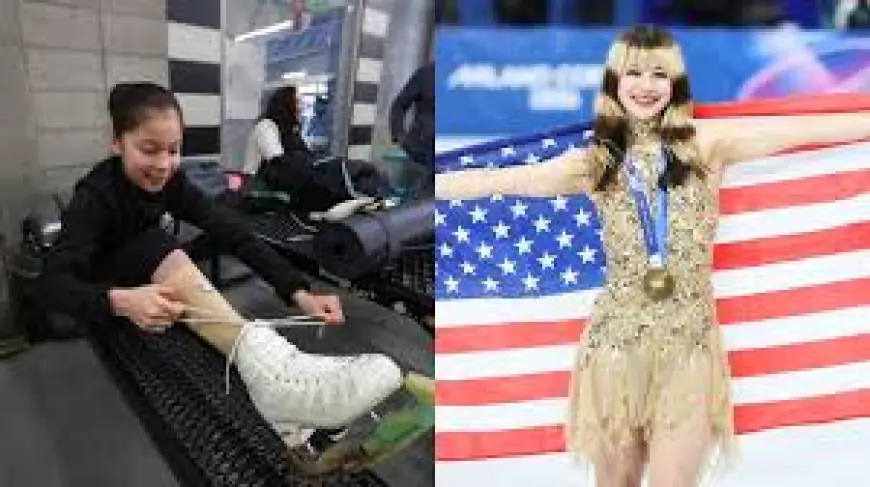
kristi yamaguchi is a name that often comes up when fans compare eras; right now, Alysa Liu’s carefree, joyous, gold-medal performance is reshaping those comparisons. For audiences who follow figure skating closely—especially young athletes and parents—this moment highlights a striking blend of technical success and an unapologetically expressive style that feels generationally significant.
Kristi Yamaguchi as a cultural touchpoint for an energized fan base
Here’s the part that matters for fans and future skaters: the way a gold-medal performance is described as carefree and joyous reframes expectations. Rather than a purely clinical, points-first presentation, this performance is being talked about as proof that personality on the ice can coexist with top results. That shift matters to families, coaches, and skaters imagining career arcs that include both medals and recognizable individuality.
- Alysa Liu’s performance is being framed as both gold-medal level and joy-forward, offering a model that blends competitive success with visible enjoyment.
- Photographic storytelling—tracking a journey from Oakland ice to Olympic gold—appears alongside commentary about sportsmanship and community within the sport.
- Analysis of current trends suggests a friendlier, more supportive arena among competitors, which changes how achievements are perceived and celebrated.
- For younger skaters, the implication is practical: cultivating a distinct on-ice personality can coexist with reaching the podium.
Event details framed as part of a broader cultural moment
Rather than relaying a step-by-step recap, the details being emphasized are the tone and narrative of the achievement: a gold-medal performance characterized as carefree and joyous and a documented journey from community ice to Olympic gold. That pairing tells a story beyond technical elements—an arc that connects place, personality, and peak competitive success.
It’s easy to overlook, but the broader conversation also includes commentary on how athletes treat one another, suggesting this moment fits into a larger pattern of kindness and mutual respect in the sport. The language used—carefree, joyous—shifts attention toward emotional resonance as part of what makes a performance memorable.
Key signals that could confirm whether this is a sustained shift: more podium moments described in similarly expressive terms; a continuing visual emphasis on athletes’ personal journeys; and further analysis that centers sportsmanship as integral to modern competition. The real question now is how coaches and programs respond: will training prioritize expressive freedom alongside technical rigor?
What’s easy to miss is how narrative framing shapes who young skaters idolize. When the highlight is not only a medal but the way a skater moves through pressure with joy, it expands role models for the next generation.
For readers who follow comparisons across eras, kristi yamaguchi’s name often emerges in those conversations. That linkage is useful: it shows how fans use past touchstones to interpret present moments, and how a single performance can reset expectations for what elite success looks like.
Short takeaway: the coverage around this gold-medal performance is less about a single result and more about what top-level skating can feel like—technical excellence delivered with a distinct, joyous personality. For fans, families, and aspiring skaters, that fusion is the most immediate, practical lesson to carry forward.