












Alysa Liu Mother: What Fans and Young Skaters Should Take From Her Joyful, Gold-Medal Free Skate

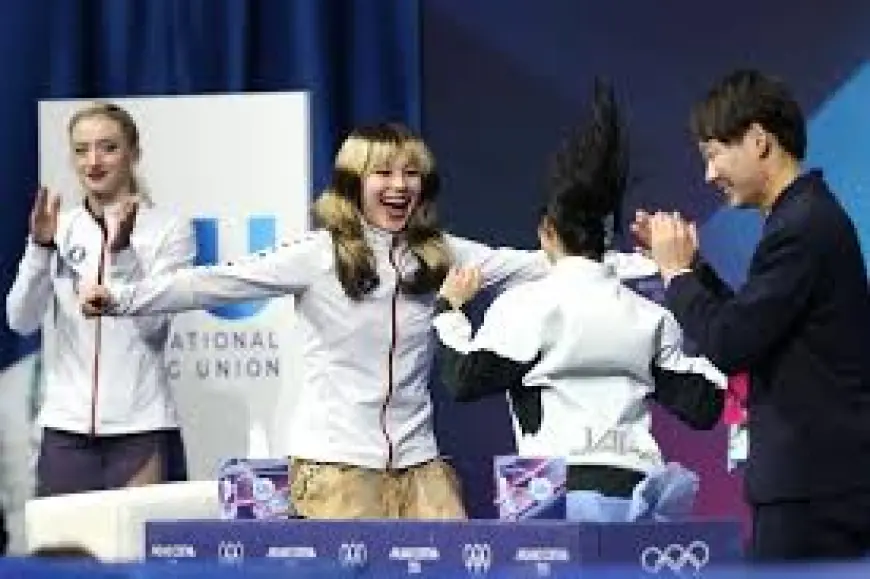
Alysa Liu Mother — the phrase sits oddly next to an athlete whose recent performance prioritized playfulness and expressive movement over raw contest fury. That shift matters now because Liu’s gold-medal free skate, and her choice to return to competition after stepping away, foreground artistry and personal satisfaction in a sport often dominated by technical arms races. Fans and younger skaters will feel this first: it reframes what a championship program can look and feel like.
Alysa Liu Mother — why the free skate resonates with audiences and developing skaters
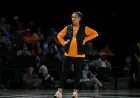
Here’s the part that matters: Liu skated as a performer rather than a competitor in the tight, high-pressure context of the Olympics, and that stance changed how people experienced her program. Rather than simply chasing elements, she used fluidity, looseness and expressive gestures to make the ice feel soft instead of forbidding. For viewers and those learning the sport, the takeaway is practical—technical excellence and visible joy are not mutually exclusive.
What’s easy to miss is that this posture looks deliberate. After retiring as a teenager and returning to competition at a later age, Liu skated with a renewed sense of enjoyment. That background gives the program its emotional clarity: the first audience she needs to win over is herself, and that internal focus translated into an arresting free skate that culminated in the sport’s top prize at the recent Games.
How the free skate delivered—movement choices, musicality and finishing flourishes
The program unfolded as a study in looseness and musical rapport. Liu opened with a poised, anticipatory gesture and rode the music’s pulse—an expansive disco suite—through jumps that were integrated into flowing movement rather than isolated targets. Footwork emphasized serpentine patterns and deep edges; spins and slides were deployed as expressive punctuation. She closed with a layback spin and a Biellmann-style finish that read as an exclamation point: skating as self-expression instead of a final attempt to retro-fit artistry around a quad.
Technical notes that stood out in the skate included a playful approach to jumping passes—a texture of ease around a double axel—and sequences that blended dancey head and hip movements with crisp edges. She also used dramatic slides and a moment spinning on both knees to punctuate the program’s theatrical arc.
- Retreat and return: Liu had stepped away from competition in her mid-teens and later returned with a new focus on joy and artistry.
- Program music: the free skate leaned into a propulsive disco suite that shaped pacing and gestures.
- Finish and flourish: the program closed with classical figure-skating shapes (layback, Biellmann-style finish) used as dramatic punctuation rather than checklist items.
If you’re wondering why this keeps coming up, consider the emotional contrast: in a field where pressure often fractures performance, a visibly joyful, artist-driven skate becomes memorable in a different way than technical dominance alone.
Key takeaways for practitioners, fans and coaches:
- Skating rooted in performance can coexist with winning at the highest level; Liu’s gold-medal free skate showed both aims can be met.
- For younger skaters, modeling a balance between technical ambition and expressive freedom offers a pathway that may reduce competitive strain.
- Audience response is shaped as much by theatrical choices—timing, gesture, musical engagement—as by isolated elements.
- Expectations for what a championship program must look like could broaden, especially among those who prioritize artistry.
The real question now is whether more athletes will lean into this artist-first mode when returning to competition or constructing new programs. The bigger signal here is how a single, high-visibility free skate can shift conversation about priorities in elite skating.
Timeline (concise):
- Retired in mid-teens, then returned to competitive skating later.
- Skated a free program built around disco-era music and expressive movement.
- Won the sport’s highest prize at the recent Winter Games with that program.
It’s easy to overlook, but the lasting effect may be less about one medal and more about what coaches and skaters take from this approach when designing training and choreography going forward.