
























Trail Blazers Vs Nuggets — 157-103 rout forces rotation questions and shifts urgency around Jokic’s wrist

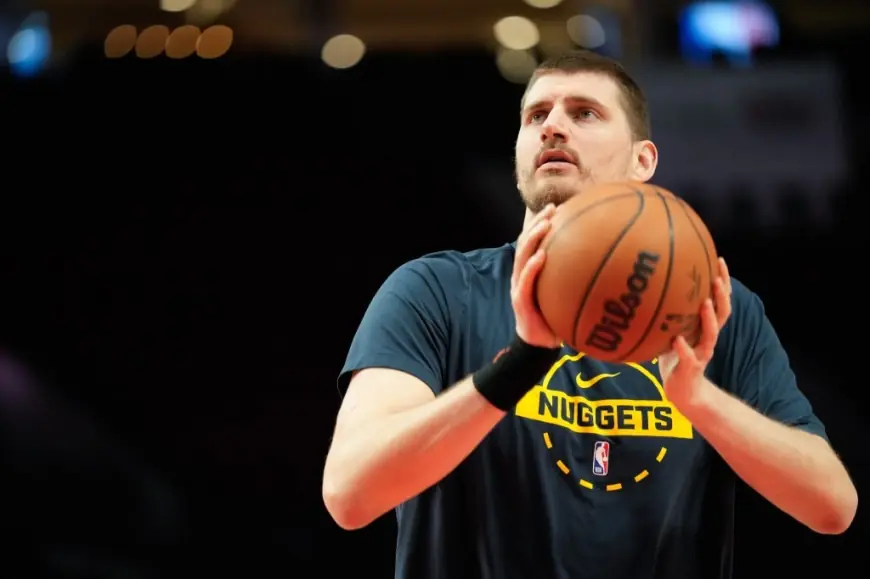
The 157-103 line in the Trail Blazers Vs Nuggets game matters because it changed the short-term outlook for both teams: Denver turned a back-to-back into historic offensive momentum while the Blazers absorbed a blow that will accelerate lineup tinkering and defensive reassessment. For viewers and bettors tracking form, this result reorders what to expect from the next two games and who will shoulder more minutes immediately.
Impact-first: Trail Blazers Vs Nuggets rout remakes roles and health talk
Here’s the part that matters: a 54-point margin in an opponent’s arena isn’t just one dominant night — it rewrites rotation choices and influences how coaches manage minutes in the next few days. The Nuggets used efficient scoring and spacing to make the contest a blowout early, allowing their star to sit down in the fourth quarter and sending clear signals about which bench pieces can be trusted in heavier minutes.
What’s easy to miss is that the decision around a primary scorer’s wrist dressing — removed before the game — had a practical ripple effect beyond comfort: it freed up touch and apparently improved shooting feel, which fed into Denver’s rapid offensive output. That choice will shape short-term minutes for the core and for high-leverage bench options when tighter rotations return.
Game details and key stat lines
Rather than a play-by-play, here are the numbers that produced the impact and how they clustered.
- Final score: Nuggets 157, Trail Blazers 103 — the highest point total on the road in franchise history and the most in the NBA this season.
- Nikola Jokic: 32 points, nine rebounds, seven assists, four steals in 29 1/2 minutes; 10-for-15 shooting and a team-best plus-40 while on court.
- Jamal Murray: 25 points, six rebounds, six assists; hit a scoring surge in the second quarter.
- Other contributors: two scorers with 19 points each; Denver finished 21-of-41 from 3-point range and scored 54 points in the paint.
- Team defense/pace: 12 steals for Denver; the team reached 100 points with 7: 22 left in the third quarter.
- Portland notes: a leading scorer with 19 points for the Blazers and a two-way contributor with 15 points, 13 assists and seven rebounds but also six turnovers.
The real question now is how coaches adjust minutes after such an extreme result. Denver gave its star the fourth quarter off after a high-efficiency night; that’s a tangible rotation move that can protect him across a dense schedule. For Portland, the margin forces quicker answers about defensive assignments and which returning players stabilize the rotation.
Immediate implications include shifts in who logs crunch-time minutes and how the teams preserve energy across upcoming back-to-back stretches. The Nuggets had come off a close loss the previous night and played again within roughly 36 hours, so this strong offensive output combined with controlled minutes is a useful test for short-term load management.
Key takeaways for stakeholders (players, coaches, bettors, and fans): Denver’s offensive balance and Jokic’s decision on wrist taping materially improved shooting comfort; Portland’s turnovers and defensive lapses compounded into an early hole that never closed. Expect Denver to lean on the same offensive spacing in the near term, while Portland must prioritize possession control and matchup adjustments in their next outing.
Writer’s aside: It’s easy to overlook how a single equipment choice — in this case leaving a wrist wrap off — can alter rhythm and confidence on the court, especially during a back-to-back stretch.
Micro timeline (verifiable sequence): Denver lost a tight game the night before, played Portland the next night and followed this rout with another road game scheduled soon after. That cadence makes the Nuggets’ decision to rest their star in the fourth a salient management move and gives the win extra strategic value.
If you’re wondering why this keeps coming up, the scale of the victory — both as a season-high point total and as an all-time road mark for the team — turns a single game into a short-term inflection point for rotations and health management.