


















Alex Ferreira wins Olympic halfpipe gold as Nick Goepper crash upends podium

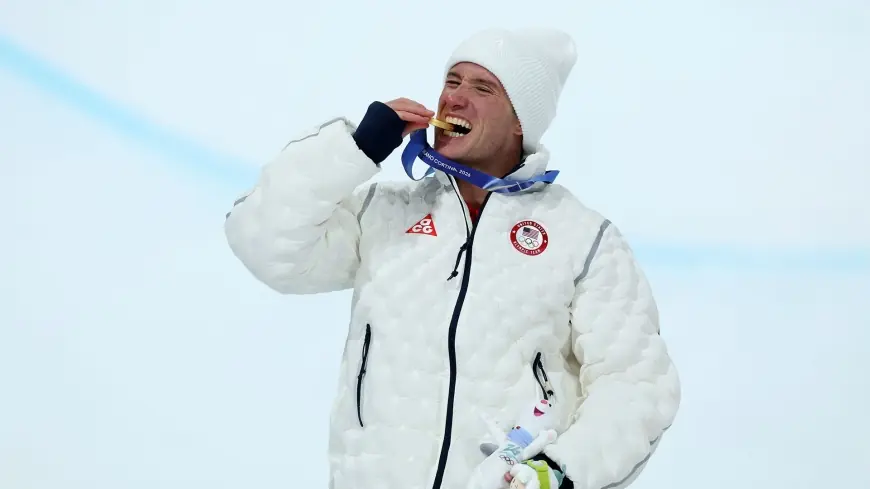
Alex Ferreira captured the Olympic halfpipe gold medal on Feb. 20, 2026, while fellow American Nick Goepper’s bid for a top finish ended in a dramatic crash on his final run. The outcome mattered immediately: a single failed jump changed medal positions and highlighted the razor-thin margin between triumph and injury in freeski halfpipe.
Alex Ferreira — Development details
The men’s freeski halfpipe final at Livigno Snow Park concluded on Day 14 of the Milan Cortina 2026 Winter Olympic Games with alex ferreira taking the gold medal. The contest reached its decisive moments when Nick Goepper, a 35-year-old American who began his last run occupying the bronze medal spot, attempted a fifth and final jump and failed to gain the necessary height. He landed hard on the halfpipe ledge and lay on the snow for several minutes as medical staff tended to him and prepared what appeared to be stretcher options. Goepper ultimately stood up on his own, gave a thumbs-up and walked off under his own power.
The crash had an immediate competitive effect: Canada’s Brendan MacKay posted a score that surpassed Goepper’s, moving into the bronze position. Goepper entered these Games with three prior Olympic medals from earlier events but had not previously won gold. Broadly confirmed results from the event leave alex ferreira atop the podium and MacKay with bronze.
Context and pressure points
The final run’s stakes were explicit: Goepper had a chance to improve his standing on his last attempt, and the broadcast noted the trick he attempted had not been done previously in competition. That context framed both the decision to attempt the maneuver and the resulting crash when it did not land as intended. What makes this notable is how the attempt to push the envelope on technique and amplitude directly shaped the podium—reward for success and significant consequences for failure played out within a single sequence.
Medical teams’ readiness was evident in their response on the snow, and the scene emphasized the physical risk athletes accept in pursuit of Olympic medals. The finish line for the event was swift and decisive: a combination of judged scores and a final run with a failed signature trick produced an outcome that altered expectations in real time.
Immediate impact
The immediate fallout affected athletes, teams and medal standings. Alex Ferreira’s gold changes the distribution of podium honors for the men’s halfpipe, while Brendan MacKay’s jump into bronze displaced Goepper, who had been in medal position prior to his final attempt. Goepper’s crash drew attention to athlete safety and the role of medical staff on site; although he required several minutes of attention, he was able to stand and walk away from the competition area.
For national teams and coaching staffs, the event will be evaluated as both a competitive success and a cautionary episode. Coaches and support teams must reconcile the tactical calculus of attempting unprecedented tricks against the potential for injury and lost podium opportunities. The timing matters because it occurred on the last run, when athletes often take greater risks to move up the standings.
Forward outlook
The results from Livigno are now part of the official record for the men’s freeski halfpipe at the Milan Cortina Games, with alex ferreira confirmed as the event winner and Brendan MacKay occupying bronze. Attention will turn to any subsequent official updates from event officials and to how teams document and review the incident for athlete welfare and competitive strategy. The broader implication is that the balance between innovation in trick difficulty and athlete safety will remain central in freeski halfpipe moving forward.
Medal ceremonies and official results protocols will reflect the placements concluded on the slope; meanwhile, athletes and coaches are likely to take stock of what unfolded when one high-risk attempt reshaped the podium in the final moments of competition.