




















Mlb Offseason Report Card: Final 2026 Grades, Winners, Losers and How the League Landscape Shifted

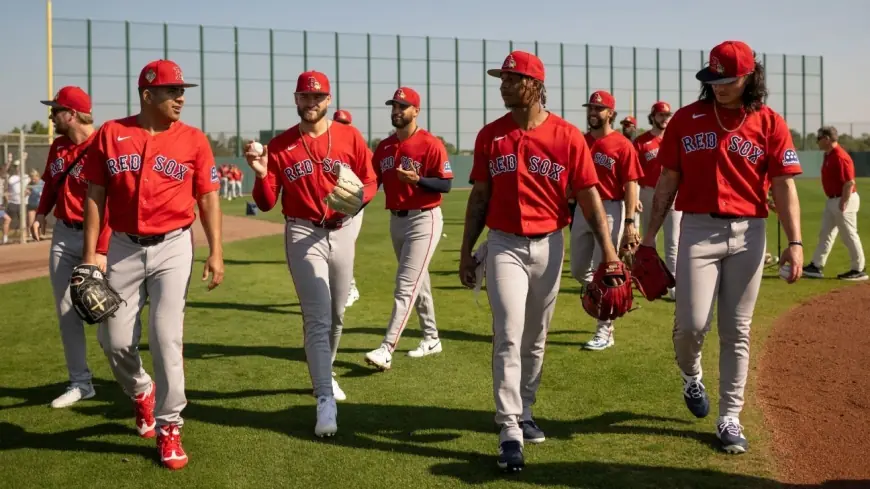
Why this matters now: spring training has started and the 2026 mlb season is almost here, so these final offseason grades are the clearest signal we have about which clubs enter the year with momentum, which patched holes might hold, and which teams may still be short of contention. The assessments below prioritize roster balance and roster-building strategy over volume of moves.
Mlb market shifts and the handful of teams that changed their outlook
Here’s the part that matters: a small group of clubs moved the needle materially. The Dodgers doubled down on elite-tier talent in both the outfield and the late-innings mix, pairing a monster outfield signing with a top closer to turn prior weaknesses into strengths. Other franchises made targeted bets—some aimed at short-term wins while trying to preserve a young core—and a few notable clubs left sizable questions unresolved despite activity.
How the final grades were driven by specific roster moves
Several patterns defined the offseason grades. Teams that upgraded clear, previously exposed weaknesses—closer roles, outfield offense, rotation depth—scored higher than clubs that made lateral or payroll-driven swaps. Examples drawn from final assessments:
- The Red Sox’s grade leaned on roster flexibility: a trade that brought a younger corner bat who projects near the departed veteran’s value, veteran additions to stabilize the rotation and bullpen, and retention of a youthful core including recent debutants expected to help the rotation.
- The Dodgers’ offseason was notable for solving two glaring issues at once: a premium outfielder signed to a long-term deal and a high-end closer added to shore up the late innings. Even with those big signings, their payroll was essentially flat versus the prior year.
- The Astros’ grade reflected a flat-feeling winter: internal alignment at the infield positions left them with an awkward position-player logjam, and while rotation help arrived, the overall moves did not dramatically alter projected outcomes.
- The Orioles and Cubs entered the conversation as teams that retooled aggressively, adding frontline bats and starting pitching to shift their competitiveness after disappointing prior seasons.
What’s easy to miss is how often price and contract structure shaped grades: a deal that preserves payroll flexibility while adding veteran wins is rated higher than a costly, long-term gamble that significantly narrows future options.
- Key takeaways:
- Clubs that directly fixed clear 2025 weaknesses (bullpen, outfield offense, rotation depth) earned the highest marks.
- Younger cores preserved by trades or limited spending improved a team’s outlook more than high-priced one-off signings in several cases.
- Teams that swapped similar-value players scored lower when the move didn’t change roster balance or payroll philosophy.
- Payroll stability—even after marquee deals—was a recurring theme among the top-graded clubs, signaling sustainable contention plans.
If you’re wondering why this keeps coming up: small, surgical upgrades to glaring weaknesses are often more predictive of near-term success than headline signings that fail to address roster balance.
Micro timeline: spring training is already under way, the World Baseball Classic is on the immediate horizon, and the 2026 regular season follows shortly—so these grades are effectively the last league-wide inventory before opening day.
The real question now is which of these offseason narratives will hold once the games begin. Early-season rotation health, the performance of newly acquired late-inning arms, and how quickly incoming bats acclimate will confirm whether grades translate into wins. Recent coverage and polling around the league suggests clear favorites and clear underperformers, but details may evolve as spring training proceeds.
Bottom-line context and modest forward signals
Teams that paired targeted veteran additions with preserved youth and payroll flexibility stand to benefit most from this offseason’s construction. Watch for early indicators in spring training innings and role clarity in bullpens; those will signal whether final grades are durable or optimistic. Recent polls of league observers and the distribution of high-dollar signings point to a concentrated group of favorites, with other clubs hoping that depth and rotation reinforcements create surprise value.
Editorial aside: The bigger signal here is that offseason success increasingly reads as the sum of precise fixes rather than headline volume—clubs that spent wisely and kept optionality ranked highest in the final grades.