

























Bucharest Flights Highlighted as Europewide Snowstorms and Strikes Trigger Mass Cancellations

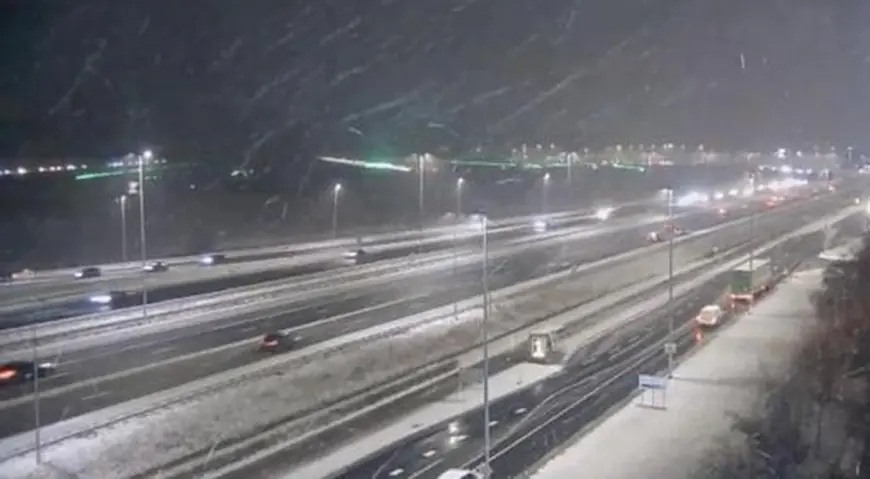
Bucharest Flights are drawing renewed attention as snowstorms and strike action combine to cause widespread cancellations and delays across Europe, disrupting travel at major hubs and sending ripple effects through the continent’s network. The scale of disruption — from short-haul regional services to long-haul international routes — has left passengers confronting missed connections, lengthy waits and urgent rebooking decisions.
Development details
Over a two-day period, snow and labour action disrupted operations across Europe. The disruption included more than 700 cancelled flights and in excess of 5, 000 delayed services across the network on February 15 and 16, 2026, as a band of snow moved across Benelux into Germany and as airline staff staged a coordinated walkout. Amsterdam Schiphol was among the hardest hit: roughly half of its scheduled services for one of the days were either delayed or cancelled, and partial tallies at the airport showed more than 100 departures and nearly 100 arrivals cancelled by early evening on the first day of the storm.
At Schiphol, one carrier recorded dozens of cancellations on both short-haul and long-haul sectors. Sample flight-level cancellations included specific long-haul and regional services originating at Amsterdam Schiphol and connecting to destinations such as Cairo and Atlanta, and short-haul rotations between Amsterdam and Vienna. Paris Charles de Gaulle implemented a 30% reduction in flight movements, with nearly 200 cancellations reported across French airports overall, while Paris Orly also reduced its schedule significantly. In the United Kingdom, major London airports recorded both cancellations and hundreds of delays as operations were scaled back and ground movements were restricted by weather conditions.
Bucharest Flights and context and pressure points
The current wave of disruption traces to two converging pressures: severe winter weather and concentrated labour action. Snow and icing rendered runways and ground operations difficult at many airports, prompting authorities to scale back movements to maintain safety. At the same time, a strike by pilots and cabin crew grounded a large tranche of services at one major carrier, compounding the operational strain and creating a domino effect of missed aircraft rotations and crew shortages across connecting networks.
What makes this notable is the timing: the disruptions struck during a period of high travel demand when airlines are running tight schedules with limited buffers. That combination magnified ordinary ripple effects, turning isolated cancellations into system-wide delays that reached beyond the named hubs to affect travel across Spain, the United Kingdom, the Netherlands and other parts of Europe. Passengers booked on Bucharest Flights and those routing through affected hubs face heightened risk of missed connections as aircraft and crews are displaced from planned schedules.
Immediate impact and forward outlook
Passengers have experienced several predictable consequences: missed connections and onward flights, long waits at terminals, and the administrative burden of rebooking or pursuing refunds. Regional carriers cancelled both domestic and international services in affected countries, and several major airlines curtailed short-haul rotations more heavily than long-haul sectors in an attempt to preserve critical international links.
Industry guidance for travellers in the immediate term is to monitor live cancellation feeds and contact airline customer service promptly to secure rebooking or refunds where eligible. Ground operations and recovery efforts are already under way at multiple hubs; the next confirmed milestones will be airport capacity restorations as weather conditions ease and as carriers complete recovery rotations to return aircraft and crew to scheduled cycles. The matter remains under review where labour disputes are concerned, and airlines are managing aircraft and crew positioning to limit further knock-on effects.
The broader implication is clear: a combination of concentrated weather events and coordinated labour action can swiftly degrade hub resilience and spread disruption across a continent’s network. For travellers on Bucharest Flights and other routes, the practical takeaway is immediate and operational: maintain situational awareness, engage with carriers early, and expect recovery to proceed in phases as airports and airlines re-establish normal schedules.