





















Alexandra Daddario and Andrew Form Split After 3 Years of Marriage, Will Continue to Co-Parent

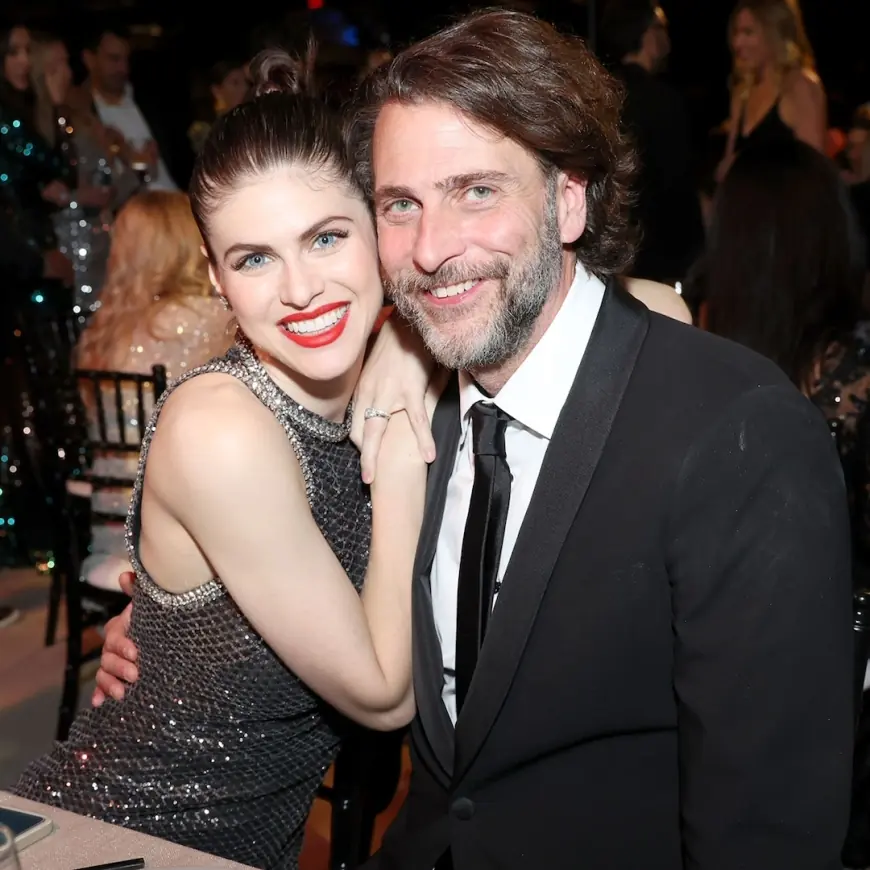
Alexandra Daddario and film producer Andrew Form have made the decision to end their marriage, the couple's representative said in a Feb. 20 statement. The announcement matters now because the two framed the separation around a shared commitment to raise their young child and to protect the family’s privacy as they move forward.
Development details: Alexandra Daddario and Andrew Form end their marriage
In a Feb. 20 statement, the couple’s representative said, "Alexandra Daddario and Andrew Form have made the decision to end their marriage" and that "the decision was made with love and respect. " The statement added that the Percy Jackson actress and the A Quiet Place producer will "continue to co-parent their child together and appreciate privacy as they navigate this transition. "
The couple had been married three years. Alexandra Daddario is 39 and Andrew Form is 57. They share a 15-month-old son. Form is also the father of two older sons, ages 12 and 9, from his prior marriage.
Context and pressure points
The couple first met during the COVID-19 pandemic, when they crossed paths on a walk in New York City and later began dating. Months after that encounter, Alexandra Daddario recalled adding "a little romantic twist" to the meet-cute and described the marriage that followed as having been "great. " She has spoken publicly about wanting to be a mother and to marry, saying she was not afraid of monogamy or settling down.
Those public reflections framed how the relationship was presented during its course: as a personal partnership that quickly advanced to marriage and parenthood. What makes this notable is the couple’s blunt emphasis on mutual respect and a unified approach to parenting in the announcement, rather than assigning blame or airing details of the split.
Immediate impact
The most immediate and concrete effect of the separation will be on the family unit. Their 15-month-old son is explicitly identified by the couple’s statement as a shared parenting responsibility that both intend to prioritize. Form’s older children are also directly implicated as members of the family who will be affected by the new arrangements.
Beyond household dynamics, the announcement signals a desire for discretion: the representatives asked for privacy while the family adjusts. That request frames the public response and sets expectations for how the parties plan to handle future communications about the separation.
Forward outlook
The confirmed next steps are limited and specific. The couple has stated that they will continue to co-parent their child and have asked for privacy as they navigate the transition. There are no further public milestones or proceedings detailed in the statement.
Given the statements provided, the immediate timeline centers on family arrangements rather than legal or professional developments. Observers can expect future confirmations only if the parties or their representatives choose to disclose additional details; until then, the publicly stated priorities are co-parenting and privacy.
The broader implication is that, for public figures whose personal lives draw attention, framing a separation around parenting and respect can shape public reaction and limit intrusive coverage. For this family, the near-term focus will be private and practical: managing parental responsibilities and protecting the children through the transition.