

















Brady Tkachuk and the Hughes’ Olympic Moment: Jack and Quinn Embody 'Olympic Spirit' as U.S. Men Reach Semifinals

brady tkachuk is not the focus of this update; the confirmed developments center on Jack and Quinn Hughes at the Olympic Winter Games in Milan Cortina 2026 and their parents’ active roles supporting Team USA. The Hughes family’s involvement has become a notable part of the Olympic story because of on-ice contributions and off-ice mentorship.
What happened and what’s new
Confirmed details from coverage of the Olympic tournaments show that Ellen Hughes served as a consultant for the U. S. women’s hockey team, which captured a 2-1 overtime win to take the gold medal. Her role and presence were noted alongside active support from her husband, Jim Hughes, who has been attending games and helping players prepare through summer skates and development work.
On the men’s side, brothers Jack and Quinn Hughes are both on the U. S. roster. In the quarterfinal win against Sweden, Jack and Quinn combined on the opening goal and Quinn finished the game with the overtime winner that propelled the U. S. into the semifinals. Quinn has been a leading contributor over the tournament so far, and Jack has also been a consistent presence on the scoresheet.
The U. S. men were scheduled to face Slovakia in a semifinal match at Santagiulia Arena on Friday at 3: 10 p. m. ET. Jim and Ellen have been moving between men’s and women’s team events, supporting family and other players during the Games.
Brady Tkachuk: scope and absence from this update
- brady tkachuk is not mentioned in the available coverage that forms the basis of this article.
- This article limits itself to confirmed reporting about the Hughes family, Team USA’s progress, and the roles Jim and Ellen have played at the Olympic venue.
Behind the headline
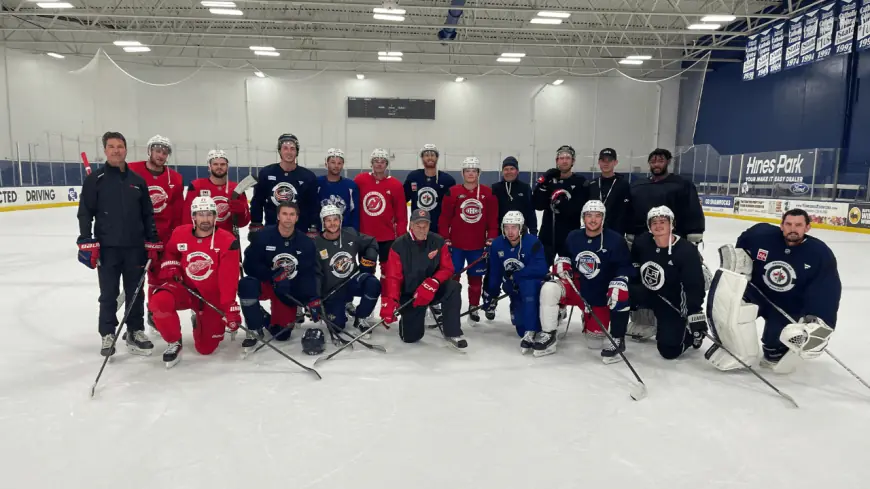
The confirmed context shows a family deeply integrated into elite hockey preparation and Olympic competition. Jim Hughes runs summer skates at a U. S. rink used by many high-level players and holds a development role that connects him to numerous NHL players. The family hosts and trains players in off-season settings, and that network has included a core group of regular attendees who have trained together in the summers.
That environment appears to have translated to tangible on-ice results: the brothers’ chemistry was a feature in the quarterfinal and their contributions helped advance the team. Ellen’s work with the women’s program coincided with that squad’s tournament-winning run, completing a family sweep of meaningful involvement at the Games.
What we still don’t know
- Whether any additional family members will be involved in future team activities beyond the current Games.
- Detailed plans for Jim’s ongoing development programs and how they will adapt after the Olympics.
- Any further roster changes or injury updates for the U. S. men that might affect the semifinal lineup.
- Longer-term implications for players who trained with the Hughes family over the summer.
What happens next
- U. S. wins semifinal and advances to the medal round — trigger: victory in the scheduled semifinal match.
- U. S. loses semifinal and plays in a placement game — trigger: defeat in the semifinal match.
- The Hughes family’s off-ice programs gain renewed attention and player participation — trigger: visible post-Olympic interest from players who trained with them.
- Ellen and Jim maintain dual roles across men’s and women’s programs at future tournaments — trigger: formal invitations or appointments to consultative or developmental positions.
Why it matters
Near-term, the brothers’ performances affect Team USA’s medal prospects and the narrative around the tournament. Family involvement in player development highlights how off-ice mentorship and summer training can produce on-ice results at major events. For players who shared summer skates and preparation time with the Hughes family, the Olympics function as both an immediate competitive stage and a showcase of development pathways that feed into national-team performance.
At the organizational level, confirmed links between development work and Olympic performance can influence how national programs and professional organizations view summer training approaches and informal mentorship networks. For fans and observers, the Hughes story frames an Olympic subplot in which preparation, family support and cross-team collaboration have visible outcomes in high-stakes games.