



















Wes Rucker’s Death Reverberates Across Tennessee’s Sports Community

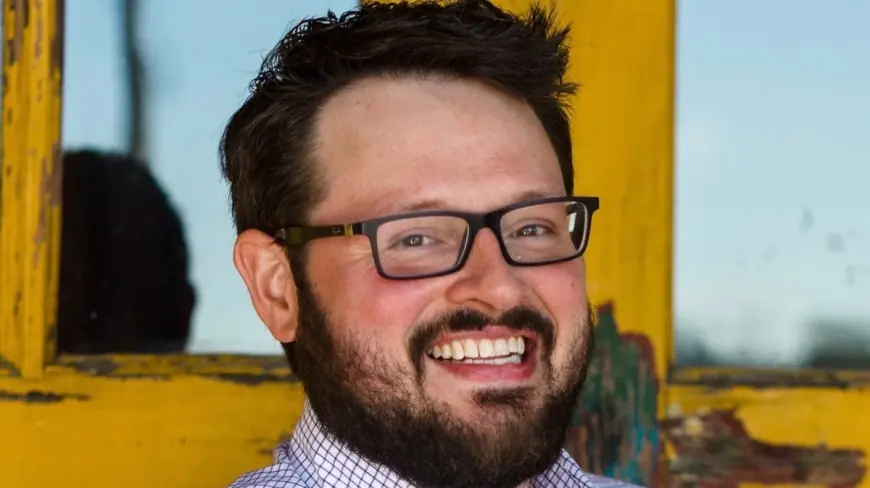
Who feels the loss first: a young family preparing for a new child, longtime Vols followers who trusted his coverage, and the local sports media that leaned on his voice. sports reporter wes rucker was 43 when he died in a multivehicle crash in Knoxville; the human ripple from that single highway collision is immediate and personal, not just another line in a newsroom log.
Impact on fans, family and local reporting: Wes Rucker’s reach and the immediate fallout
Fans who followed Tennessee athletics and the people who relied on his reporting will feel the practical gap first: game coverage, podcast episodes and the regular social-media banter that built a community are suddenly paused. His wife, Lauren, his son, Hank, and the baby girl the family announced they were expecting in May are the closest and most immediate circle affected. Community grief has already shown up publicly, and outlets and colleagues have shared condolences.
Here’s the part that matters: Rucker’s role was more than bylines. He hosted shows and podcasts, chronicled personal struggles publicly and cultivated a large online following, which made him one of the connective figures between the University of Tennessee programs he covered and their fans. That network of relationships means the practical consequences will include gaps in local coverage and a sustained period of memorials and remembrances.
Crash details and the investigation
The fatal collision occurred on Interstate 40 West near Cedar Bluff. Police say the crash began when a driver rear-ended a stopped vehicle, setting off a chain reaction that ended with a large pickup running over one of the cars. Rucker was the only person killed in the multivehicle wreck and was pronounced dead at the scene. Law enforcement is investigating the circumstances of the collision.
What’s easy to miss is how public health history shaped the way he covered and connected with readers: he had previously experienced a stroke and shared that recovery publicly, which deepened many followers’ attachment to his work and life updates.
- Rucker had covered Tennessee athletics since 2000, beginning while he was a student covering the Vols for the campus paper.
- He chronicled a serious health scare in 2015 and shared the recovery process with his audience.
- He worked across local and regional sports media and most recently served as a writer and host at a Knoxville television station.
- On Dec. 31 he announced to his roughly 140, 000 followers on social media that he and his wife were expecting a baby girl in May; his son Hank was also named in that announcement.
Micro timeline (select points):
- 2000 — Began covering the Vols as a student for the campus newspaper.
- 2015 — Suffered a stroke and documented recovery while continuing to work.
- 2025 — Took a role with a Knoxville television station to continue covering his alma mater.
- Feb. 19 — Died in a multivehicle crash on I‑40 West near Cedar Bluff; he was 43.
Below are practical takeaways for readers trying to parse what changes now and who will be affected:
- Newsrooms and fan communities will need interim voices to cover beats he handled; expect abbreviated coverage while roles are reassigned.
- Family logistics and memorial plans will shape the next public communications; community fundraisers or tributes are possible as fans organize.
- Long-term, public conversations about roadway safety on that stretch of I‑40 may emerge as investigations continue.
- His documented recovery from a prior stroke gave many followers a personal connection to his work; that relationship will shape how remembrances are shared.
The real question now is how the local sports reporting ecosystem recalibrates: which programs and contributors will step into daily duties, and how the community preserves the mix of personal storytelling and beat reporting he practiced. If you’re wondering why this keeps coming up in conversations beyond the obituary, it’s because he built a habitual presence across multiple formats—print, radio/podcast and social posts—that won’t be replaced overnight.
Writer’s aside: The bigger signal here is how a single reporter’s voice can knit together a fanbase and a local institution; when that voice disappears suddenly, the loss is both emotional and operational for outlets and readers alike.