




















Kawhi Leonard’s surge hands immediate pressure to the Clippers’ roster and front office

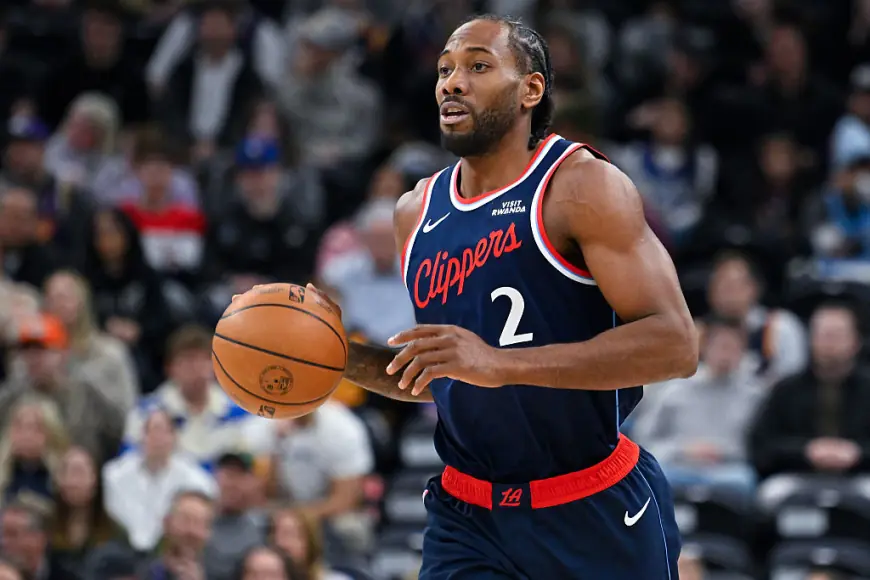
The players and decision-makers who feel this most right away are the Clippers’ rotation pieces and executives; Kawhi Leonard is carrying an outsized share of outcomes on the court, and his availability and efficiency will shape whether the club can salvage a postseason push. Leonard’s season scoring mark and recent hot stretch have kept the Clippers competitive while roster changes have redistributed responsibilities and risk.
Impact: Kawhi Leonard’s form shifts the immediate burden—and who must respond
Kawhi Leonard is posting the highest points-per-game figure of his career this season (27. 9), and he’s taken on heavier responsibilities since the trade deadline, including a short hot run where he averaged 30. 7 points, 8. 8 rebounds and 4. 0 assists over five games. That combination—sustained season-long scoring and a higher-volume recent burst—means bench players, new acquisitions and the front office face immediate pressure to supply the support that Harden and Zubac once provided.
Here’s the part that matters: if Leonard remains available and efficient, the Clippers still have a plausible path into the play-in picture; if he misses time or the supporting pieces don’t adapt, the team’s margin for error will shrink rapidly.
How the deadline moves reshaped the lineup and the competitive picture
The roster changes at the trade deadline removed two established pieces and brought back younger, less-proven options. The club traded away two veterans and added a younger point guard who has struggled with toe issues and a wing who has only appeared in two games so far for the team. Those moves have consequences on both ends: the offense dipped without the departed creator—offensive rating sitting in the bottom tier—while the defense has improved markedly, ranking among the league’s best in the immediate post-deadline stretch.
On the standings front the Clippers sat near the play-in cut at the All-Star break with a sub-. 500 record and roughly three dozen games left to alter their fate. Betting lines reflect uncertainty about their playoff chances, and the team’s remaining schedule has been described as favorable, which gives them leverage if Leonard keeps producing at elite efficiency (. 491/. 383/. 912) and stays healthy.
There’s also an external roster risk: a pending league investigation tied to an organizational arrangement could produce penalties ranging from draft-pick losses and fines to contract consequences for a key player if certain findings materialize. That off-court cloud raises the stakes of every on-court swing over the stretch run.
What’s easy to miss is that the Clippers’ net team rating improved in the immediate string of games after the deadline, even as offensive output lagged; fewer losses masked deeper structural shifts that need resolving.
- Clippers record at the All-Star break: 26–28, with 27 games remaining.
- Post-deadline short stretch: team went 3-1 with about a +4. 7 net rating; offense ranked low while defense ranked near the top in that span.
- Newly acquired point guard has battled toe injuries and has limited availability so far; new wing has only two appearances with modest efficiency.
- League investigation into a team arrangement is expected to conclude soon and could carry roster or draft penalties.
Key takeaways:
- Leonard’s scoring and efficiency have kept the Clippers afloat; his availability is the single biggest variable for their playoff chances.
- Roster changes have improved defense but created offensive shortfalls that others must fill quickly.
- Young newcomers need time to gel—if they accelerate integration the team’s favorable remaining schedule could matter more.
- Off-court investigation outcomes could alter front-office options and roster flexibility down the stretch.
If you’re wondering why this keeps coming up: the combination of elite individual production, roster turnover and a looming investigation compresses uncertainty into the final weeks of the season—every result now has amplified consequence.
The real question now is whether bench and new starters can shoulder consistent offensive load while maintaining the defense that has recently lifted the team. Signals that will confirm a positive swing include steady scoring from the newly inserted pieces and the return to higher offensive efficiency without sacrificing defensive performance; conversely, continued offensive malaise or any prolonged absence by Leonard would deepen the urgency for organizational intervention.
Overall, the immediate impact of Kawhi Leonard’s output is unmistakable: it keeps the Clippers in play but hands a clear, high-stakes test to teammates and executives alike as the season moves toward its decisive weeks.