

















Mlb Offseason Verdict: Final Grades, Biggest Winners and Losers After the 2026 Winter

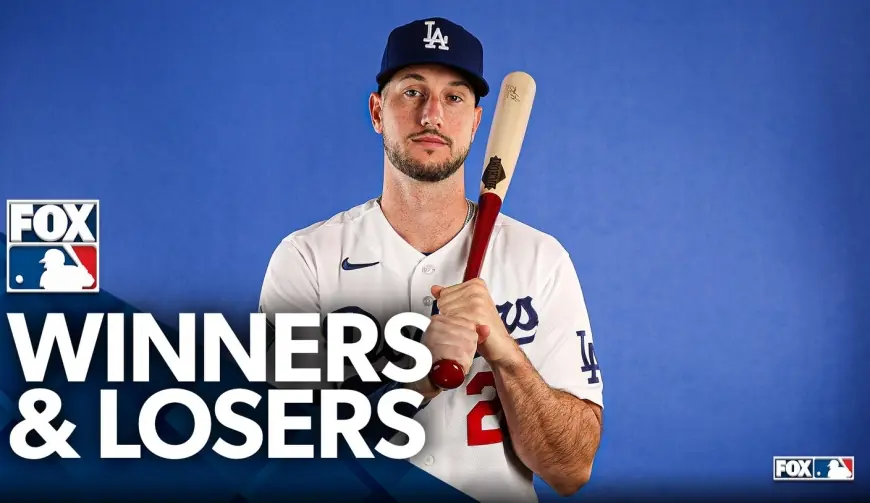
The mlb offseason has largely closed with rosters set and clear winners and losers emerging, highlighted by blockbuster signings, high-profile departures and a record arbitration outcome that could influence future player pay. With spring training under way, teams are entering the season carrying the consequences of a decisive winter of moves.
What happened and what’s new
Confirmed developments from the winter include major free-agent signings, notable trades and a landmark arbitration ruling. Key facts:
- The Dodgers added an elite closer on a three-year, $69 million contract and also acquired a top-tier outfielder in a separate move, joining a recent pattern of high-profile additions while carrying a payroll described in the context as north of $400 million.
- An American League club that missed the postseason last year finished with 87 wins; one projection placed that team back to 81 wins for the coming season, and internal roster alignment left one veteran position player potentially expendable with a trade before Opening Day still possible.
- An arbitration case produced a record-setting outcome: a pitcher in his final arbitration year secured a $32 million salary for 2026, a sum described as the highest in the arbitration system and framed as creating new leverage for similarly situated players as they approach free agency.
- Other notable roster work included a team signing a five-year, $155 million deal for a middle-of-the-lineup slugger; another club signed a five-year, $175 million infielder and complemented that move with rotation and bullpen additions; multiple clubs also reshuffled pitching staffs and depth pieces across the winter.
- The offseason still allowed for limited activity: a small pool of free agents remained available and surprise trades could occur during spring training, but most heavy lifting was complete.
Behind the Mlb headline
Context and incentives driving these moves were straightforward where confirmed. Teams with recent championships continued to spend aggressively to protect a winning roster configuration, addressing perceived weaknesses with premium talent. Clubs that underperformed sought to retool through multiple signings and trades aimed at upgrading rotation depth, the bullpen and middle-of-the-order power. For some teams, the winter was characterized more by preservation than overhaul; for others, it was a wholesale reset.
Stakeholders are clear: championship-contending clubs use payroll flexibility and market pull to add elite players and shore up late-inning bullpen needs; rebuilding or retooling clubs pursue core bats and rotation answers to accelerate turnaround timelines; players approaching free agency or arbitration leverage strong outcomes to alter their market trajectory.
What we still don’t know
- Whether the position-player trade options mentioned during roster realignments will materialize before Opening Day.
- The final destination, if any, for the veterans described as possible trade candidates.
- How the teams that made multiple mid-level additions will perform relative to preseason projections.
- The longer-term market effects of the arbitration record on future salary hearings and free-agency pricing.
- The potential late winter or spring training trades involving the small remaining pool of free agents.
What happens next
- Limited preseason trades: Teams with expiring roster congestion could move a veteran before Opening Day; the trigger would be a clear surplus at a position or an attractive trade offer.
- Rotation and bullpen adjustments: Some clubs may adjust roles or add depth from remaining free agents if spring workloads expose weaknesses; injury or uneven performance would prompt those moves.
- Salary-market ripple effects: Arbitration precedent could affect upcoming hearings and contract negotiations; subsequent arbitration cases will test whether the new ceiling is repeatable for similar players.
- Unexpected spring training transactions: A handful of surprise trades remain possible, with activity most likely if a contending club identifies a late need or a seller decides to move salary before the deadline for roster cuts.
Why it matters
Near-term, these confirmed offseason outcomes reshape competitive pecking order, bullpen reliability and lineup balance across the league. Adding established closers and middle-of-the-order sluggers directly affects late-inning outcomes and run production; arbitration breakthroughs change negotiating leverage for high-performing, pre-free-agency pitchers. For fans and markets, the winter’s moves create clearer favorites and longer odds for clubs that remained passive. Over the medium term, payroll commitments and arbitration precedents will influence roster construction, trade calculus and how teams allocate resources in future offseasons.
As spring training progresses, attention will narrow to how additions perform, whether remaining trades occur and how arbitration-era dynamics play out in contract talks. The mlb season will begin with many questions answered and a few critical ones left to be decided on the field.