












Alysa Liu Mother: A Carefree, Joyous, Gold-Medal Performance Proves There’s No One in Figure Skating Like Her

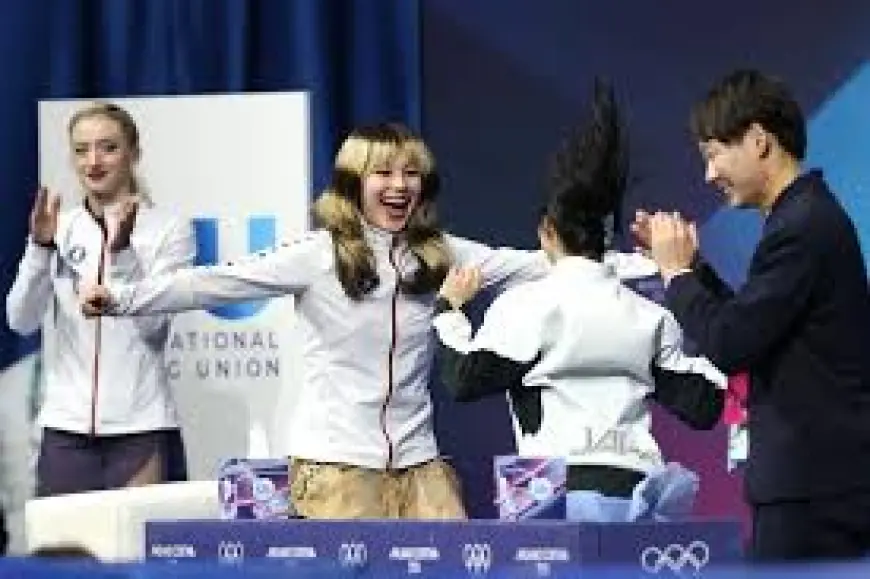
Alysa Liu trusted her artistry in her Olympic free skate, delivering a carefree, joyous, gold-medal performance that underscored why there is no one else in the sport quite like her — and while personal queries such as alysa liu mother emerge around public figures, this article remains focused squarely on the documented performance and its significance.
Alysa Liu Mother: Personal Details Not Included in This Performance Report
This piece analyzes Liu's on-ice return and artistic approach; it does not provide personal family information. The reporting here is limited to the elements of her Olympic free skate and what those elements suggest about her skating style and competitive outlook. Questions framed as alysa liu mother fall outside the scope of the performance-focused material presented.
Why Her Olympic Free Skate Felt Different
At 20, Liu returned to competitive skating on her own terms after an earlier retirement and approached the Olympic free skate with a renewed focus on joy and self-directed expression. Her free program at the Milan-Cortina Games unfolded as a study in fluidity: she moved with looseness and buoyancy, at times appearing nonchalant while clearly caring about the performance itself. That orientation toward self-pleasure in performance, rather than pure competitive angst, distinguished the program.
The program opened to the notes of a disco-influenced suite, and Liu began by resting one hand on its opposite shoulder and smiling in anticipatory amusement. Her trademark fluidity allowed a softness to buffer her power: jumping passes propelled her spinning body into the air and she landed with open arms and expressive hands, turning technical elements into gestures within a broader movement narrative.
Choreographically, Liu painted the ice with serpentine patterns and deep gliding edges. Her ponytail — described in the coverage as a striped work of art — punctuated the motion of her lines. Playful touches, such as a flick of the hand before a double axel, and a footwork sequence that leaned into the propulsive disco beat, reinforced the sense that Liu skated to perform rather than merely to execute elements.
She included striking transitional moments: sliding moves that alternated between a forward-kneed slide with a deep back arch and a two-knee spin in which she grabbed the sides of her hair and rolled her head with abandon. The program closed with a layback spin followed by a Biellmann finish that served as an exclamation point, emphasizing expressive finish over a final technical escalation.
What This Performance Means for Figure Skating
Liu’s victory at the Olympics and the way she skated in the free program offered an alternative template for elite competition: artistry driven by personal joy rather than being consumed by competitive pressure. That orientation stood in contrast with the emotional toll noted in the wider field, where other athletes experienced visible struggles. Liu’s approach suggested that a performance rooted in self-expression can coexist with top competitive results.
While this coverage centers on the documented features of her skating and the broader implications for how artistry and sport intersect, it intentionally does not extend beyond those facts to offer personal family details. The focus remains on what Liu’s skating revealed about motivation, movement, and how a free skate can connect with an audience.
Schedule and follow-up items tied to Liu’s competitive future were not part of the material examined here; the emphasis is placed on the gold-medal free skate as a defining, joyous statement about artistry on ice.