















Gus Kenworthy Faces Death Threats After Anti‑ICE Post — Who Feels the Impact First

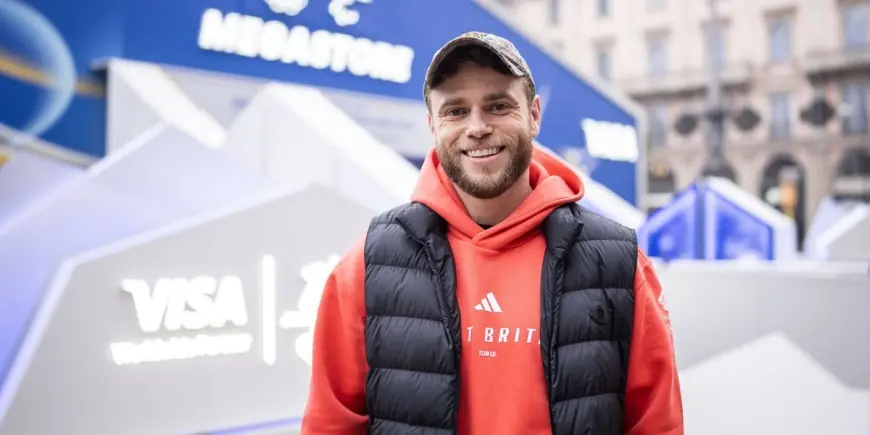
Why this matters now: gus kenworthy’s social post about Immigration and Customs Enforcement landed him violent threats just days before competition, and the fallout landed quickest on his own safety and the mood inside the Olympic field. That immediate pressure changes how an athlete prepares and how teammates and observers interpret political expression during high‑stakes sport.
Gus Kenworthy — immediate effects on the athlete, peers and public debate
The direct impact was personal security and emotional strain: following an Instagram image that included an expletive before the word ICE, kenworthy received death threats he described as violent, scary and homophobic, though he also said he treated those messages with a measure of skepticism. Beyond the athlete himself, the episode intensified attention on other competitors who had criticized immigration enforcement, and it intersected with protests that had erupted after two people in Minnesota were killed by immigration agents.
Here’s the part that matters for readers and teams: athletes who speak about divisive policy can shift attention from competition to controversy, forcing national delegations and event organizers to manage both performance and security. The ripple is tangible for fans and for communities protesting immigration enforcement, since the Instagram post referenced the agency at the center of national demonstrations.
What’s easy to miss is that Kenworthy’s choices arrived amid broader career transitions: he has moved between national allegiances and has returned to elite competition after a prior retirement, which makes his public profile and the stakes of criticism larger than they would be for a less prominent athlete.
Event details and athletic context
Key, verified facts from the coverage are straightforward. The image was shared on Instagram about a week before Kenworthy was due to compete at the Winter Olympics in Italy. He is competing at his fourth Olympics and finished sixth in the halfpipe final; that event was won by Alex Ferreira, who completed his set of Olympic medals with a gold. Another competitor who had also spoken against the actions of ICE placed tenth and had earlier made a visible hand gesture in response to a public criticism from the U. S. president.
- Career timeline (concise):
- Won silver in ski slopestyle at the Sochi 2014 Games.
- Switched allegiance to Team GB in 2019.
- Retired in 2022, then decided last May to return and later qualify for the British team.
- Competing at his fourth Olympics and finished sixth in the halfpipe final.
If you’re wondering why this keeps coming up: the post touched a flashpoint — deaths in Minnesota involving immigration enforcement had already provoked nationwide protests, and Kenworthy’s post directly referenced that agency. That link amplified the reaction and brought threats into the public sphere at an Olympics where attention is already intense.
Beyond the immediate facts, the most consequential angles are forward‑looking. Threats aimed at a visible athlete can prompt more stringent security measures, alter an athlete’s mental preparation, and change the tone of interactions among competitors who are also politically outspoken. Those dynamics can shift how national teams approach athletes who voice political beliefs while competing.
Small snapshot: protesters had mobilized after two Minnesota residents were killed during actions by immigration agents; that unrest framed public responses to the Instagram image. Kenworthy described the threats as difficult to read but said he took them with a grain of salt while continuing to compete.
Final signals to watch for that would confirm a next turn include any official adjustments to athlete security at events, further public statements from competing athletes about enforcement actions, and whether similar incidents change how high‑profile athletes balance activism with competition. The real question now is whether elite sport will increasingly be a venue for such flashpoints, and how organizers and teams will adapt.
Writer’s aside: It’s easy to overlook that these incidents pile on to an already complex career arc — switching teams, returning from retirement and carrying a high public profile make every decision more consequential for both performance and perception.