
























Chicago Bears Moving To Indiana Would Shift Stadium Leverage — Illinois Faces a Deadline

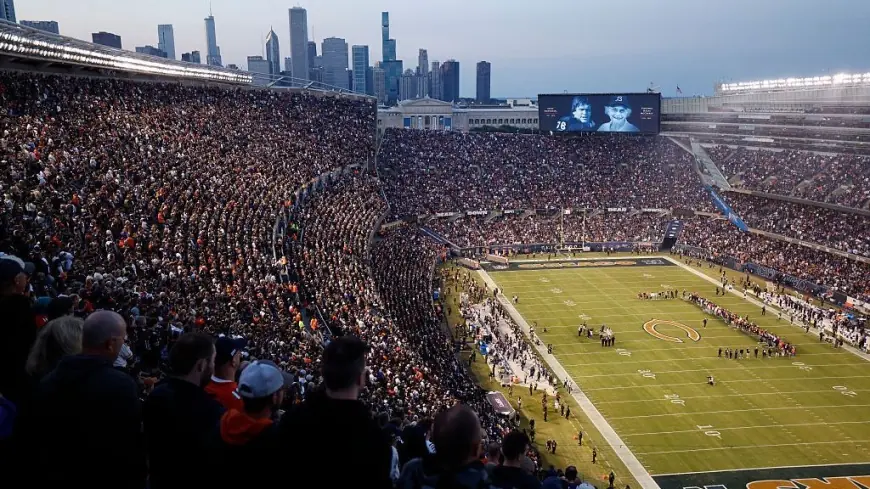
The push by Indiana lawmakers to create a path for a Hammond stadium makes the possibility of Chicago Bears Moving To Indiana an immediate bargaining pivot: it hands momentum and negotiating tools to a neighboring state and compresses the window for Illinois leaders to finalize their counterproposal. The Bears have signaled the Indiana action is a meaningful step forward while Arlington Heights officials insist the suburb remains under consideration.
Chicago Bears Moving To Indiana: Consequences for negotiations and timing
Here's the part that matters: the committee action in Indiana was unanimous and establishes an institutional vehicle—able to issue bonds, acquire land and finance construction—that did not exist before. That framework reduces one major legal barrier and gives Indiana a concrete path to negotiate site-specific terms. For Illinois, the practical consequence is urgency; a canceled Illinois committee hearing and ongoing tweaks to state legislation leave momentum vulnerable.
- The new Indiana framework narrows how much groundwork the Bears still need to clear before formal talks for Hammond can proceed.
- Arlington Heights officials say the Bears have not closed the suburb out, so multiple tracks remain active.
- The Bears have previously sought large public infrastructure commitments tied to a new stadium site that Illinois legislation was intended to address.
What’s easy to miss is that the Bears’ current lease at their existing downtown stadium extends well into the future, which preserves flexibility for both a protracted negotiation and a deliberate construction timeline.
Event details and the current standoff
Indiana’s state House committee approved an amendment to a state bill with a unanimous vote that would create a Northwest Indiana Stadium Authority empowered to issue bonds, acquire land and finance stadium construction in Hammond near the Wolf Lake area. State leadership identified a promising site near Wolf Lake that straddles the Illinois–Indiana border and lies along Interstate 90; the location sits on Chicago’s southeast side and in Hammond, northwest Indiana.
The team has characterized the action as the most meaningful step forward in its stadium planning efforts, and state leadership framed the amendment as establishing a broad framework for negotiating a final deal—contingent on site-specific due diligence. On the Illinois side, a planned hearing on legislation that would let the team negotiate property-tax arrangements was canceled after lawmakers and team representatives continued talks, and that hearing has been rescheduled.
The Bears previously purchased a large parcel in Arlington Heights and outlined plans that include a multibillion-dollar stadium investment while seeking hundreds of millions in local public funding for infrastructure improvements tied to a proposed Arlington Heights development. Local village officials say the team has reassured them that Indiana developments do not indicate a final decision on site location.
The real question now is whether Illinois leaders will align swiftly enough on a competing offer and statutory framework that addresses the team’s infrastructure requests and political concerns.
- Key signals that will indicate which direction gains ground: clear legislative language in either state, completed site due diligence, and firm timelines for hearings or bond authorizations.
- Stakeholders closely affected: local governments near proposed sites, commuting fans in the region, and entities responsible for infrastructure tied to any public funding ask.
- Negotiation leverage has shifted; a state-backed authority in Indiana provides tools Illinois does not currently mirror.
Micro timeline (public steps referenced):
- A state committee in Indiana voted unanimously to advance a stadium framework amendment.
- Local and state officials in Illinois held multi-hour discussions with team representatives as Illinois legislation was being adjusted.
- An Illinois committee hearing tied to the Arlington Heights proposal was canceled and later rescheduled.
The bigger signal here is how fast either side can turn legislative framework into negotiable terms that meet the team’s infrastructure expectations. If Illinois cannot coalesce quickly around a comparable, site-specific package, the Hammond path becomes materially easier to complete.
Decisions remain dynamic and details may evolve as due diligence and legislative processes continue.