

















Keith Tkachuk’s School of Hard Knocks: How a Two-Year Household Helped Forge the Quinn Hughes–Brady Tkachuk Bond

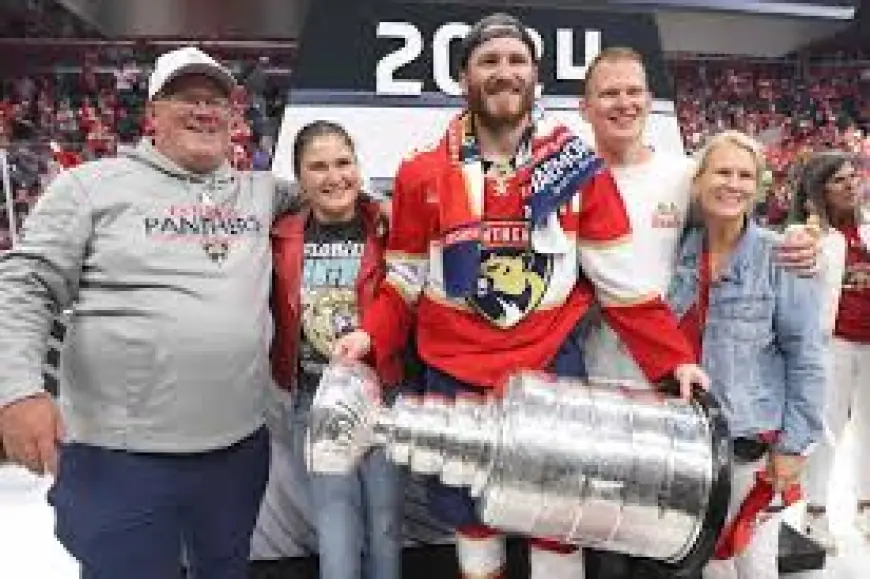
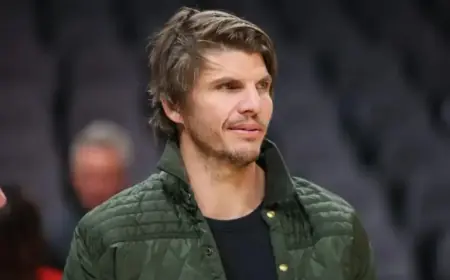
The household hospitality of former NHL player keith tkachuk became an unlikely training ground for two future stars. New coverage traces how keith tkachuk hosted teenage teammates in a rented Ann Arbor townhouse for two seasons, a period that helped shape Quinn Hughes and Brady Tkachuk as players and as friends.
What happened and what’s new
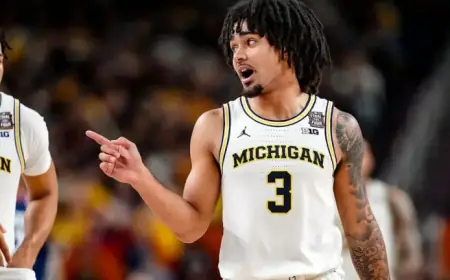
Quinn Hughes and Brady Tkachuk lived and trained together as teenagers while playing in the U. S. National Team Development Program. For two seasons they shared a townhouse that the Tkachuk family rented in Ann Arbor, Michigan, and the living arrangement included time spent in the top-floor kitchen and living room watching and dissecting NHL and college games. The trio called themselves "The Three Amigos. "
During that period the younger players were about 15 years old and one of the memorable elements of their day-to-day life was informal mentorship: keith tkachuk taught one of the teenagers how to drive before either had obtained a driver’s license. The arrangement lasted most of the 2015-16 and 2016-17 seasons, with Keith present much of the time and family members stepping in when he had to travel for work.
All three men are now established at the highest levels of the sport. Quinn Hughes and Brady Tkachuk have reached the National Hockey League and represented the United States at the Olympics. A relative of the family highlighted Keith’s blunt manner, describing him as unfiltered and authentic. Those two seasons in Ann Arbor are credited with creating a lasting friendship and leaving enduring impressions on the young players.
Behind the headline: Keith Tkachuk and the 'school of hard knocks'
Keith Tkachuk framed his role in candid terms, saying he put one of the teenagers through what he called a "school of hard knocks, " an approach that combined tough mentoring with everyday household life. As a four-time Olympian with a notable scoring record among U. S. -born players, Keith brought a high-performance perspective to a domestic setting: evenings routinely included watching games together while he broke down plays much like a film session.
Household dynamics were informal but structured around hockey preparation. Brady lived with his father already and was accustomed to the environment; Quinn lived with Brady and Keith and benefited from daily contact with a former elite player. Family members and the teenager’s parents supplemented supervision when needed, indicating a collaborative approach to balancing mentorship, schooling and elite-level training.
What we still don’t know
- Whether specific coaching methods or drills used in the townhouse directly influenced particular aspects of either player’s game.
- The full scope of day-to-day rules, routines or disciplinary approaches inside the household beyond general descriptions of mentoring and film review.
- How much of the personal chemistry from those years has influenced current professional decisions for the players involved.
- Details about other household participants’ roles on days when Keith was away for work.
What happens next
- Continued public reflection: The players and family may offer further reminiscences that deepen understanding of how the arrangement shaped development; additional interviews could follow.
- Recognition of influence: Teams, coaches or commentators might cite the living arrangement as part of broader narratives about player development pathways for U. S. talent.
- Potential formalization: Observers could push for clearer case studies on the role of billet-style household mentorship in youth hockey programming, prompting analysis or discussion among development stakeholders.
- Private outcome: The relationship may remain primarily a personal anecdote that informs locker-room chemistry and public storytelling without broader institutional change.
Why it matters
Near-term, the account underscores how familial and informal mentorship can intersect with elite youth sports to shape both performance and personal bonds. For fans and talent developers, the story highlights a nontraditional but tangible influence on two players who advanced to the NHL and to Olympic competition. It also illustrates how everyday household life—shared meals, driving lessons, game-watching sessions—can contribute to skill development and to relationships that endure into professional careers.
At a practical level, the vignette prompts questions about supervision, parental roles and the responsibilities of former professionals who host developing athletes. For stakeholders tracking U. S. player development, the arrangement offers an example of mentorship occurring outside formal coaching structures, with potential implications for how talent pipelines consider off-ice influences on maturation and performance.