





















Hilary Knight’s final Olympic surge reshapes Team USA’s roster and the next generation of players

Why this moment matters: hilary knight’s record-setting goal in the gold-medal match and the dramatic overtime finish do more than cap a career — they alter the expectations for veterans, lift the profile of young U. S. skaters, and give coaches a clear template for pressure play in clutch moments. hilary knight’s performance arrived at the instant most likely to be copied and taught to the next wave of players.
How Hilary Knight’s finish changes who leads and how the team will be measured
The immediate impact lands on teammates, youth programs and coaching staffs who now have a recent, vivid example of late-game execution and leadership under pressure. Veteran players reinforced their roles as on-ice decision-makers in tight games, while younger skaters who logged heavy minutes can point to a concrete passing-of-the-torch sequence: an experienced scorer creating the tying goal, followed by a defenseman finishing the job in overtime.
Here’s the part that matters: the gold-medal sequence combined a high-pressure deflection and a 3-on-3 overtime finish, which converts late-game strategy into teachable moments for both elite and grassroots levels.
- Coaching emphasis will likely shift toward late-game situational drills that replicate a pulled-goalie, deflection and quick transition to 3-on-3 attack.
- Youth programs and aspiring players will see a blueprint in how a veteran goal can catalyze a comeback and set up a sudden-death finish.
- Goaltending standards are highlighted by the final’s performance and tournament numbers, creating a benchmark for future netminders.
- Defensive structure that allowed only two goals in the tournament is a concrete performance metric for comparison with past elite teams.
Game details and verifiable milestones from the final
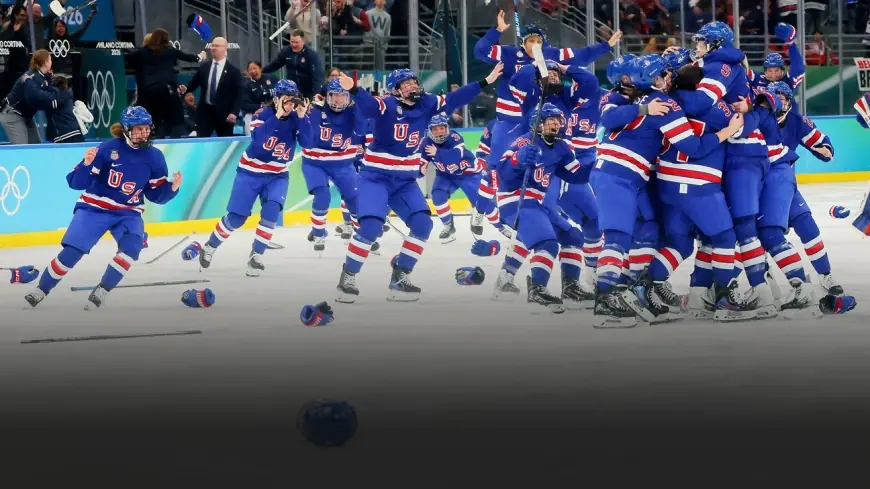
The gold-medal game ended 2-1 after a 3-on-3 overtime winner by veteran defenseman Megan Keller. The United States was trailing before hilary knight deflected a shot from teammate Laila Edwards with the goalkeeper pulled, tying the game with 2: 04 left in the third period and energizing the comeback. The U. S. had allowed only one goal earlier in the tournament prior to a short-handed tally by an opponent in the second period of the final.
Several career milestones and team performances were sealed in this tournament: the match was hilary knight’s final Olympics, and with her goal in the gold-medal game she set the Team USA Olympic career records for both goals and points. This was her second Olympic gold. The U. S. roster combined long-time veterans and breakout younger players—including two senior college players who finished as the top ice-time leaders for the team and combined for a notable share of points—demonstrating a passing-of-the-torch dynamic.
Goaltending was a standout element throughout the event. The U. S. goalie made 30 saves in the final, finished the tournament with a. 980 save percentage, and became the first goalie in Olympic history to record three shutouts in a single tournament. The team conceded only two goals across the entire tournament, tying previous single-Olympics defensive marks by other elite squads.
It’s easy to overlook, but the final also contained a personal milestone off the ice: the tournament included a proposal by hilary knight to her partner two days before the gold-medal match, adding a human chapter to an already historic finish.
Key signals that could confirm how this moment changes things: repeated late-game execution by the U. S. in future high-stakes matches; coaching adjustments that incorporate pulled-goalie deflection drills into regular practice; and whether goaltenders from this cycle remain a benchmark for save-percentage and shutout frequency.
The real test will be whether youth teams and collegiate programs adopt these concrete late-game patterns as standard teaching points, turning a single dramatic final into a persistent stylistic shift at multiple levels of play.