























Tage Thompson leaves Team USA semifinal as precaution, status watched closely

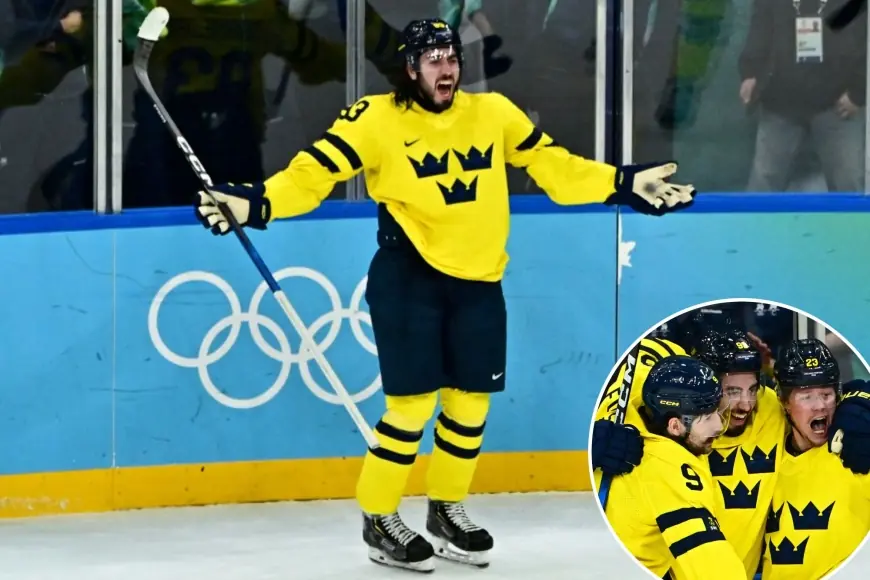
Tage Thompson’s Olympic run took an anxious turn Friday, Feb. 20, when the Buffalo Sabres star exited Team USA’s semifinal after the second period for precautionary reasons. The timing is significant: the U.S. is deep into the medal rounds, and Thompson has been one of the tournament’s most dangerous shooters, giving the coaching staff little room to replace his role if his availability is limited.
What happened in the semifinal
Thompson played the opening 40 minutes and then did not return for the third period. The situation was described only as precautionary, and the specific issue was not publicly confirmed at the time of the game. Team officials did not announce a diagnosis during the immediate postgame window.
In practical terms, “precautionary” can cover everything from a minor tweak to symptoms that require evaluation, so the next meaningful checkpoint is whether Thompson takes part in the next full practice or warmup, and whether he can handle contact without restrictions.
Why Thompson matters to Team USA
Thompson’s value is straightforward: he can change games with one release. At 6-foot-6 with a heavy right-handed shot, he stretches defensive structures, forces opponents to guard the high slot and circles differently, and creates second chances off rebounds.
Even when he isn’t scoring, his presence shapes matchups. Penalty kills tend to shade toward his shooting lanes, and five-on-five defenders are often reluctant to overcommit for fear he’ll slip into space for a quick catch-and-fire look.
Tournament impact if he’s limited
If Thompson can’t go—or can only play reduced minutes—Team USA faces a ripple effect beyond the top line. Power-play usage would be the most visible change, but the bigger shift is how the coaching staff would replace his shot threat without losing puck support and defensive detail.
Potential adjustments include moving another shooter into his flank spot, rebalancing units to keep a one-timer option on each group, and simplifying entries to avoid extended puck battles that can wear down a shortened bench.
His 2025–26 momentum heading into the Games
Thompson arrived at the Olympics in strong form for Buffalo, sitting among the league’s top goal-scorers with 30 goals through 57 games. His season has mixed high-end finishing with heavy shot volume, and that combination is exactly what translates in short tournament windows where one goal can decide a medal.
A recent highlight came in mid-January when he posted a five-point night against Montreal, including a hat trick that doubled as his 200th career NHL goal. It was the kind of performance that underscored why opponents can’t “survive” his shifts—they have to actively manage them.
Key takeaways to watch next
-
Practice participation: Whether Thompson takes line rushes and power-play reps at full speed is the quickest indicator of readiness.
-
Role clarity: Even if he dresses, a reduced power-play workload would hint at lingering discomfort.
-
Line chemistry: Any reshuffle in the top six will show whether the staff is planning for absence or simply experimenting.
-
Shot volume: If he plays but avoids shooting from his usual spots, that’s a quiet red flag.
What comes next for Thompson and Team USA
The immediate question is availability for the medal game(s), but the longer view matters too. Olympic injuries can carry into the NHL stretch run, and Buffalo’s offense is built around Thompson’s ability to tilt the ice with pace and finishing. If the issue truly is minor, Team USA gets its premier shot threat back at the moment it matters most. If it lingers, the tournament becomes a test of depth and adaptability—two things that win medals, but rarely as cleanly as a healthy Tage Thompson does.