




















Chicago Bears' Hammond push puts taxes, politics and fan loyalty on the line

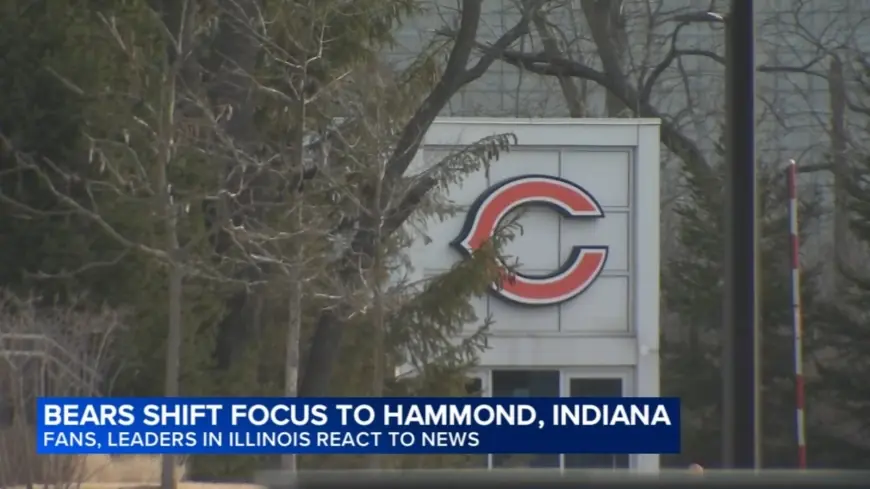
The move undercuts familiar lines: residents, taxpayers and fans across two states could feel immediate effects if the chicago bears shift focus to a Hammond stadium. Indiana lawmakers advanced legislation to create a stadium authority and proposed local taxes to fund construction, while Illinois officials and area fans reacted sharply. The short-term impact is fiscal and political; the longer-term question is whether the team’s due diligence and regional negotiations close the gap.
Chicago Bears relocation effort already changing local budgets and politics
Here’s the part that matters: the committee vote puts a financing framework in motion that would change how hospitality and tourism are taxed in Indiana's northwest counties. Legislators advanced a bill to establish a Northwest Indiana Stadium authority and floated new food, beverage and innkeepers taxes to support stadium costs and related infrastructure. That combination signals a regional funding model that leans on visitors and local economic activity rather than a single-state public subsidy pattern.
What this means for everyday people is concrete. Residents in short-term-rental-heavy or tourism-adjacent areas could see higher charges embedded in bills; municipalities near the proposed site would take on planning and infrastructure coordination; and fans face a choice about where they drive or travel on game day. The chicago bears name is central to those choices as elected officials in both states weigh political fallout against potential economic gain.
Where the plan stands and who moved
Legislators voted unanimously in a Ways and Means committee to advance the stadium bill, which would create the Northwest Indiana Stadium authority. The proposal includes a site identified near Wolf Lake in Hammond and assumes a significant team contribution to construction costs—lawmakers described the Bears’ commitment as a multibillion-dollar payment toward building the venue. The package also relies on new local taxes for food, beverage and lodging to cover infrastructure and operational needs.
The team released a statement framing the bill’s passage as the most meaningful step so far in its stadium planning and said it would complete remaining site-specific due diligence to support its vision for a world-class stadium near the Wolf Lake area. Illinois lawmakers had been preparing related measures, and an Illinois committee hearing was canceled in the wake of the Indiana action.
Political leaders in Indiana spoke openly about partnership readiness, and the state’s executive office framed the framework as contingent on satisfactory site due diligence. In Illinois, the governor described being surprised and disappointed, noting that his team had spent multiple hours of negotiations with the club the day before and that there had been progress toward a bill—they had been asked to delay action while tweaks were made.
Fans reacted strongly at local gatherings, ranging from disbelief to vows of abandoned loyalty if the team crossed the state line. Local elected officials from Hammond emphasized willingness to do whatever it takes to position the city as part of the broader Chicagoland region and to host a project described as a destination for the area.
What's easy to miss is how quickly procedural committee movement can shift negotiations from exploratory to transactional: advancing a bill creates structured pathways for taxation and land use that other parties must respond to, which can accelerate decisions on both sides of a border.
- Committee action: Ways and Means committee voted unanimously to advance the bill.
- Authority creation: Bill would establish a Northwest Indiana Stadium authority.
- Site and funding: A Wolf Lake-area site is identified; lawmakers cited a multibillion-dollar team payment and new food, beverage, and innkeepers taxes to support costs.
- Next procedural step: Site-specific due diligence by the team is ongoing and framed as a condition for moving forward.
The real question now is whether the due diligence, the tax plan and bipartisan political calculations will line up to close a deal. If the chicago bears finalize site work and the framework holds, expect rapid follow-up legislation and local implementation steps. If any piece fails to clear technical, fiscal or political hurdles, negotiations may reset or stall.
Editorial aside: The bigger signal here is that stadium talks are now less hypothetical and more transactional—movement in one state produced immediate policy shifts and visible political strain across the border.