























Alysa Liu Mother: Public Coverage Centers on Father, Siblings and Security While Maternal Details Remain Unstated

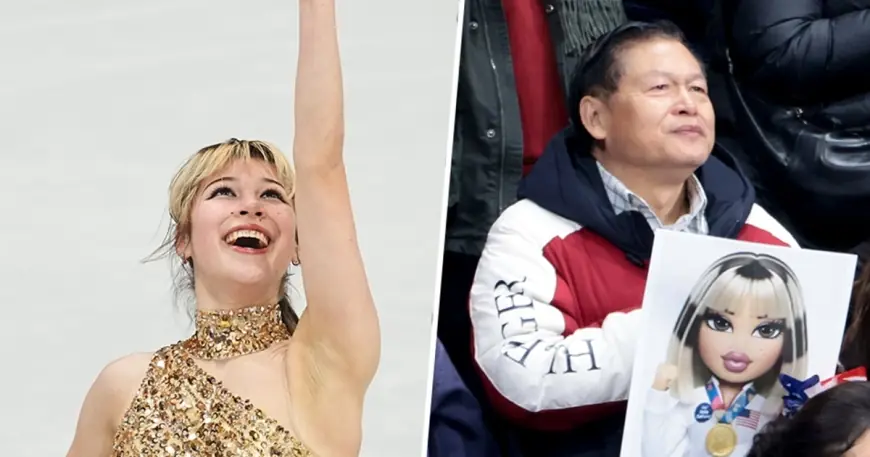
What’s new: Recent accounts of Olympic figure skater Alysa Liu have emphasized her father's role in her career, the presence of her siblings at a major victory and a past intelligence threat that affected the family; alysa liu mother is not referenced in the same public coverage. That absence is notable given the degree of detail available about other family members and security concerns tied to the athlete’s international competitions.
What happened and what’s new
Confirmed public material shows several consistent facts: Alysa Liu won a major international figure skating gold medal at the Milan Cortina Games, with her father and four siblings present and visibly celebrating the result. Coverage also traces her career arc: she became a national champion at an unusually young age, stepped away from the sport as a teenager, then returned and reached the Olympic stage.
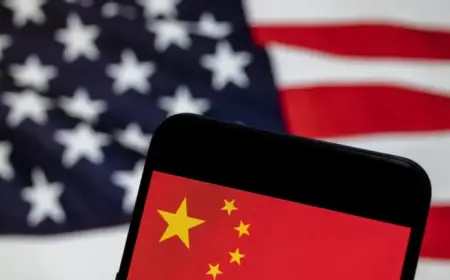
Separate legal and security records made public in 2022 indicate that the athlete’s father was the subject of an alleged intimidation and surveillance effort by agents tied to a foreign government. Court filings and law enforcement briefings describe contacts made with the family, including an instance in which an individual impersonated an Olympic organization official to seek passport information. Officials warned the family before the athlete’s participation in an earlier Winter Games, and protective measures were put in place at that time, including personal escorts during competition travel.
Across this body of reporting, the athlete’s father and siblings are named or described; by contrast, public accounts included in the reviewed material offer no details about alysa liu mother, her identity, presence at events, or any public statements she may have made.
Alysa Liu Mother — public mentions and gaps
The public record available in the reviewed material places emphasis on three elements: the athlete’s competitive milestones, the father’s background and activism, and the family’s security experience tied to alleged foreign surveillance. Those same materials do not provide information about alysa liu mother. This creates a clear gap between what is known about several family members and what is not known about the athlete’s maternal figure in public accounts.
What we still don’t know
- Full identity and public profile of alysa liu mother, if one exists in public records cited in these accounts.
- Whether alysa liu mother attended the athlete’s Olympic competitions or was involved in the family’s public interactions during those events.
- Any public statements, interviews, or official comments made by alysa liu mother about the athlete’s career, security incidents, or family life.
- Whether the maternal parent had any role in decisions about training, retirement or the athlete’s comeback.
- How security arrangements described in legal and law enforcement documents affected all immediate family members beyond the father and the athlete.
What happens next
- Public clarification: The athlete or her representatives could release a family statement that includes maternal details; trigger: a formal family profile or interview.
- Profile pieces: Future biographical coverage may fill in maternal background as journalists pursue comprehensive family histories; trigger: feature interviews timed to major competitions or milestones.
- Legal or security disclosures: If further court filings or official briefings emerge about the earlier surveillance allegations, they may mention other family members or clarify who received protective measures; trigger: additional filings or law enforcement statements.
- No change: Maternal information remains private and absent from public reporting, leaving the public record focused on the father, siblings and security history; trigger: continued emphasis on competitive accomplishments over personal family details.
Why it matters
The uneven treatment of family members in public accounts affects how the athlete’s support network and vulnerabilities are perceived. Detailed reporting about the father’s activism and alleged targeting by foreign agents frames part of the athlete’s public narrative and explains why security measures were implemented at a previous Olympics. The lack of verified public information about alysa liu mother leaves an incomplete picture of the athlete’s upbringing, family support structure and who may have shared in decision-making around training and competition.
Near-term implications are practical: historians, commentators and fans seeking a full understanding of the athlete’s background will either need direct comment from the athlete’s camp or deeper biographical reporting to fill the gap. For security analysts and officials, clarity about which family members were affected by or involved in protective arrangements could inform assessments of risk and the adequacy of safeguards used in past international events.
Until new, verifiable information is provided, public accounts will continue to emphasize confirmed elements—competitive achievements, the father’s activism and documented security incidents—while noting the absence of maternal detail in the available record.