























Lori Chavez-deremer’s Husband Barred From Labor Department Headquarters After Sexual Assault Allegations

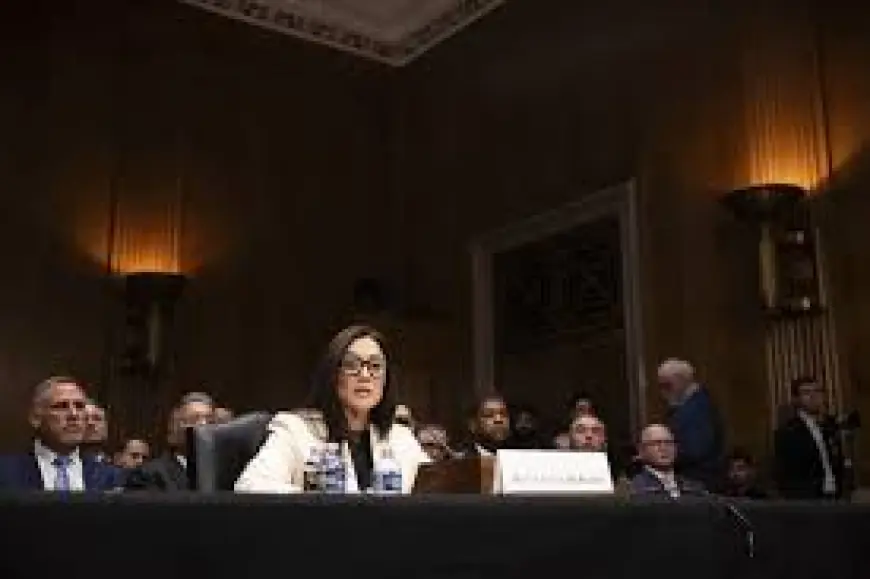
lori chavez-deremer is facing a widening personnel and ethical controversy after the husband of the labor secretary was barred from department premises following allegations that he touched at least two female staff members inappropriately at the agency’s Washington offices. The actions have prompted both a police sexual-assault inquiry and internal inspector general scrutiny that touch on the secretary’s wider conduct.
What happened and what’s new
Department officials have barred Dr. Shawn DeRemer, who frequently visited his wife’s offices in Washington, from entering the Labor Department’s headquarters after at least two female staff members said he had touched them inappropriately at the agency. One incident that took place during working hours on the morning of Dec. 18 was captured on internal office security cameras; the footage was reviewed as part of a criminal investigation. A building restriction notice instructs security that if Mr. DeRemer attempts to enter the premises, he is to be asked to leave.
On Jan. 24 a police report was filed with the Metropolitan Police Department documenting a complaint of forced sexual contact in December at the Labor Department; the department’s sexual-assault unit is investigating. After the allegations were raised, department investigators also included the matter in an internal inspector general probe that already encompassed complaints about the conduct of the labor secretary and senior staff.
Behind the headline: Lori Chavez-deremer, personnel and probes
The emergence of the allegations against Dr. DeRemer has intersected with a broader review of workplace conduct at the department. The inspector general has opened an internal investigation into separate formal complaints that Secretary Lori Chavez-DeRemer engaged in an inappropriate relationship with a subordinate who served on her security detail and that she abused her office by taking staff to strip clubs, drinking on the job and using taxpayer funds for personal trips. Those accusations prompted administrative leaves for some aides and members of the security staff. The lawyer representing the secretary in the inspector general inquiry has denied the allegations.
Dr. DeRemer, identified as a 57-year-old anesthesiologist based in Portland, Oregon, did not respond to a request for comment in the wake of the building restriction. In an interview, Mr. DeRemer denied the allegations, stating he had not committed the acts in question and that he intended to contest the claims.
What we still don’t know
- Whether any criminal charges will be filed in connection with the police investigation.
- Full details of the incidents beyond the brief descriptions provided by complainants and the security-camera review.
- The outcome or timeline of the inspector general’s separate investigation into Secretary Chavez-DeRemer’s conduct.
- Whether additional department personnel may be subject to disciplinary or administrative action.
- Any formal departmental response or public statement that clarifies the steps being taken to protect staff and preserve the integrity of the investigations.
What happens next
- Criminal inquiry advances: The police sexual-assault unit could seek additional evidence or interviews; a trigger would be corroborating findings from the security-camera footage or witness testimony.
- Inspector general findings: The internal probe could lead to administrative sanctions, staffing changes, or policy reviews if investigators substantiate complaints about workplace misconduct by senior officials.
- Formal charges: If investigators develop probable cause, prosecutors could pursue charges tied to forced sexual contact; referral decisions will depend on the evidence assembled by the police unit.
- Administrative remedies: The department could expand building restrictions, impose further administrative leaves, or revise access protocols pending probe outcomes.
- Public disclosures: The department or investigators may issue formal statements or releases as milestones are reached, which would shape next steps for personnel and oversight bodies.
Why it matters
The developments carry immediate implications for workplace safety, departmental operations and public trust. The barring of Dr. DeRemer from the Labor Department’s premises is an acute personnel action intended to limit contact between the accused and potential complainants while a criminal inquiry proceeds. Simultaneously, the inspector general’s broader investigation into conduct by the secretary and senior staff raises questions about management, security protocols and use of department resources.
Near-term effects may include staffing disruptions within the secretary’s inner circle and heightened oversight from investigators and congressional or executive oversight mechanisms. For employees, the practical implications center on workplace safety and confidence in internal complaint processes. For the department’s leadership, resolving these probes will be necessary to restore normal operations and to address any policy or cultural issues identified by investigators.
This account is based solely on official filings, police records and internal notices referenced in available materials; several aspects remain under investigation and unconfirmed.