




















Hilary Duff Officially Returns to Music After 11 Years with Luck … or Something — A Personal, Family-Inflected Pop Comeback

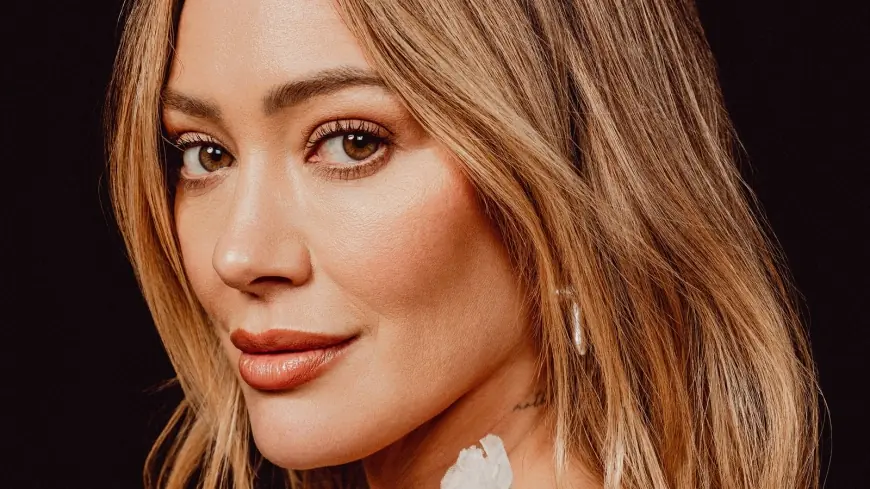
Hilary Duff is issuing her first full-length record in more than a decade, Luck … or Something, set for release on Feb. 20, a move that signals a deliberate re-entry into pop at a moment when 2000s nostalgia and a fresh younger audience have amplified demand. The new album is framed as both a musical restart and a personal statement crafted alongside her husband, who helped shepherd the project.
What happened and what’s new
The core development is straightforward: Hilary Duff will release Luck … or Something on Feb. 20, marking her first album release since 2015. The record leans on synth-driven production and includes a lead track built around the question of how she arrived at this point in life. Duff took steps toward reviving her music career seriously last year after the birth of her youngest child and worked closely with her husband, a musician-producer, during the creative process. The couple turned down the pressure of external expectations and focused on making music they found personally satisfying.
Details shared in recent conversations by Duff describe a domestic life in Los Angeles centered on family routines, including four children and home-centered pursuits, which shaped the record’s themes. The return was teased publicly in the fall of last year and drew intense online reaction, propelling the project into public view before its release.
Behind the headline: Hilary Duff's return and family themes
This comeback is anchored by two intertwined narratives. Musically, the timing aligns with a broader appetite for early-2000s pop influences and a growing cohort of younger listeners who discovered her work years after her initial breakthrough. Creatively, Duff framed the album as a vehicle to explore where she is now: a parent, a partner and an artist reckoning with personal history.
Family dynamics are a prominent through line. The record reportedly probes long-standing personal material, including the aftermath of her parents’ divorce and an estrangement from her sister. That private terrain helped push Duff to make music that feels candid rather than performative, while her husband’s encouragement shaped an unpressured approach to the project.
What we still don’t know
- Specific reasons behind the publicized rift with her sister remain undisclosed.
- Commercial expectations, promotional plans and whether Duff will return to regular live performing are not confirmed.
- Critical reception and sales figures for the album after release are not yet available.
- Precise dates for any follow-up singles, videos or tour announcements have not been shared.
- The full extent to which the record will reshape Duff’s public profile beyond the initial release is unclear.
What happens next
- Album release leads to renewed public conversation: Trigger — the Feb. 20 release and early listener reactions; outcome — increased media and fan attention that could reshape Duff’s profile as a pop artist.
- Selective live appearances or a modest tour: Trigger — positive reception and personal readiness to perform; outcome — a measured return to the stage that balances family life with public commitments.
- Further artistic collaboration with her husband and continued focus on personal songwriting: Trigger — creative momentum from the album sessions; outcome — more music reflecting domestic and emotional themes.
- Family matters become part of the promoting narrative: Trigger — interviews and lyrical unpacking tied to specific tracks; outcome — ongoing public interest in private dynamics without new disclosures about the causes of any estrangement.
- Limited public engagement if online scrutiny proves overwhelming: Trigger — intense negative or intrusive social-media attention; outcome — a scaled-back promotional approach prioritizing family privacy.
Why it matters
The release matters on several levels. For followers of mainstream pop, the album reintroduces an artist who achieved commercial prominence in the early 2000s into a contemporary pop moment shaped by nostalgia. For Duff personally, the record is framed as a way to reconcile public identity with private life—testing whether an established entertainer can reemerge creatively while preserving a domestic routine focused on children and home. The choice to work without external expectations underscores a broader tension that many public figures face today: balancing artistic risk against the relentless feedback mechanisms of the internet.
In the near term, the album’s reception will determine whether this return translates into a sustained musical chapter or remains a finite personal statement. Either way, the project spotlights how intimate subject matter and family context can drive pop work in a media environment that quickly turns private struggles into public narratives.