
























Boeing Starliner deemed a 'Type A' mishap after crewed test left astronauts stranded for months, agency chief demands accountability

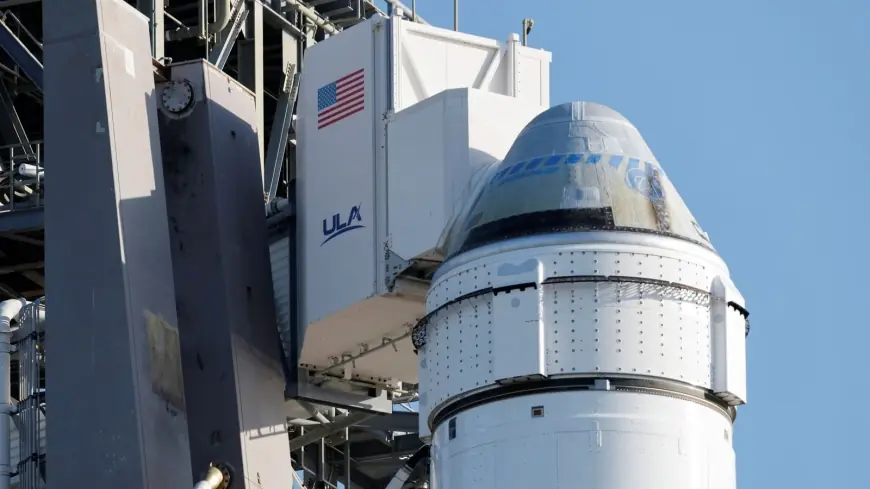
A newly released investigation has declared the boeing starliner crewed test flight a "Type A" mishap — the agency's highest severity grade — after failures left two astronauts stranded in orbit for months. The agency's administrator has called out poor decision-making and leadership failures at the contractor and within the agency, and officials say corrective actions and accountability measures will follow.
Boeing Starliner investigation: Type A classification and immediate findings
The published report classifies the mission as a Type A mishap, a designation reserved for the most serious incidents that can include significant financial damage, loss of control of a vehicle, or the potential for loss of life. While the investigation notes there were no injuries and control of the spacecraft was regained before docking, the classification reflects that the mission posed a life-threatening risk.
- Mission timeline: The crewed test launched on a crewed mission date in 2024 and was intended to last eight to 14 days; it was extended after propulsion anomalies and the spacecraft ultimately returned to Earth without the two astronauts in September 2024.
- Crew impact: The two astronauts remained on the International Space Station for months and later returned aboard another provider's crewed flight in March 2025; both have since retired from the agency.
- Contributing factors: Investigators identified a combination of hardware failures, qualification gaps, leadership missteps, and cultural breakdowns that created conditions inconsistent with the agency's human spaceflight safety standards.
- Operational risks: Thruster failures left the vehicle dangerously out of control at points during the approach to the space station; manual intervention and recovery of propulsion systems enabled a safe docking.
Organizational accountability, corrective actions and what comes next
The agency's administrator described the mission as one of the most serious mishaps in the agency's history and has emphasized leadership accountability. The investigation highlights both poor engineering and a lack of oversight at the contractor, as well as programmatic decisions at the agency that influenced engineering and operational choices.
As a result of the report, the agency will accept the investigation's findings as final and is moving to implement corrective actions intended to address technical root causes and organizational shortcomings. Work to understand and fix the technical problems is ongoing, and the agency has stated that the vehicle will return to flight only when those corrective measures and recommendations have been fully addressed.
Operational lessons and risks still under review
The investigation underscores how compounding technical issues and cultural problems can turn a short test flight into a prolonged, high-risk event. Engineers and program managers are continuing technical root cause work, and the report calls for changes aimed at improving qualification procedures, oversight, and the relationship between contractor and agency teams.
Recent materials note that the spacecraft had faced challenges in prior missions and that those issues were nevertheless accepted for crewed flight. The agency has emphasized transparency about both successes and shortcomings and the necessity of owning mistakes to prevent recurrence.
Uncertainties remain as technical analyses continue and corrective steps are implemented. The investigation and the agency's response mark a significant moment for the commercial crew program; the focus now shifts to remedying the identified failures and ensuring future flights meet human spaceflight safety standards.