





















Womens Hockey Usa: Hilary Knight’s OT Rally and What It Changes for the Program

When a single play alters legacy and momentum, the effects land fastest on teammates, young players and pro leagues. Womens Hockey Usa just received that kind of jolt: a late game-tying goal that forced overtime and an ensuing OT winner delivered Olympic gold. Here’s the part that matters—this finish reshapes career milestones, league narratives and the recruiting lift for the national program.
Womens Hockey Usa — who feels the impact first and how
The immediate winners are the players whose resumes just grew in measurable ways. The captain who forced overtime now holds new records for goals and points in Olympic competition, and the overtime scorer sealed gold for the team. That combination changes how players are viewed inside pro leagues and at the national level: veteran achievements are cemented and younger players gain a tangible moment to point to for motivation and momentum.
What shifts next — likely — are three practical areas: roster narratives (veterans versus next-gen), the spotlight on domestic professional play where these stars log regular-season stats, and the recruiting pipeline energized by a dramatic international win. If you’re wondering why this keeps coming up in conversations about the sport, it’s because late-game, high-profile moments tend to accelerate attention and investment.
What’s easy to miss is how individual career totals and league-season numbers already embedded in the players’ resumes feed directly into the larger story of the sport’s growth at home and abroad.
How the final unfolded and the decisive plays
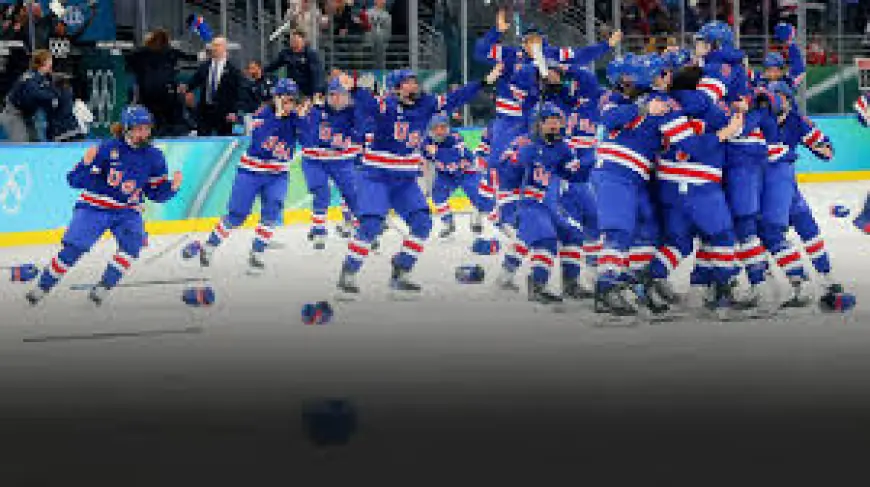
The gold-medal game reached its climactic phase when the captain of the United States converted a tipped shot at the blue line with 2: 04 left on the clock, tying the game at one apiece and ending what had been a shutout. That goal pushed the match into overtime, where a backhand by a U. S. defenseman slipped past the opposing goalie’s right arm and trickled in for the winning score.
- Late equalizer: captain tipped a teammate’s shot at the blue line with 2: 04 remaining to force overtime and break the shutout.
- Overtime clincher: a backhand from a U. S. defender found the net past the goaltender’s right arm and produced the gold-medal-winning goal.
- Venue context: the game took place at the Milano Santagiulia Ice Hockey Arena during the Olympic tournament.
The match ended in an overtime victory for the United States over their opponent, with the captain’s late goal and the overtime finish forming the defining sequence.
Career milestones tied to the moment are notable: the captain became the all-time Olympic goals leader for the U. S. women’s program, reaching a stated total of 15 career goals in Olympic play, and also set a record for most career Olympic points for the national women’s team with a noted 33 points, surpassing the prior benchmark. The win also marked the captain’s second Olympic gold medal and a fifth Olympic medal overall, making her one of only three Olympic hockey players—men or women—to reach five medals in a career.
Beyond international stats, the captain’s professional-season numbers were highlighted as context for the performance: a season where she tied for the league lead with 29 points while with one pro club, and a mention of being among league assist leaders in another team’s inaugural season.
Key takeaways and near-term signals
- Legacy effects: the captain’s new Olympic scoring and points records will be referenced in career lists and media narratives.
- Player-market ripple: standout Olympic performances often translate to increased attention on the professional seasons that follow.
- Recruiting and visibility: dramatic international wins typically boost youth interest and provide concrete moments recruiters and coaches can cite.
Micro timeline (verified details):
- Day of the final: the match was played at Milano Santagiulia Ice Hockey Arena during the Olympic tournament.
- With 2: 04 left: the U. S. captain tipped a blue-line shot to tie the game at one and send it to overtime.
- Overtime: a backhand from a U. S. defender found the net past the opposing goalie for the gold.
The real question now is how teams and leagues will leverage this moment: in promotion, roster decisions and the next season’s narratives. Recent coverage has already highlighted the statistical markers that make the moment more than just an exciting finish—it’s a reshaping of records and resumes that will persist in conversations about the sport.