
















Trump’s Threats of War Crimes Peak Amid Iran Tensions

Amid escalating tensions with Iran, former President Donald Trump has threatened significant military action, raising concerns over potential war crimes. As of now, he has set a deadline for 8 p.m. ET on Tuesday, demanding Iran reopen the Strait of Hormuz and agree to a proposed deal.
Trump’s Threats and Military Plans
If Iran fails to comply, Trump has indicated intentions to target Iranian infrastructure, including:
- Power plants
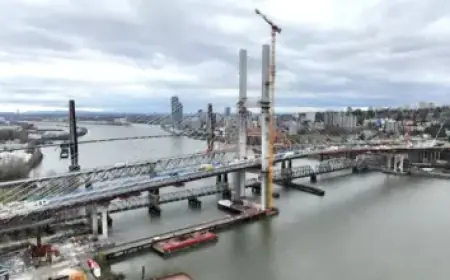
- Bridges
- Oil wells
- Water desalination plants
His explicit threats have included plans to “obliterate all of their Electric Generating Plants” and intensifying attacks on essential civilian infrastructure.
Concerns About War Crimes
Experts and international observers have called these threats a violation of international humanitarian law. The United Nations has stated that attacking civilian infrastructure is prohibited under such laws. Stéphane Dujarric, a UN spokesperson, emphasized the illegality of targeting clearly civilian installations.
CNN’s Fareed Zakaria also underscored that these actions align with definitions of war crimes, raising the stakes significantly on the international stage.
Historical Context and Precedents
This is not the first time Trump has invoked drastic military measures. Throughout his presidency, he has made comments and proposals that blurred the lines of legality:
- In 2015, he suggested killing the families of terrorists.
- In 2016, he advocated for the return of controversial interrogation techniques.
- In 2020, he threatened to target Iranian cultural sites.
The United States military has faced scrutiny for operations that could be classified as war crimes, including a reported double-tap strike on a drug boat that resulted in civilian casualties.
International Reactions
International relations have become increasingly strained due to Trump’s bold rhetoric. His statements of “no quarter” for enemies have alarmed legal experts, adding another layer of complexity to America’s military strategies.
By threatening to carry out such operations, Trump risks altering global perceptions of U.S. ethics and morality. His recent comments imply he believes actions against Iran could foster freedom among its citizens, although such views lack substantiated evidence.
Conclusion
As the deadline approaches, uncertainty remains regarding Trump’s willingness to act. His previous delays in executing threats suggest a hesitation that could shape U.S.-Iran relations going forward. The implications of these threats not only reflect on American military strategy but also have broader ramifications for international law and human rights.