

























AACo Avoids Investigation into Cattle Deaths After Reassuring Regulators

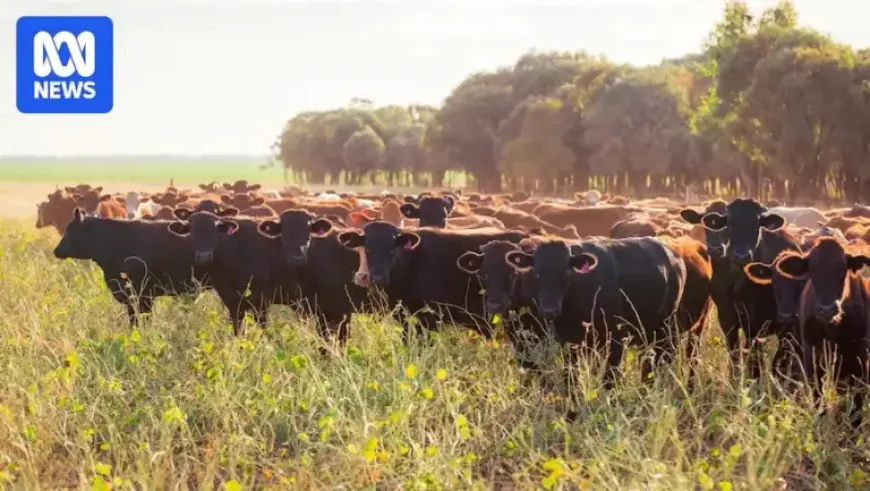
Queensland’s government has decided not to investigate the Australian Agricultural Company (AACo) after mass cattle deaths attributed to a lack of water. The company reassured regulators that it had resolved the issues that led to these fatalities. Concerns surrounding this decision have been voiced by legal experts who argue that government oversight has failed.
AACo’s Cattle Deaths: Key Facts
- Incident Reports: More than 140 cattle, including close to 100 cows and 40 calves, died at an AACo property during the Australia Day weekend in January of last year.
- Additional Deaths: An unrelated incident saw another 90 cattle perish at a separate property owned by another entity during the same month.
- Notification Delay: AACo notified Queensland’s Department of Primary Industries over a month after the deaths and only after inquiries were made.
- Reported Cause: The primary cause of death was theorized to be a water trough tap that was accidentally left off.
Regulatory Response and Concerns
Legal expert Steven White from Griffith University criticized the lack of a robust investigation. He emphasized that the government should not solely rely on the assurances provided by AACo, pointing out the inherent conflict of interest. He stated, “A very significant number of animals have died unnecessarily.” Unique circumstances around the cattle deaths underscore a pattern of regulatory capture, where industry influences government decisions.
Documents acquired through Right to Information laws reveal inconsistencies within the governmental response. Internal communication indicated that officials believed there was no need for follow-up investigations since AACo reported altering its procedures to prevent future incidents.
Industry Context and Animal Welfare Standards
The cattle deaths have sparked outrage within the agricultural sector, notably as Queensland is Australia’s leading beef-producing state, generating over $20.4 billion from beef sales last year. Other Australian jurisdictions have conducted thorough investigations into similar incidents, often resulting in changes to animal welfare regulations and practices.
Despite the tragedies, AACo continues to market itself as a premium beef supplier, assuring customers of animal welfare. The company emphasizes its commitment to ethical practices, although the recent events challenge these claims.
Conclusion
The government’s decision not to investigate AACo raises critical questions about animal welfare oversight in Queensland. As legal experts call for more rigorous regulatory action, the cattle deaths at AACo highlight an urgent need for systemic improvements in agricultural practices and animal care standards.