























Dawn Staley, Cori Close Gear Up for Their Next Challenge

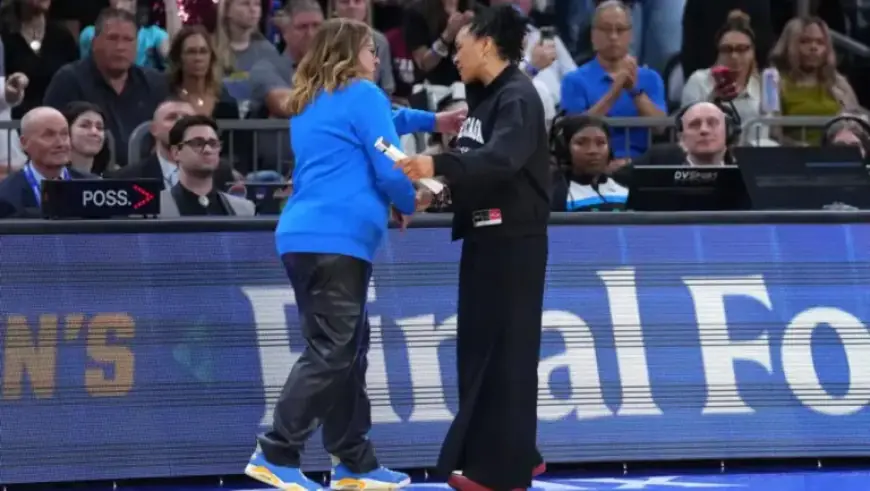
The national championship game highlighted the rising prominence of women’s basketball, featuring two esteemed coaches: Dawn Staley from South Carolina and Cori Close from UCLA. Staley praised Close for her dedication and hard work, remarking on the significance of the championship matchup for both teams and the broader women’s game.
Dawn Staley and Cori Close: A Mutual Respect
Before the championship game held on a recent Sunday, Staley expressed her joy for Close’s achievements. After both coaches led their teams through a competitive season, their respective journeys culminated on this notable date. Staley highlighted that reaching the championship venue represents the continued growth of women’s athletics.
A Historic Win for UCLA
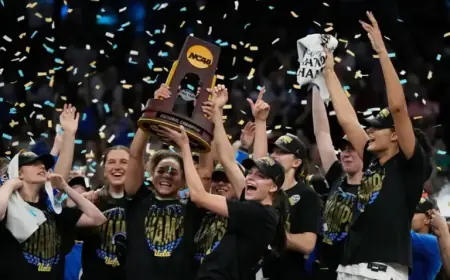
UCLA claimed its first NCAA women’s basketball championship by defeating South Carolina with a decisive score of 79-51. This victory was particularly significant since UCLA’s triumph mirrored South Carolina’s upset victory over defending champion UConn earlier in the tournament.
The Growth of Women’s Basketball
Staley and Close have consistently advocated for the advancement of the women’s game. They share a commitment to build visibility and equality in sports for female athletes. Staley acknowledged the importance of supporting one another, especially in times of competitive tension.
- Staley: “I want good things to happen for them, and Cori is one of those people.”
- Close: “This is something bigger than ourselves.”
Discussion surrounding the challenges faced by women’s sports is critical. Coaches and players alike feel a sense of responsibility to elevate the status of women’s athletics nationally, competing not just for trophies, but for recognition and equity.
The Impact of Title IX
Both coaches reminisced about how Title IX, enacted in 1972, has drastically changed opportunities for women in sports. Staley, age 55, was two years old when the legislation passed, while close, at 54, was just a toddler. Their careers are a testament to Title IX’s legacy, allowing them to compete in a national championship.
Navigating Financial Disparities
Further progress is needed to address the financial discrepancies between men’s and women’s sports. Even amid recent advancements like NIL (name, image, likeness) agreements, female athletes often earn significantly less than their male counterparts. Statistics reveal a stark contrast, with women averaging $16,222 compared to men’s earnings of $171,272.
Lauren Betts, a center for UCLA, affirmed her dedication to championing women’s sports. She acknowledged the groundwork laid by previous players, thanking them for enhancing opportunities for the next generation.
Moving Forward
Coaches like Staley and Close remain optimistic about future developments, recognizing the potential for women’s sports to elevate revenue and visibility. Their leadership is crucial as the women’s game continues its upward trajectory.
In conclusion, while the championship outcome was disappointing for South Carolina, the overall sentiment remains positive for women’s basketball. Events like these foster growth, inspire future athletes, and underline the importance of women’s representation in sports leadership.