























Megan Keller's OT goal lifts U.S. past Canada for Olympic gold in dramatic 2-1 win

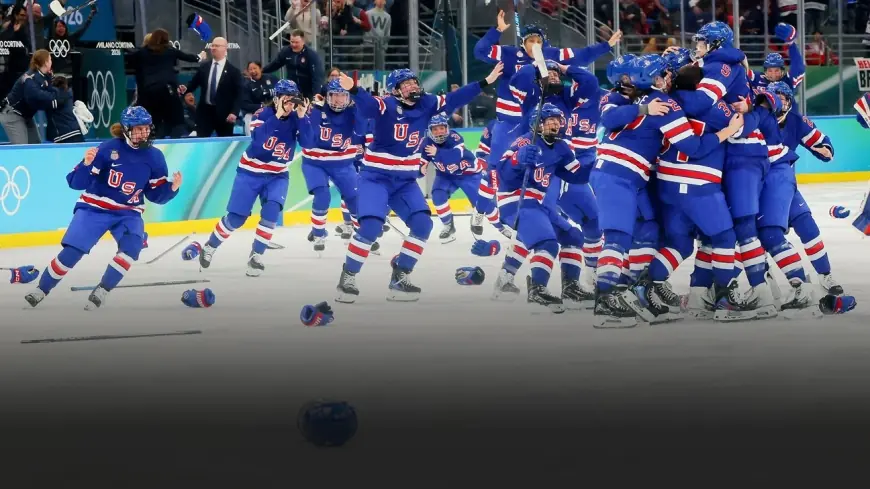
megan keller delivered the golden goal in 3-on-3 overtime as the United States women's hockey team beat Canada 2-1 to win Olympic gold, capping a tournament that saw a tight defensive performance and a veteran leader finish her Olympic career at the top of the record books.
What happened and what’s new — Megan Keller
The U. S. won the gold-medal game in overtime after trailing when Canada scored a short-handed goal early in the second period. Late in the third, with the goalie pulled, Hilary Knight deflected a shot from Laila Edwards to tie the game and force overtime. Four minutes and seven seconds into 3-on-3 overtime, megan keller executed a decisive move and scored the game-winning goal to seal the 2-1 victory.
The final was played in Milan, and the U. S. victory completed a tournament in which the team allowed only two goals, tying an Olympic mark for the fewest goals conceded by a women's team in a single Olympics. U. S. goaltender Aerin Frankel made 30 saves in the final and finished the tournament with a. 980 save percentage, becoming the first goalie in Olympic history to record three shutouts in a single tournament.
Behind the headline
The win combined veteran leadership and emerging contributors. Hilary Knight, in what was described as her final Olympic appearance, provided the key tying moment late in regulation and concluded her Olympic career with a second gold medal and career records for goals and points in Olympic play for a U. S. player. Her tournament also included a personal milestone announced in the days before the final.
The roster featured a mix of experienced players and younger standouts. Wisconsin seniors Caroline Harvey and Laila Edwards logged heavy minutes and were among the team's top scorers by points and ice time, while defensive veterans praised the composure and skill that produced the overtime finish.
What we still don’t know
- Whether any players, including veterans, plan immediate retirement or other changes following the tournament.
- Specific roster plans or personnel changes for the national program after the Olympics.
- Details about postgame ceremonies, formal celebrations, or official recognitions tied to the victory.
- How the team will manage the transition noted as a passing of the torch between veterans and breakout players.
What happens next
- Immediate post-Olympic transitions: Veterans who signaled the end of an era may formalize retirement plans, while younger players could move into larger leadership roles. Trigger: formal announcements from players or the national program.
- Roster reshaping for future cycles: The national program may lean on breakout performers who logged heavy minutes in the tournament to build toward the next major events. Trigger: publicized roster or coaching statements.
- Recognition and legacy management: Hilary Knight’s record-setting Olympic career and the team’s defensive performance could prompt commemorations or institutional acknowledgments. Trigger: scheduled ceremonies or awards listings.
- Increased attention on goaltending and defensive systems: Aerin Frankel’s historic shutout run and the team’s low goals-against total may influence coaching emphasis at national and developmental levels. Trigger: coaching clinics, offseason evaluations, or tactical discussions within the program.
Why it matters
The outcome preserves a high-stakes rivalry at the sport’s top stage and underscores the U. S. team’s balance of experienced leadership and new talent. A tight defensive tournament and an overtime winning play highlight the margins that decided gold, with goaltending performance and late-game execution proving decisive. For players, the match shaped individual legacies: one veteran closed her Olympic career with records and a second gold, while others seized moments that could define their future roles.
Near term, the result will influence selection conversations, leadership structures within the national program, and how coaches prioritize defensive systems and late-game strategies. For fans and the broader sport, the finish reinforces the competitiveness of the rivalry and the narrative of a generational handover on the U. S. roster.