













Ain Country: Why the AIN designation is not a country as Petrosian skates for neutral-team medals

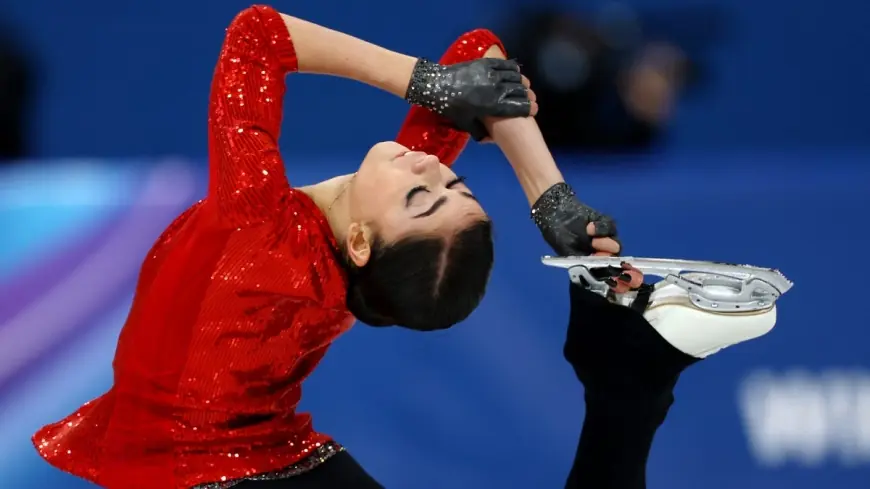
The label ain country does not name a nation but a neutral-athlete designation being used at the 2026 Winter Olympics, and it matters now because one of the athletes competing under that designation, Adeliia Petrosian, is skating in a medal final that could alter the AIN medal tally.
What happened and what’s new
Organizers at the 2026 Winter Olympics are using the acronym AIN to identify athletes competing as neutrals from Russia and Belarus. The initials AIN stand for the French phrase Athletes Individuels Neutres. Under that label, no Russian or Belarusian national flags are displayed and no national anthems are played for medal ceremonies.
Adeliia Petrosian, an 18-year-old skater competing under the AIN designation, advanced from the short programme and was scheduled to take the ice in the women’s free skate on the day of these Games. Her placement and result could affect the AIN medal count: earlier in the Games one AIN athlete, Nikita Filippov of Russia, won a silver medal in men’s ski mountaineering sprint, leaving the AIN tally at one silver as medal events continued.
The AIN roster at these Games includes athletes cleared to compete after review by an Olympic committee. That review involved vetting to confirm individual competitors did not show support for the war in Ukraine. The delegation of AIN athletes comprises athletes from both Belarus and Russia, with separate counts of athletes from each country included under the neutral label.
Ain Country — Behind the headline
The AIN designation is a response to a broader set of circumstances described by Olympic officials and national figures. Russia and Belarus have been barred from competing under their national banners because of developments tied to an ongoing international conflict. In response, the Olympic framework allowed a pathway for individual athletes to participate if they passed the screening process.
Domestically, sentiment in Russia has shifted toward public support for athletes at these Games. That change in mood was reflected in public commentary and statements from officials who suggested a possible return to competing under the Russian flag in future international competition. One Russian sports official predicted a potential return under national symbols could take place later in the year, and also warned of legal action if discussions do not move forward.
Stakeholders include the neutral athletes themselves, the Olympic decision makers charged with eligibility and ceremony rules, national sporting authorities that seek reinstatement of national flags, and governments whose geopolitical actions prompted the current restrictions. Each has distinct incentives: athletes seek to compete and win; national authorities seek a restoration of national representation; and Olympic bodies aim to balance inclusion with governance and integrity rules.
What we still don’t know
- Whether any AIN athletes will add to the current medal tally beyond the existing silver.
- Whether and when athletes from Russia or Belarus might be permitted to return to international competition under their national flags and anthems.
- Specific details of the screening criteria applied to individual athletes beyond the broad requirement that nominees not show support for the ongoing conflict.
- The outcome of any potential legal action from national sporting authorities if international bodies do not address reinstatement timelines.
- How public sentiment inside Russia will translate into formal progress on restoring national representation at upcoming international events.
What happens next
- Neutral-athlete participation continues at these Games and the AIN medal count moves as events conclude; a strong result in figure skating would increase the profile and medal total for AIN athletes. Trigger: final placements and medal ceremonies.
- International Olympic decision-makers could accelerate or delay consideration of national reinstatement, affecting whether Russian or Belarusian symbols return to competition soon. Trigger: formal discussion dates and committee rulings.
- National authorities may pursue legal remedies if they judge the international process insufficiently responsive, creating a courtroom pathway to press the issue. Trigger: failure to schedule or resolve deliberations to a national authority’s satisfaction.
- Ongoing domestic support for athletes could pressure national bodies to press harder for reinstatement, altering negotiation dynamics with Olympic governance. Trigger: public statements and policy moves by national sports officials.
Why it matters
The AIN designation affects the athletes who train for years for Olympic competition but are not permitted to represent their countries by flag or anthem. For viewers and medal trackers, the label creates a distinct category that changes how national medal tables are compiled and publicly discussed. For international sporting governance, the arrangement tests the balance between allowing individual competition and enforcing consequences tied to geopolitical actions.
Near term, results from medal finals — including the women’s figure skating free skate featuring Adeliia Petrosian — will determine whether AIN athletes move higher in the standings. Longer term, decisions about reinstatement or legal challenges could reshape the presence of Russian and Belarusian national symbols at future Games and influence policy on athlete eligibility going forward.