















Peter Greene's Accidental Death Reverberates for Fans and Incomplete Projects After Fatal Armpit Gunshot

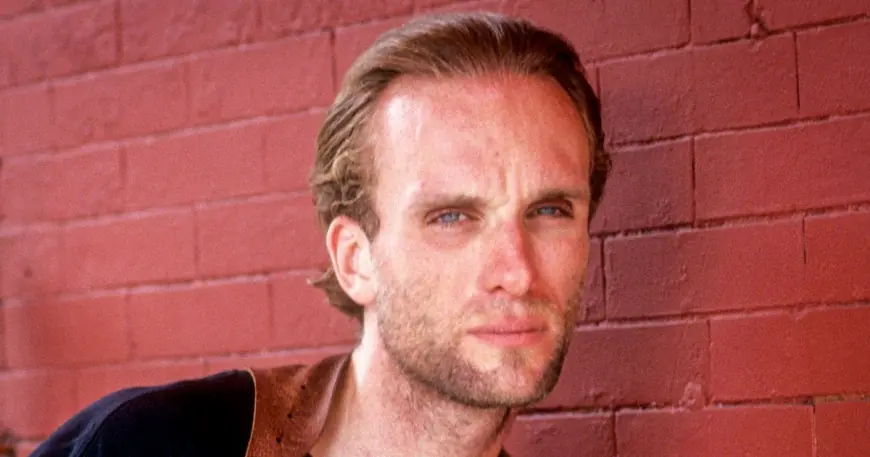
Who feels the impact first: collaborators on unfinished films and the audience who remembers him as a singular screen villain. Actor peter greene’s death, now ruled an accidental shooting, leaves at least two projects in limbo and prompts a different kind of attention to on-set and off-set safety for character actors with active workloads. The city medical examiner’s findings narrow cause but leave open questions about surrounding circumstances.
How Peter Greene's passing lands with collaborators, fans and works in progress
For colleagues, managers and the small teams behind independent films, a sudden, confirmed accidental death is immediately logistical and emotional: footage, promotional plans and contractual obligations can stall or require retooling. Fans who associate peter greene with roles like Zed in Pulp Fiction and Dorian in The Mask are confronting a finished body of work while his manager's note that he was involved in multiple projects means some of his final contributions may not reach audiences on the original schedule.
- Foundational detail: the city's medical examiner determined cause of death as a gunshot wound of the left axilla with injury to the brachial artery, and ruled the death accidental.
- Practical ripple: at least two projects were reported as active for Greene at the time of his death, including a documentary project tied to the federal government's funding decisions for an international agency.
- Audience effect: his best-known villain turns — including in Pulp Fiction and The Mask — frame how many will remember his career, while smaller films and festival titles may now become focal points for retrospectives or tributes.
- Timing note: Greene was found in his Lower East Side apartment on Dec. 12; the medical examiner's finding was released roughly two months afterward.
Medical examiner finding and event details
The official determination states the immediate cause as a gunshot wound to the left armpit (left axilla) that caused injury to the brachial artery supplying the arm. The death was classified as accidental. Greene was found dead in his apartment on the Lower East Side of Manhattan; he was 60 at the time.
Here’s the part that matters for the next steps: the accidental designation focuses inquiries on how the injury occurred but does not by itself explain surrounding circumstances, handling of the scene, or any potential legal follow-ups. That leaves managers, production teams and investigators to piece together next actions while estate and credit issues are resolved.
It’s easy to overlook, but a medical examiner’s classification of accident rather than homicide or undetermined typically narrows — but does not end — formal investigations or insurance reviews related to a death on private property.
Greene’s filmography, cited in coverage of his death, notes memorable roles in films including Clean, Shaven and Laws of Gravity early in his career and appearances in titles such as The Usual Suspects and Training Day. He is widely remembered for playing antagonists who left strong impressions despite being character roles rather than lead parts.
The bigger signal here is how a single, verified cause of death reshapes immediate priorities: completing or shelving works, honoring contractual commitments, and managing public communications for a distinctive character actor rather than a marquee star.
Micro-timeline:
- Dec. 12 — Greene was found dead in his Lower East Side apartment.
- Roughly two months later — the city medical examiner released a cause-of-death determination.
- Determination — gunshot wound of the left axilla with injury of the brachial artery; ruled an accident.
What remains uncertain is how quickly unfinished projects will move forward or how memorialization will be handled; those logistical steps are now the primary focus for people who worked with him. If you’re wondering why this keeps coming up, it’s because confirmed medical findings change how estates, productions and insurers approach next steps.
One practical note for readers less familiar with anatomy: the brachial artery is a major blood vessel supplying the arm; damage to it can cause rapid blood loss. That detail explains the medical emphasis on the left axilla as the critical injury site.
Final aside: the narrow medical finding provides clarity on cause but not on context, and that distinction will shape how Greene’s final credits and public remembrance are handled in the weeks ahead.