





















Olympic Medal Count: Norway’s Youth Sports Model and the Feb. 19 Standings at the 2026 Winter Games

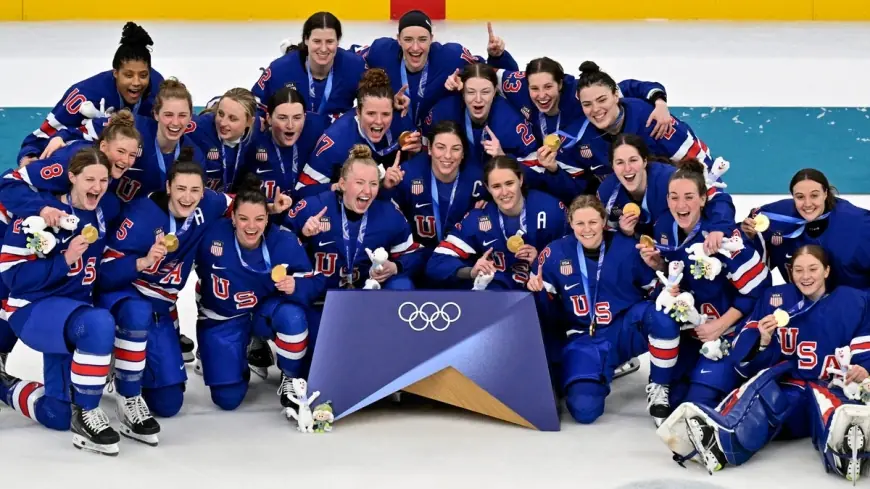
The olympic medal count continues to take shape at the 2026 Winter Games, with standings updated through the morning of Thursday, Feb. 19. The parade of podiums across Italy underscores both the day-by-day volatility of multi-sport events and the structural advantages behind long-running national dominance.
What happened and what’s new
More than 90 countries are competing across 116 medal events staged over a 16-day program at the 2026 Winter Games. A running tally of every nation finishing on the podium has been maintained, with the latest standings recorded on the morning of Thursday, Feb. 19 and data marked as accurate as of Thursday, Feb. 19, 2026, at 5: 00 p. m. ET. Coverage operations are present on the ground in Italy to follow Team USA and every medal outcome, and broadcast partners are presenting the Games across a dedicated suite of television networks and a streaming service.
Olympic Medal Count — Behind the headline
Nation-level patterns in the olympic medal count reflect deeper systems of athlete development. One country highlighted for consistent Winter Games success leads the all-time Winter Olympics medal list with more than 400 medals and is on pace to top the medal table for the third consecutive Winter Games (2018, 2022, 2026). That country has a population of roughly 5. 6 million.
Observers point to a youth sports philosophy credited with producing broad participation and elite results. Features of that approach include delaying scorekeeping until around age 13, providing participation trophies for all children, avoiding travel teams and early specialization, not staging national championships for children, and not maintaining online rankings for youth athletes. The annual cost for children participating typically does not exceed $1, 000, and the model is associated with a reported youth sports participation rate of about 93 percent, nearly 40 percentage points higher than in the United States.
Beyond winter disciplines, that nation’s broader sporting output includes high-profile performers in summer sports and other competitive fields, underscoring how a consistent youth participation base can feed success across sporting calendars.
What we still don’t know
- Exact medal totals for individual countries at the latest update are not provided here.
- Which nation leads the standings as of the Feb. 19 update is not specified in the supplied material.
- Event-by-event medal schedules and the timing of remaining medal competitions beyond the noted date are not detailed here.
- Specific medal outcomes for Team USA athletes and the identities of the medalists are not listed in the available content.
- Any mid-Games changes to broadcast windows, streaming access, or scheduling beyond the described arrangements are not confirmed.
What happens next
- Continuation of medal events through the remainder of the 16-day program: additional podiums will reshape the olympic medal count daily; trigger: completion of remaining medal events.
- Potential preservation of a multi-Games lead by the dominant country: if that country maintains podium consistency, it could finish atop the table for a third consecutive Winter Games; trigger: continued medal wins across remaining events.
- Team USA and other delegations may register further podium finishes that alter national rankings; trigger: medal wins in upcoming competitions.
- Broadcast and streaming coverage will continue to distribute live competitions, maintaining public visibility of medal outcomes; trigger: scheduled broadcasts and live streams through the Games’ conclusion.
Why it matters
Daily changes in the olympic medal count shape public attention, national narratives and the perceived success of athlete development systems. High youth participation linked with low barriers to entry, as described in the highlighted national model, suggests a pathway from broad participation to elite depth; that has implications for how countries design youth sport policy, manage costs, and prioritize long-term talent pipelines. For viewers, the structure of broadcast and streaming coverage determines how easily fans can follow medal events in real time. In the near term, medal outcomes will influence national morale, athlete recognition and selective investment decisions within sporting federations and development programs.
As the Games progress, the practical items to monitor are updated medal totals, the list of medalists as events conclude, and whether the participation-focused youth model continues to correlate with top-level results across the remainder of the schedule.